English
 Arabic
 French
 Spanish
 Portuguese
 Deutsch
 Turkish
 Dutch
Dutch
 Italiano
 Russian
 Romaian
 Portuguese (Brazil)
 Greek
Greek

Get Your Cooking Range Fixed Quickly with Dubai’s Repair Experts
Other |
2026-10-01 06:03:45
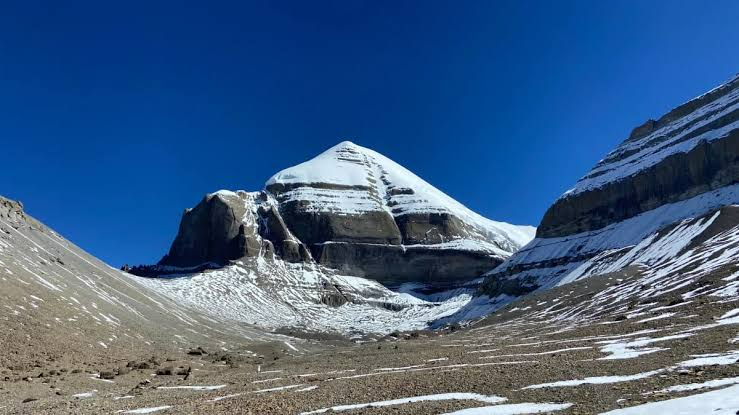
The Tibetan Plateau is known for its vast open landscapes, high mountain ranges, and distinctive cultural traditions. Among its most significant landmarks is Mount Kailash, a mountain that holds deep spiritual meaning for several religious communities. Nearby Lake Mansarovar adds to the region's importance, bringing together natural beauty, pilgrimage traditions, and a challenging high-altitude environment.
Visiting this remote part of the Himalayas involves more than reaching a particular destination. Understanding the region's cultural background, geography, and travel conditions provides a fuller picture of what makes it so distinctive.
Mount Kailash is considered sacred in Hinduism, Buddhism, Jainism, and the Bon tradition. Although the beliefs associated with the mountain differ between these traditions, it remains an important place of spiritual reflection and pilgrimage.
For many pilgrims, the journey is closely connected to faith, personal devotion, and longstanding religious customs. The practice of circumambulating the mountain, commonly known as the Kailash Parikrama or Kora, is an important part of this tradition. The route passes through high-altitude terrain, making physical preparation and an understanding of the conditions particularly important.
The mountain's cultural significance extends beyond its physical appearance. Its place in religious traditions has helped establish the surrounding region as one of the most recognizable pilgrimage destinations in the Himalayas.
The landscape surrounding Mount Kailash differs considerably from the forested valleys found in many other Himalayan destinations. Wide plains, rocky terrain, distant mountain ranges, and expansive skies define much of the scenery.
Lake Mansarovar is another prominent feature of the region. Its setting against the surrounding landscape creates a striking contrast between open water and the rugged terrain of the Tibetan Plateau. The lake also has considerable religious importance, attracting pilgrims who include it in their journeys.
Weather and visibility can change throughout the day, and temperatures may vary significantly. These conditions influence how travelers experience the landscape and reinforce the importance of preparing for a remote, high-altitude environment.
Reaching the Kailash region requires careful consideration of transportation, permits, travel duration, and border regulations. Depending on the available arrangements, journeys from Nepal may involve overland travel through the Kerung border route before continuing across the Tibetan Plateau.
The details of an itinerary can vary according to current regulations, transportation availability, and the needs of individual travelers. Some people focus primarily on the pilgrimage, while others consider broader journeys that include additional cultural or geographical destinations.
Travelers researching the region may encounter Kailash Trip Planner while exploring companies and travel arrangements associated with Mount Kailash and Lake Mansarovar. Comparing available options and checking current requirements helps travelers understand the practical considerations involved before making decisions.
It is important to confirm applicable permits, documentation, border conditions, transportation, accommodation, and other arrangements through reliable and current sources. Requirements can change, so information from an older itinerary should not automatically be treated as current.
Altitude is one of the most important considerations when planning a journey to Mount Kailash. Much of the surrounding region lies at elevations where physical activity can become more demanding because less oxygen is available.
Preparation should begin well before departure. Building general fitness gradually, choosing comfortable footwear, and packing clothing suitable for changing temperatures can help travelers manage the physical demands of the journey.
Acclimatization is also essential. Travelers should allow sufficient time for their bodies to adjust to higher elevations and understand the symptoms of altitude sickness. Headache, nausea, dizziness, and unusual fatigue can be warning signs. Severe symptoms require prompt medical attention and may mean descending to a lower altitude.
A qualified medical professional can provide advice about individual fitness for high-altitude travel. Travelers should also consider suitable insurance coverage and understand what emergency assistance may be available along their route.
The Kailash region is a place of religious significance, and visitors should approach its cultural traditions with respect. Religious sites, pilgrimage routes, and local customs may have specific expectations that travelers need to understand before visiting.
Simple practices can make a difference. Following instructions at sacred locations, avoiding disruption to religious activities, and asking permission before photographing people are important ways to show consideration.
Learning about the traditions associated with Mount Kailash can also help visitors appreciate why the destination matters to different communities. Cultural understanding allows people to look beyond the scenery and recognize the historical and spiritual connections that shape the region.
Remote mountain environments require careful attention to waste management and environmental protection. Facilities may be limited, and waste left behind can affect landscapes that are difficult to maintain or restore.
Travelers can reduce their impact by carrying their rubbish out of natural areas, following established routes, and respecting local environmental guidance. Avoiding damage to fragile surroundings and behaving responsibly near water sources are equally important.
Responsible travel also includes realistic expectations. Weather, road conditions, and local regulations may affect schedules, particularly in remote regions. Allowing flexibility in travel plans can help people respond more calmly when arrangements change.
Mount Kailash and Lake Mansarovar represent a distinctive meeting point of geography, spiritual tradition, and cultural heritage. The expansive landscapes of the Tibetan Plateau provide a remarkable setting, while the region's religious significance gives the journey meaning for pilgrims from different backgrounds.
Understanding the routes, preparing for high altitude, respecting local customs, and protecting the natural environment are all important parts of approaching this destination responsibly. With careful research and realistic expectations, travelers can develop a deeper appreciation of the region before deciding whether such a demanding journey is right for them.