English
 Arabic
 French
 Spanish
 Portuguese
 Deutsch
 Turkish
 Dutch
 Italiano
 Russian
 Romaian
 Portuguese (Brazil)
 Greek
Ready to Plan Your Corporate Event? Find the Right Venue with Black Pepper Events
Other |
2026-10-13 09:00:56
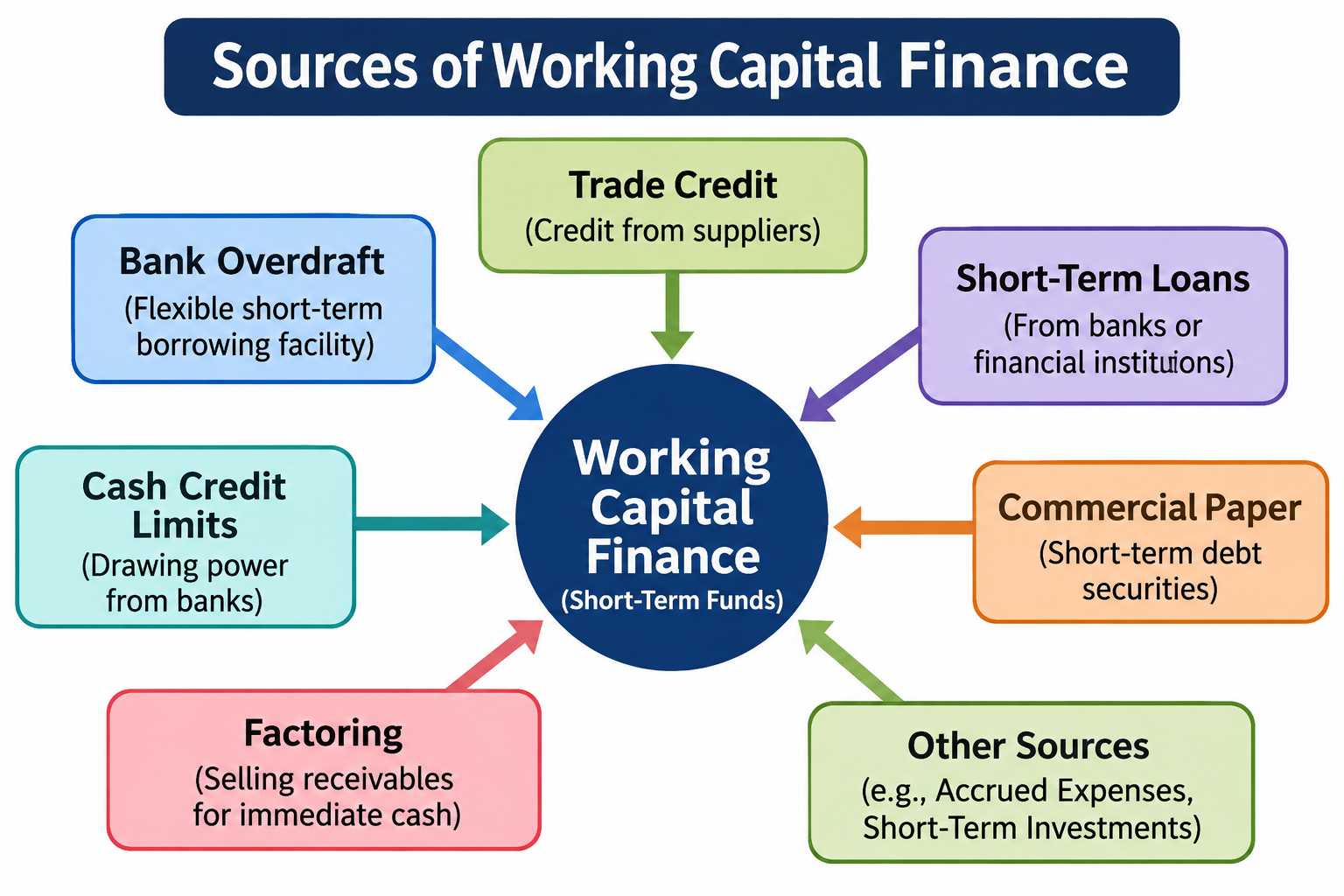
Working capital is an essential requirement for every business organisation because it helps manage daily business activities and maintain smooth operations. It refers to the funds required by a business to meet its short-term financial obligations, such as purchasing raw materials, paying salaries, maintaining inventory, paying suppliers, and meeting other operating expenses. Every business needs sufficient working capital to continue its regular activities without interruption. However, businesses sometimes face shortages of funds due to delayed customer payments, increased operating expenses, seasonal fluctuations, or business expansion. To overcome these financial difficulties, businesses depend on different sources of working capital finance. One of the important sources is customer advances.
Customer advances refer to the payments received by a business from customers before delivering goods or providing services. These advance payments help businesses arrange funds for purchasing raw materials, meeting production expenses, maintaining inventory, and managing other operating activities. Customer advances provide financial support without requiring businesses to immediately borrow money from banks or other financial institutions. Therefore, customer advances are considered an important source of working capital finance.
Customer advances are amounts received by a business from customers before the actual delivery of goods or completion of services. These payments are generally made according to an agreement between the buyer and the seller.
For example, a manufacturing company receives an advance payment of $20,000 from a customer for producing customised machinery. The company uses this amount to purchase raw materials, pay workers, and meet production expenses. After completing the manufacturing process, the company delivers the machinery to the customer according to the agreed terms.
In this way, customer advances help businesses obtain funds before completing their sales transactions. They reduce the need for immediate external financing and support daily business operations.
Customer advances are commonly used in manufacturing, construction, real estate, hospitality, wholesale, and service industries. They are particularly useful when businesses receive large orders that require significant investment before delivery.
Customer advances play an important role in helping businesses maintain adequate working capital. The following points explain their importance.
One of the major advantages of customer advances is that businesses receive money before delivering goods or services. These funds can be used immediately to meet short-term financial requirements.
Companies can use advance payments to purchase raw materials, pay employees, and meet production expenses without waiting for the completion of the sales transaction.
Businesses often depend on bank loans, overdrafts, and other financial facilities to meet their working capital requirements. However, obtaining bank finance may involve interest expenses, documentation, and approval procedures.
Customer advances provide an alternative source of funds directly from customers. This reduces the need for businesses to depend entirely on external borrowing and helps control financing costs.
Many businesses experience cash flow difficulties because they must spend money on production before receiving payments from customers.
Customer advances help overcome this problem by providing funds at the beginning of the business transaction. This improves cash flow and allows companies to manage their daily expenses more effectively.
Manufacturing companies require funds to purchase raw materials, pay workers, maintain machinery, and complete customer orders.
Customer advances provide the necessary financial support to carry out these activities. Businesses can begin production without using all their existing cash reserves.
Customer advances can reduce the financial risk associated with producing goods without receiving any payment from customers.
When customers make advance payments, it may indicate their commitment to completing the transaction. This can reduce the possibility of cancellations and help businesses plan their production activities more confidently. However, the advance does not eliminate all cancellation or refund risks.
Businesses need sufficient inventory to fulfil customer orders on time. Purchasing and maintaining inventory requires considerable financial resources.
Customer advances provide funds that businesses can use to purchase raw materials and maintain the required stock. This helps avoid inventory shortages and supports continuous production.
Customer advances can help businesses accept larger orders and expand their operations. Companies can use advance payments to arrange additional materials, hire workers, and increase production capacity.
This supports business growth without requiring an immediate increase in bank borrowing.
Advance payments are generally received as part of an agreed business arrangement. When businesses use these funds efficiently and deliver goods or services according to the agreed conditions, they can build customer confidence and strengthen long-term business relationships.
Customer advances offer several advantages to business organisations. The major advantages are explained below.
Immediate Availability of Funds: Businesses receive money before delivering goods or services, helping them meet immediate financial requirements.
No Traditional Loan Interest: Customer advances are not conventional bank loans and generally do not carry bank loan interest, although contractual costs, discounts, or other commercial terms may apply.
Better Cash Flow: Advance payments help businesses maintain sufficient cash for regular operations.
Reduced Borrowing: Companies can reduce their dependence on bank loans and other external financing facilities.
Supports Production: Advance payments provide funds for purchasing raw materials and meeting manufacturing expenses.
Better Financial Planning: Businesses can estimate available funds and plan production activities according to confirmed customer orders.
Business Expansion: Customer advances help companies accept larger orders and increase their operational capacity.
These advantages make customer advances a useful source of working capital finance for many business organisations.
Although customer advances provide several benefits, they also have certain disadvantages that businesses should consider.
Delivery Obligations: Businesses must deliver the promised goods or services according to the agreed terms and conditions.
Refund Liability: If an order is cancelled or the business fails to fulfil its obligations, it may be required to refund the advance payment.
Customer Dependence: Businesses may become dependent on advance payments, which may not always be available from every customer.
Limited Availability: Some customers may not agree to make advance payments, particularly when dealing with new or unfamiliar suppliers.
Pressure to Complete Orders: Receiving advance payments creates an obligation to complete the order within the agreed time.
Customer Dissatisfaction: Delays in delivery or poor-quality products may damage customer relationships and affect the company's reputation.
Uneven Cash Flow: Customer advances may fluctuate depending on the number and value of orders received.
Therefore, businesses should manage customer advances responsibly and ensure that they can fulfil their delivery commitments.
Customer advances have several important features that distinguish them from other sources of working capital finance.
Advance Payment: Money is received before the delivery of goods or completion of services.
Short-Term Financial Support: It provides funds that can be used to meet immediate operating requirements.
Customer-Based Financing: Funds are received directly from customers rather than financial institutions.
Contractual Arrangement: Advance payments are generally governed by agreed terms and conditions.
No Conventional Loan Interest: Customer advances are not traditional loans, although other contractual charges or commercial costs may apply.
Delivery Obligation: Businesses are responsible for fulfilling the agreed order or service.
Supports Business Operations: Advance payments help finance production, inventory purchases, and other operating expenses.
Consider a furniture manufacturing company that receives an order worth $100,000 from a customer. The customer agrees to pay 40% of the total amount in advance, which comes to $40,000.
The company receives the advance payment and uses the money to purchase wood, fabrics, accessories, and other raw materials. It also uses part of the funds to pay workers and meet manufacturing expenses.
After completing the furniture, the company delivers the order to the customer and collects the remaining payment according to the agreement.
This example explains how customer advances help businesses arrange funds before completing an order and maintain sufficient working capital.
Businesses use different sources of working capital finance to meet their short-term financial requirements. These include trade credit, bank overdrafts, short-term bank loans, cash credit facilities, commercial paper, factoring of receivables, bills discounting, and customer advances.
Trade credit allows businesses to purchase goods from suppliers and make payments later. Bank overdrafts provide additional funds within an approved borrowing limit. Short-term bank loans provide a fixed amount of money that must be repaid within an agreed period. Factoring allows businesses to receive funds by selling or assigning their outstanding receivables.
In comparison, customer advances provide funds directly from customers before goods or services are delivered. This makes them a useful financing method for businesses that receive advance orders and require money to complete production or provide services.
Customer advances are an important source of working capital finance for business organisations. They allow businesses to receive payments from customers before delivering goods or providing services. These advance payments help companies purchase raw materials, maintain inventory, pay employees, meet production expenses, and manage daily business activities.
Among the different sources of working capital finance, customer advances are particularly useful because they provide funds without requiring businesses to depend entirely on traditional bank borrowing. They improve cash flow, reduce financing pressure, support production, and encourage business expansion. However, companies must ensure timely delivery, maintain product quality, and fulfil their contractual obligations to customers.
In conclusion, customer advances play a significant role in working capital management by providing immediate financial support, improving business liquidity, and contributing to the smooth functioning and growth of business organisations.