English
 Arabic
 French
 Spanish
 Portuguese
 Deutsch
 Turkish
 Dutch
 Italiano
 Russian
 Romaian
 Portuguese (Brazil)
 Greek
Global Sciences: Peptides Suppliers Australia for Responsible Research Sourcing
Other |
2026-09-28 14:51:00
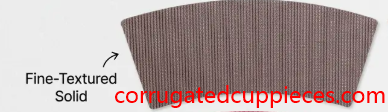
In takeaway beverage businesses, packaging influences how customers experience a drink after it leaves the counter. A hot cup needs to remain convenient to hold while customers walk, commute, or carry other belongings. Adding a Disposable Cup Sleeve for Coffee Cups creates a separate layer around the holding area, helping reduce direct contact with the heated cup surface. Although this accessory may appear simple, its material, structure, fit, and finish all affect its usefulness in everyday beverage service.
Paper selection is an important starting point. Cup sleeves are commonly produced from kraft paper, white paper, or corrugated paper constructions. Kraft paper offers a natural appearance that suits cafés interested in understated packaging, while white paper provides a clean background for colorful graphics and detailed printing. Corrugated paper introduces a shaped inner structure that creates space between the cup wall and the outer surface. This construction can support heat separation while giving the sleeve a distinctive tactile character.
The paper needs to balance stiffness and flexibility. If the material is too soft, the sleeve may lose its shape during application or handling. If it is excessively rigid for the chosen design, it may become difficult to wrap around the cup. Paper consistency also matters because variations can influence cutting, folding, bonding, and printing. Businesses should consider the complete converting process when evaluating material options rather than judging paper quality by appearance alone.
Selecting a suitable sleeve begins with the actual cup used by the beverage business. Cups can differ in their taper, wall shape, surface finish, and lid arrangement, even when they are intended for similar drinks. A sleeve that fits one cup may not sit correctly on another. Buyers should therefore provide cup samples or accurate product information when discussing a custom order. Testing the sleeve on a filled cup can help reveal whether it stays in position and provides a comfortable holding area.
The intended service environment should also influence the purchase. A busy coffee shop may prioritize quick application and consistent presentation, while a hotel or restaurant may focus more on coordinated packaging across its beverage service. Delivery businesses need to consider how sleeves behave when drinks are packed alongside food or placed in carrying bags. Buyers should also review whether they prefer flat products that staff assemble when needed or pre-glued sleeves that are ready for application.
Functional performance depends on the relationship between the sleeve's shape and its paper structure. The curved profile needs to follow the cup wall, while the joining area should hold the sleeve together during normal use. Corrugated surfaces can provide additional texture for gripping, and the spaces within the paper structure help separate the hand from the hot cup. The sleeve should not rotate or slide easily, but it should also be convenient for staff to place around the cup.
Manufacturing accuracy supports this balance. Die cutting determines the sleeve outline and the position of its curved edges, while creasing helps create predictable folding behavior. Corrugating establishes the texture and internal structure. Printing needs to align with the final shape so that logos and graphics remain properly positioned after the sleeve is formed. Bonding quality is another consideration because an inconsistent seam can affect the product's appearance and handling. These processes need to work together to produce a consistent finished accessory.
For buyers, quality evaluation should include more than checking printed samples. They can examine edge smoothness, seam appearance, material consistency, surface texture, and the way the sleeve fits an actual cup. Staff testing is also useful because employees can identify whether the product is easy to apply during busy service periods. Reviewing samples before approving a larger order helps businesses identify potential problems with fit, handling, or visual presentation.
Customer comfort is closely connected to grip and surface feel. A textured sleeve can make a cup easier to hold, especially when customers are moving between locations. The outer surface should feel comfortable rather than rough, and the sleeve should remain stable during ordinary handling. A practical design also avoids unnecessary bulk around the cup, allowing customers to hold their drinks naturally. For café employees, a sleeve that is easy to separate, position, and apply can make order preparation more efficient.
Visual presentation offers another important benefit. A sleeve provides a focused area for logos, brand colors, illustrations, promotional messages, or seasonal artwork. Kraft surfaces can support a natural, craft-oriented identity, while white backgrounds allow brighter graphic styles. Corrugated textures add visual depth even when the printed design is simple. Businesses can coordinate sleeves with takeaway cups, carrier bags, napkins, and other packaging to create a recognizable presentation across customer touchpoints.
Shanghai Xinona New Material Technology Co., Ltd. develops paper beverage packaging products, including kraft and white cup sleeves, corrugated structures, and customized printed options. Its manufacturing capabilities include corrugating, die cutting, printing, and sleeve forming, supporting different packaging requirements for cafés, beverage brands, and foodservice businesses. Buyers can discuss cup compatibility, paper selection, surface texture, artwork, and preferred supply formats when exploring a custom project. More information about the company's products and customization services is available at https://www.corrugatedcuppieces.com/product/.