English
 Arabic
 French
 Spanish
 Portuguese
 Deutsch
 Turkish
 Dutch
Dutch
 Italiano
 Russian
 Romaian
 Portuguese (Brazil)
 Greek
Greek

50 Online Community Engagement Ideas That Actually Work in 2026
Community Building & Engagement |
2026-09-27 10:30:23
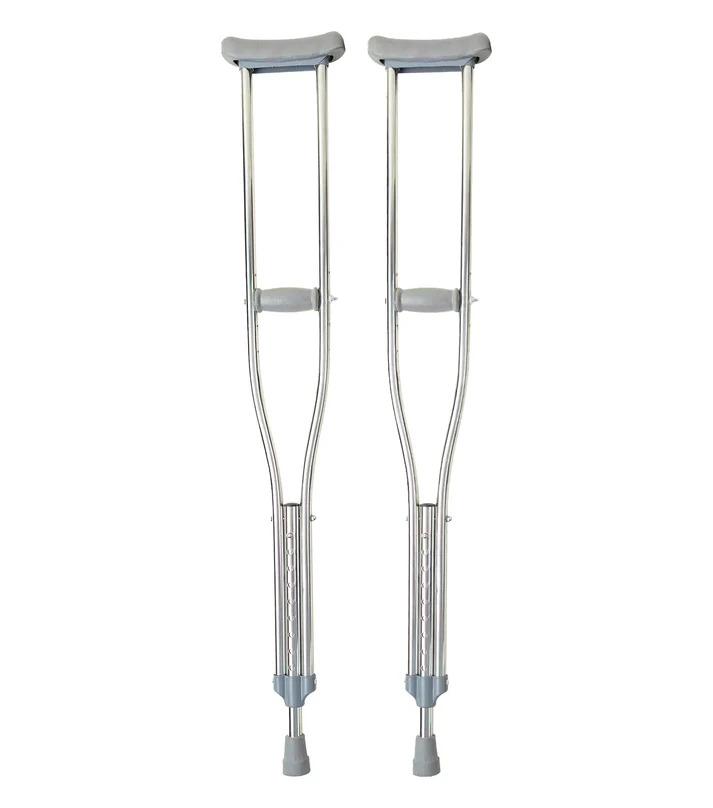
When walking becomes difficult because of an injury, surgery, or temporary mobility limitation, crutches can provide valuable assistance. But not all crutches feel the same. The right pair should provide dependable support while remaining comfortable enough for regular use.
If you are searching for the most comfortable crutches, it is important to look beyond appearance and consider factors such as fit, grip, weight, stability, and adjustability.
Crutches transfer some of your body weight through your hands and arms while helping reduce pressure on an affected leg. If they are poorly adjusted, they can contribute to discomfort in the hands, wrists, shoulders, or back.
A properly fitted pair can make everyday tasks such as walking around the house, getting into a vehicle, or moving between rooms easier.
Adjustability is essential because crutches need to match your body size. A suitable height can help you maintain better posture and control while walking.
Always follow the manufacturer's adjustment instructions. If you are unsure about positioning, a physical therapist or healthcare professional can help.
Your hands may experience considerable pressure when using crutches. Comfortable handgrips can make a noticeable difference, particularly when crutches are used throughout the day.
Look for grips that feel secure and allow you to maintain control without excessive squeezing.
Lightweight crutches are often easier to lift and reposition. This can be useful when navigating your home, climbing stairs, or getting in and out of a chair.
At the same time, the crutches should remain strong and stable enough for their intended use.
The bottom tips provide contact with the floor and can influence stability. Good-quality tips should remain firmly attached and provide appropriate traction on suitable surfaces.
Check them frequently for cracks, excessive wear, or other damage.
Depending on the type of crutches, there may be padding around the upper support, handgrips, or forearm cuffs. Appropriate padding can help improve comfort during repeated use.
However, padding cannot replace proper fitting and correct technique.
There are several crutch styles, and the most suitable option depends on your individual situation.
Underarm crutches are commonly used for temporary mobility support and recovery.
Forearm crutches use cuffs around the forearms and may be considered for longer-term mobility assistance.
Platform crutches provide additional forearm support and may be useful for people who have difficulty putting weight through their hands or wrists.
A healthcare professional can help determine which type is appropriate for your needs.
Even a well-designed pair of crutches can become uncomfortable if used incorrectly. Consider these practical tips:
Recovery can already be challenging, and uncomfortable mobility equipment can make daily routines more frustrating. A suitable pair of crutches can provide the support needed to move around while reducing unnecessary strain.
Think about how often you will use the crutches and where you will use them. Someone using crutches for several weeks may place greater importance on lightweight construction and ergonomic features than someone using them for only a few days.
SNUG360 is a home healthcare and medical support brand offering practical essentials for comfort, mobility, recovery, and everyday wellness. Its selection includes mobility support, compression wear, support braces, maternity support, grip socks, calf sleeves, and abdominal support.
The goal is to provide practical options that fit into everyday care and recovery routines.
The most comfortable crutches are those that fit correctly, provide dependable support, and suit your individual mobility needs. Adjustable height, comfortable grips, appropriate padding, manageable weight, and stable tips can all contribute to a better experience.
Before using crutches after an injury or procedure, make sure you understand how to adjust and use them correctly. When needed, ask a healthcare professional or physical therapist for guidance on fitting and walking technique.