English
 Arabic
 French
 Spanish
 Portuguese
 Deutsch
 Turkish
 Dutch
Dutch
 Italiano
 Russian
 Romaian
 Portuguese (Brazil)
 Greek
Greek

Polymer Blends & Alloys Market Forecast Signals Steady Growth Through 2033
Other |
2026-10-06 06:20:11
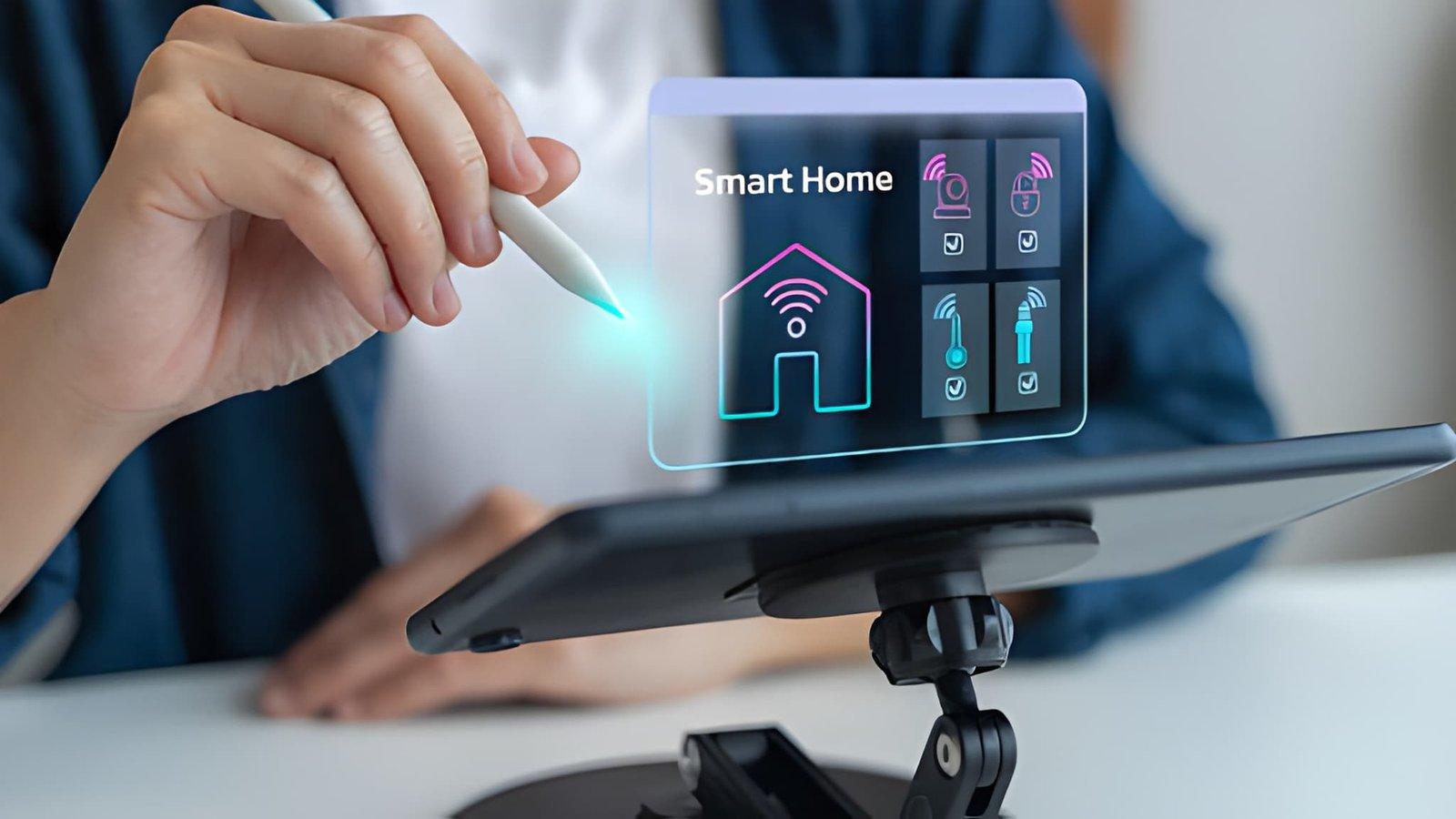
Dubai has become one of the world’s most active markets for smart homes. Villas in Emirates Hills and Arabian Ranches, apartments in Dubai Marina and Downtown, and new master-planned communities across the emirate are increasingly specified with connected lighting, climate control, security, and entertainment from the outset. Demand has drawn in a wide range of suppliers, from specialist integrators to retailers selling app-controlled gadgets. For homeowners and developers, the real question is not whether to automate, but who can deliver a system that stays reliable, secure, and easy to live with.
Automation is often confused with a collection of smart devices. The difference lies in coordination. A true Smart Home Automation Company in Dubai links separate subsystems so they respond to one another and to the people in the home. Typical scope includes:
Lighting control: Scenes, dimming, scheduling, and presence-based behaviour.
Climate management: Integration with air conditioning, so rooms cool when occupied and ease off when empty, an important efficiency gain in a market where cooling dominates energy use.
Curtains, blinds, and shading: Automated to manage heat gain and privacy.
Security and surveillance: IP cameras, door locks, video intercoms, and alarm sensors.
Audio-visual and entertainment: Multi-room audio, home cinema, and unified control.
Energy and water monitoring: Visibility into consumption and automated reductions.
The value comes from linking these. Arriving home can unlock the door, raise the lights, set the temperature, and disarm the alarm in one action.
The architecture a company chooses shapes how the home performs over time.
Wired systems, typically built on structured cabling and dedicated controllers, offer strong reliability and are well suited to new builds and major renovations, where cable can be installed before walls are closed. Wireless systems using protocols such as Zigbee, Z-Wave, Thread, or Wi-Fi are faster to deploy and suit existing properties where opening walls is impractical. Many professional projects use a hybrid: wired backbone for critical functions, wireless for flexible add-ons.
Open standards matter too. The Matter standard has gained industry backing as a way to improve compatibility between brands, though real-world support still varies by device and ecosystem. A capable integrator explains which products are chosen, why, and what happens if a manufacturer changes direction.
Smart homes depend on the home network. Poor Wi-Fi coverage, unmanaged switches, and overloaded routers are among the most common causes of unreliable automation. A professional company designs the network deliberately: wired access points placed for full coverage, adequate PoE capacity where cameras and devices need power, and separate network segments so that smart devices do not share space with personal laptops and phones.
Power resilience also deserves attention. Uninterruptible power supplies for the network core and controllers keep essential functions running through short outages, and sensible design ensures the home remains usable by hand if the internet drops.
Every connected device is a potential entry point. Responsible providers change default credentials, apply current firmware, disable unneeded services, and provide remote access through encrypted channels rather than open ports. Multi-factor authentication should be enabled wherever supported.
Privacy is equally important. Cameras and sensors collect information about household routines. In the UAE, federal data protection law shapes how personal data is handled, and security systems in many premises fall under emirate-level regulation, such as requirements overseen by Dubai’s Security Industry Regulatory Agency (SIRA) for certain installations. Requirements differ by property and change over time, so confirm current obligations with your provider before work begins.
Local conditions influence both design and equipment. Heat and dust demand properly rated outdoor devices, sealed enclosures, and suitable cooling for equipment racks. Large glazed facades make automated shading valuable. Villas often involve outdoor entertaining areas, pool equipment, irrigation, and landscape lighting that benefit from integration. Many households also want control interfaces in both English and Arabic and simple operation for family members, staff, and guests, not just the person who set the system up.
A structured approach reduces risk:
Look for a design process. A consultation, a room-by-room needs analysis, and a documented scope should come before pricing.
Ask for comparable projects and, where possible, speak with existing clients.
Check product choices. Reputable companies can explain why they specified particular brands and how upgrades will work.
Insist on a written scope listing devices, cabling, controllers, and what is and is not included.
Review support terms. Response times, warranty, remote diagnostics, and software updates should be clear.
Confirm ownership. You should hold administrator credentials and receive complete handover documentation.
Be wary of pure price comparison. Low quotes often leave out network upgrades, programming, or commissioning.
Smart Living Technology approaches projects along these lines, combining home automation with security, surveillance, and access control so the entire system is designed as one rather than assembled from parts.
Selecting a smart home automation company in Dubai is a long-term decision. The best providers design around how people actually live, build a robust network foundation, protect privacy and security, respect local regulation, and remain available after handover. As energy management, voice control, and open standards continue to mature, homes engineered with flexibility will remain current well beyond the end of 2027. For homeowners and developers seeking that standard, Smart Living Technology delivers integrated automation, security, and surveillance solutions built for the demands of Dubai.
Costs vary widely with property size, the number of systems integrated, and product tier. A basic setup covering lighting and a few devices costs far less than a full villa with climate, shading, audio-visual, and security integration. A professional company will provide a scoped quotation after a consultation.
Wireless systems allow lighting, thermostats, smart locks, cameras, and shading motors to be added with limited disruption. The extent depends on existing wiring, wall construction, and network coverage, which an installer will assess on site.
Automation depends on constant communication between devices. Weak coverage or congested networks cause delays and dropped connections. Professional design provides reliable coverage, adequate power for devices, and segmentation that improves security.
Security depends on setup. Use unique strong passwords, keep firmware updated, enable multi-factor authentication, and avoid exposing devices directly to the internet. Ask your installer to document the security measures at handover.
A well-designed system keeps core functions running locally, including lighting scenes, climate control, and manual switches, even without an internet connection. Remote access and cloud-based features resume once connectivity returns.