English
 Arabic
 French
 Spanish
 Portuguese
 Deutsch
 Turkish
 Dutch
Dutch
 Italiano
 Russian
 Romaian
 Portuguese (Brazil)
 Greek
Greek

Grow Fast with YRUZ Offers, Advertising and Free Promotion Tools
Digital Marketing & SEO Strategies |
2026-09-26 02:48:03
Yes, walking supports bone strength, but its effect is modest. The relationship between walking and bone density is best described as protective: regular walking helps slow age-related bone loss, especially in the hips and legs. It rarely produces large gains on its own. For the strongest bones, walking works best as part of a routine that also includes strength training, good nutrition, and balance work.
This guide explains how walking affects your bones, how much you need, who benefits most, and what to add if you want better results.
Bone is living tissue. Throughout your life, specialized cells break down old bone and build new bone in a continuous process called remodeling.
Mechanical stress drives this process. When you put force through a bone, through impact or muscle pull, bone cells respond by laying down more mineral and strengthening the structure. This is why astronauts lose bone in low gravity and why people on long bed rest do too.
Age tilts the balance. Peak bone mass is typically reached in early adulthood, and after that, breakdown gradually outpaces rebuilding. In women, the drop in estrogen around menopause speeds up this loss. That makes walking and bone health a topic worth taking seriously at any age, and especially after 40.
Research suggests walking can modestly improve or, more often, maintain bone mineral density. Reviews of studies in postmenopausal women have found small positive effects of walking on bone density at the hip and lower spine, while other studies show walking mainly slows loss rather than creating new bone.
The reasons are straightforward:
Walking is relatively low-force. Bones respond most strongly to higher loads and unfamiliar, varied impact. Steady walking on flat ground is gentle by comparison.
The benefit is site-specific. Walking loads the legs, hips, and lower spine, so those areas benefit most. Your arms, wrists, and upper spine get little stimulus.
Maintenance counts. Because bone loss is the default as we age, keeping the density you have is a meaningful win.
So if you are asking whether walking builds bone density, the honest answer is that it helps preserve it and may add small gains, particularly if you were previously sedentary.
Exercise is “weight-bearing” when you move against gravity while staying on your feet. Walking qualifies. Swimming and cycling, by contrast, are excellent for the heart but put less load on the skeleton.
This is why walking is often recommended as a low-impact exercise for bone density. Low-impact does not mean no benefit. It means lower joint stress, which makes walking accessible to people with arthritis, older adults, and those new to exercise.
Other weight-bearing activities that stress bone include:
Hiking on uneven terrain
Stair climbing
Dancing
Tennis and other racquet sports
Low-impact aerobics
There is no single magic number, but general guidance from bone health organizations points to about 30 minutes of weight-bearing activity on most days of the week. You can split that into shorter sessions, such as three 10-minute walks.
Research on exactly how many steps protect bone is limited. Higher daily step counts are associated with better overall health, and aiming for a consistent daily habit, such as 7,000 or more steps, is a reasonable goal. Treat it as a general health target rather than a bone-specific prescription.
The benefits of brisk walking for bones tend to exceed those of a slow stroll, because a faster pace increases the ground force through your legs. A useful test: you should be able to talk but not sing.
Add hills or inclines.
Use interval walking, alternating two minutes fast with two minutes easy.
Walk on varied surfaces such as trails.
Take longer strides and swing your arms purposefully.
Wear a weighted vest only after checking with a healthcare provider, especially if you have osteoporosis.
For most people, walking alone is not enough to maximize bone strength. It is a great foundation, but bones respond best to higher loads than walking provides.
Here is how common exercise types compare:
|
Exercise type |
Bone-loading intensity |
Best for |
Limitation |
|
Walking |
Low to moderate |
Maintaining hip and leg bone, accessibility |
Modest effect, limited upper-body benefit |
|
Strength training |
Moderate to high |
Building bone at hips, spine, and arms |
Needs proper technique and progression |
|
High-impact exercise, such as jogging and jumping |
High |
Stimulating bone growth |
Not suitable for everyone, especially with osteoporosis |
|
Swimming and cycling |
Low |
Cardiovascular fitness |
Minimal bone loading |
When comparing walking vs. strength training for bones, strength training generally has the stronger evidence for improving density, because muscles pulling on bone create powerful loading. The best approach is a combination: walk regularly and lift or use resistance two to three times a week.
For people at risk of osteoporosis, walking is a safe, practical starting point and is commonly included in prevention advice. It helps preserve bone, strengthens the muscles that support your skeleton, and improves balance. It should be paired with calcium and vitamin D adequacy and, where appropriate, resistance training.
If you have already been diagnosed with osteoporosis, talk to your doctor before starting a new program. Walking is usually encouraged, but activities involving twisting, heavy spinal loading, or fall risk may need to be modified.
Osteopenia means bone density is lower than normal but not yet low enough to be called osteoporosis. This stage is an ideal time to act. Regular walking, combined with strength training and good nutrition, can help slow progression.
Bone loss speeds up in the years around menopause because of falling estrogen. Walking will not stop this on its own, but studies in postmenopausal women show it can help reduce the rate of loss, particularly when combined with resistance exercise. Set realistic expectations: the goal is to slow decline and protect function.
Fractures depend on two things: how strong your bones are and how likely you are to fall. Walking helps on both fronts. It supports leg strength, coordination, and balance, all of which reduce fall risk. Even if walking only modestly changes bone density, it can meaningfully lower your chance of a fall-related fracture.
To go beyond what walking alone can do, add:
Resistance training: Squats, lunges, deadlifts, rows, and overhead presses, performed two to three times a week with gradually increasing weight.
Impact activities: Jogging, stair running, or jumping, if your doctor confirms they are safe for you.
Balance and flexibility work: Tai chi, yoga while avoiding extreme spinal flexion if you have low bone density, and simple balance drills to reduce fall risk.
Exercise is one piece of the picture. To improve bone density naturally, also consider:
Calcium: Get it mainly from food such as dairy, fortified plant milks, leafy greens, and canned fish with bones.
Vitamin D: Needed for calcium absorption. Sources include sunlight, fatty fish, fortified foods, and supplements if your levels are low.
Protein: Adequate intake supports both bone and muscle.
Lifestyle: Avoid smoking, limit alcohol, and maintain a healthy body weight. Being significantly underweight raises bone loss risk.
Sleep: Consistently poor sleep is linked to poorer overall health outcomes, including bone.
Ask an orthopedic surgeon in karachi before starting supplements, since needs vary and excess calcium is not harmless.
Use this as a starting template and adjust to your fitness level.
20 minutes of walking, four to five days a week at a comfortable pace.
One day of gentle bodyweight exercises, such as sit-to-stands and wall push-ups.
30 minutes of brisk walking, five days a week.
Include one to two days with hills or intervals.
Two days of resistance training.
40 to 45 minutes of brisk or hilly walking, five days a week.
Two to three days of progressive resistance training.
One day of balance work such as tai chi.
Wear supportive, cushioned shoes.
Choose even surfaces if balance is a concern.
Increase duration or intensity gradually.
Stop and seek advice if you feel sharp pain.
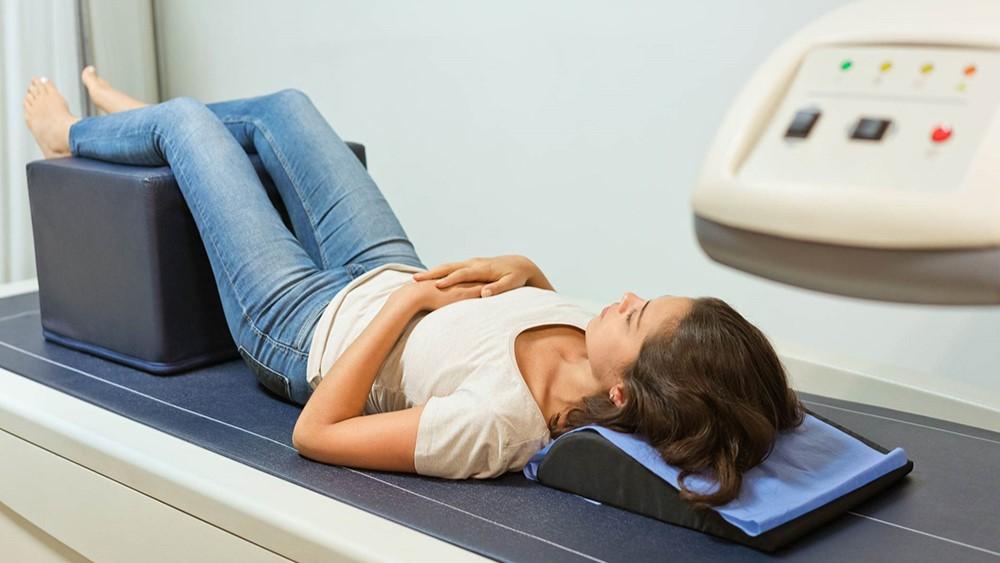
If you are over 50, postmenopausal, have risk factors such as a family history of osteoporosis, previous fractures, long-term steroid use, or a small frame, ask about a bone density (DEXA) scan. It is the standard test for measuring bone density.
The link between walking and bone density is real but modest. Walking helps maintain bone, strengthens supporting muscles, and lowers fall risk, and it is one of the easiest habits to start and keep. For the best results, pair it with resistance training, balance work, and adequate calcium, vitamin D, and protein. If you are at higher risk of bone loss, talk to a healthcare provider about testing and a plan tailored to you.
Walking can modestly increase bone density, particularly at the hip and lower spine, and is especially effective at slowing bone loss. The effect is smaller than that of resistance or high-impact exercise.
No exact bone-specific step target is established. A consistent daily habit of around 7,000 or more steps, with some brisk walking, is a sensible goal for overall health, including bone health.
Not usually. Strength training generally has stronger evidence for improving bone density. Walking is easier to start and sustain, so the two work best together.
Walking alone is unlikely to reverse osteoporosis. It can help prevent further loss and reduce fall risk, but treatment often also involves nutrition, strength training, and sometimes medication. Follow your doctor’s guidance.
Generally yes. A faster pace and varied terrain increase the forces through your bones, which gives a stronger bone-building signal than slow, casual walking.