English
 Arabic
 French
 Spanish
 Portuguese
 Deutsch
 Turkish
 Dutch
Dutch
 Italiano
 Russian
 Romaian
 Portuguese (Brazil)
 Greek
Greek

Ridgeview Landscape: Elite Landscapers in Mansfield
Home |
2026-09-28 18:52:51
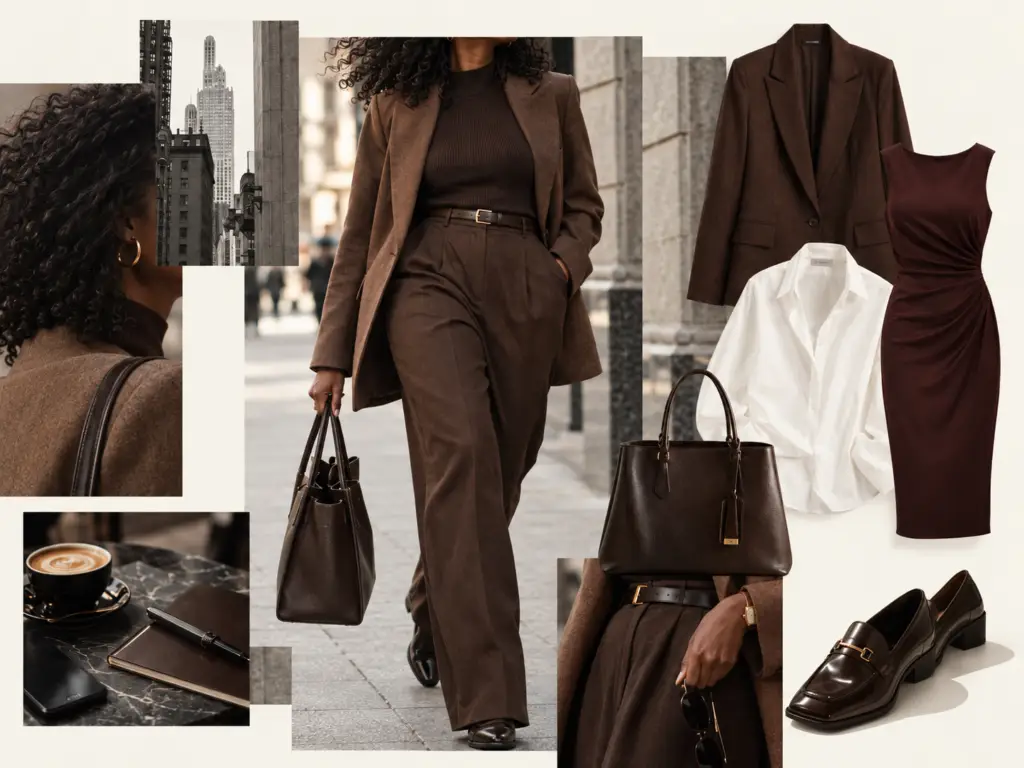
Building a work wardrobe can feel overwhelming when you are unsure which pieces to buy, how much to spend, or what actually qualifies as business casual. A closet full of clothes does not always make getting dressed easier, especially when many items do not coordinate with one another. A business casual capsule wardrobe offers a practical solution by focusing on versatile clothing that works together across different outfits and occasions. Instead of chasing every trend, you can build a reliable collection of professional essentials that reflect your personal style and workplace expectations. With the right checklist, beginners can create a polished wardrobe gradually without unnecessary spending.
A business casual capsule wardrobe is a small, thoughtfully planned collection of clothing that combines professional pieces with comfortable everyday styles. It typically includes items such as tailored trousers, blouses, button-down shirts, knit tops, cardigans, blazers, and suitable shoes. The goal is to choose pieces that can be mixed and matched, allowing you to create several outfits without needing a large closet. Neutral colors often make coordination easier, while a few accent colors or patterns can add personality. Your final selection should reflect your workplace dress code, daily responsibilities, climate, and individual preferences.
For beginners, the biggest advantage is simplicity. When most of your clothing works together, you spend less time deciding what to wear and are less likely to purchase items you rarely use. You can also identify wardrobe gaps more easily because every purchase has a clear purpose. For example, if you already own several suitable tops but lack comfortable work trousers, you can prioritize trousers instead of buying another blouse. This approach makes your wardrobe more functional while helping you manage your clothing budget with greater confidence.
Before shopping, review the clothing you already own and compare it with the checklist below. These recommendations provide a starting point rather than a strict rule, so adjust the quantities to suit your schedule, laundry routine, and workplace requirements. If you work in the office five days a week, you may need more tops than someone who works remotely several days a week. Choose quality and versatility where possible, but remember that you do not need expensive designer clothing to look professional. Begin with the essentials and add pieces gradually as you discover what works best for you.
Tops and shirts: Aim for three to five versatile tops, including a basic knit top, a blouse, and a button-down shirt. White, black, navy, beige, and other coordinating colors can make it easier to combine these pieces with different bottoms. Add one patterned or brightly colored top if you want more variety. Choose fabrics that feel comfortable throughout the day and are reasonably easy to care for. Make sure each top fits well and works with at least two or three other items in your wardrobe.
Bottoms: Start with two pairs of work-appropriate trousers in coordinating colors, such as black and navy or gray and beige. Add a skirt or another pair of trousers if it suits your preferences and workplace dress code. Dark, well-fitting jeans may also be appropriate in offices with a relaxed business casual policy. Pay attention to comfort when sitting, walking, and moving throughout the day. Before buying new bottoms, check whether your existing clothing can already serve these purposes.
Layers: Include one blazer, cardigan, or lightweight jacket that works with several outfits. A blazer can make a simple top and trousers look more structured, while a cardigan offers a comfortable option for cooler offices. If your climate changes significantly throughout the year, consider adding seasonal layers as needed. Look for colors that coordinate with most of your tops and bottoms rather than choosing a layer that only works with one outfit. You can expand this category later once your essential pieces are in place.
Dresses and one-piece outfits: If you enjoy wearing dresses, consider adding one or two versatile options that can work for regular office days and professional events. A simple dress can be styled with a cardigan, blazer, belt, or different shoes to create several looks. Choose a length, fit, and fabric that suit your comfort and workplace expectations. If dresses are not part of your personal style, you can skip this category entirely. A successful capsule wardrobe should support your preferences rather than require you to wear clothing you do not enjoy.
Shoes: Begin with one or two comfortable pairs that suit your daily activities. Depending on your preferences, these might include loafers, flats, low heels, ankle boots, or clean, understated sneakers where permitted. Consider how much walking you do during your commute and workday before choosing a style. Neutral shoes can coordinate with more outfits and reduce the need to purchase multiple pairs. Comfort, appropriate construction, and workplace suitability should matter more than following a particular trend.
Accessories: Keep accessories simple and useful at first. A belt, everyday bag, understated jewelry, or scarf can add variety without requiring additional clothing purchases. Select items that complement the colors and styles you already own. You do not need a separate accessory for every outfit; a few versatile options are often enough. Before purchasing anything new, experiment with the accessories already in your closet to see how they change the appearance of your favorite combinations.
A consistent color palette is one of the easiest ways to make an office capsule wardrobe work. Start with two or three neutral shades that you enjoy wearing and that coordinate with your existing clothes. Black, navy, gray, cream, tan, and white are common choices, but there is no single correct palette for everyone. If you prefer earthy colors or softer shades, use those as your foundation instead. The most important thing is that your tops, bottoms, and layers can be combined without requiring a separate purchase for every outfit.
Once you have your foundation, add one or two accent colors to make your wardrobe feel personal. For example, a burgundy blouse can work with navy trousers, black trousers, or a neutral skirt. A muted green cardigan may complement cream tops and dark bottoms. Small patterns, such as stripes or subtle checks, can also add variety while remaining easy to coordinate. Before buying a new piece, imagine at least three outfits you could create with it. This simple test helps prevent impulse purchases that look attractive on their own but are difficult to wear.
You do not have to purchase everything at once. Start by setting a realistic budget based on your financial situation, then divide your shopping list into essential, useful, and optional items. Focus first on clothing gaps that affect your ability to put together suitable work outfits. If you already own comfortable trousers and shoes, spend your budget on the pieces you genuinely need rather than replacing items that are still in good condition. Building gradually gives you time to discover your preferences and reduces the risk of spending money on clothing you will rarely wear.
Secondhand stores, consignment shops, clothing swaps, and clearance sales can be useful ways to find affordable professional clothing. When shopping, inspect fabric condition, seams, buttons, zippers, and any signs of damage. Try items on whenever possible and check their comfort while sitting and moving. Do not buy something simply because the discount is large; it should fit your needs and coordinate with your wardrobe. A reasonably priced garment that you wear regularly is usually a better purchase than a cheaper item that stays unworn in your closet.
You can also save money by caring for your clothes properly. Follow garment care instructions, store items appropriately, and address small repairs before they become larger problems. Removing lint, replacing a loose button, or pressing a wrinkled shirt can help your clothing look more polished without additional shopping. Review your collection every few months and identify which items you wear most often. Over time, this information will help you make more informed purchasing decisions and avoid spending money on pieces that do not fit your routine.
Once you have your essentials, use them to create a simple weekly outfit plan. You do not need a completely different outfit for every day; changing the combinations of your existing pieces can provide enough variety. For example, wear tailored trousers with a button-down shirt on Monday, pair the same trousers with a knit top on Tuesday, and style a blouse with a skirt on Wednesday. A cardigan or blazer can add another layer when the weather changes or your schedule includes a more formal meeting. Planning ahead makes getting ready easier and helps you use your wardrobe more efficiently.
Consider your calendar when selecting outfits. An important presentation or client meeting may call for a blazer and tailored trousers, while a regular office day might suit a comfortable blouse and cardigan. If your workplace allows casual Fridays, dark jeans and a polished top may be appropriate. Check your organization's dress code if you are unsure about specific items, because business casual expectations differ between workplaces. Keeping a few reliable outfit combinations ready can reduce morning stress and help you feel prepared for different professional situations.
One common mistake is buying too many items before understanding what you actually need. It is easy to become excited about creating a new wardrobe and purchase several similar tops or trousers that serve the same purpose. Another mistake is choosing clothing based only on current trends instead of considering fit, comfort, and versatility. Before purchasing anything, ask whether it coordinates with your existing pieces and suits your work environment. Taking time to evaluate each item can help you avoid unnecessary spending and create a more useful collection.
Another issue is treating a capsule wardrobe as a rigid set of rules. You do not need a specific number of garments, and you do not have to wear neutral colors if they do not suit your style. Some people need more layers because of their climate, while others need practical shoes for walking or additional tops because they exercise during lunch breaks. Your wardrobe should adapt to your actual lifestyle. Make changes whenever your job, schedule, budget, or personal preferences change, and do not feel pressured to maintain a collection that no longer works for you.
Creating a business casual capsule wardrobe becomes much easier when you begin with a clear checklist and focus on clothing that works together. Start with versatile tops, comfortable bottoms, a useful layer, suitable shoes, and a few accessories that reflect your personal style. Choose coordinating colors, shop with a realistic budget, and add new pieces only when they fill a genuine need. By planning outfits in advance and caring for your clothing, you can build an office capsule wardrobe that supports your professional life without overwhelming your closet or finances. The best capsule wardrobe is not the largest or most expensive one; it is the collection that makes getting dressed easier, feels comfortable, and helps you show up confidently every day.