English
 Arabic
 French
 Spanish
 Portuguese
 Deutsch
 Turkish
 Dutch
Dutch
 Italiano
 Russian
 Romaian
 Portuguese (Brazil)
 Greek
Greek

Cohort Courses: How to Price and Fill $1,000 to $5,000 Programs
Creator Monetization & Revenue |
2026-10-02 05:09:58
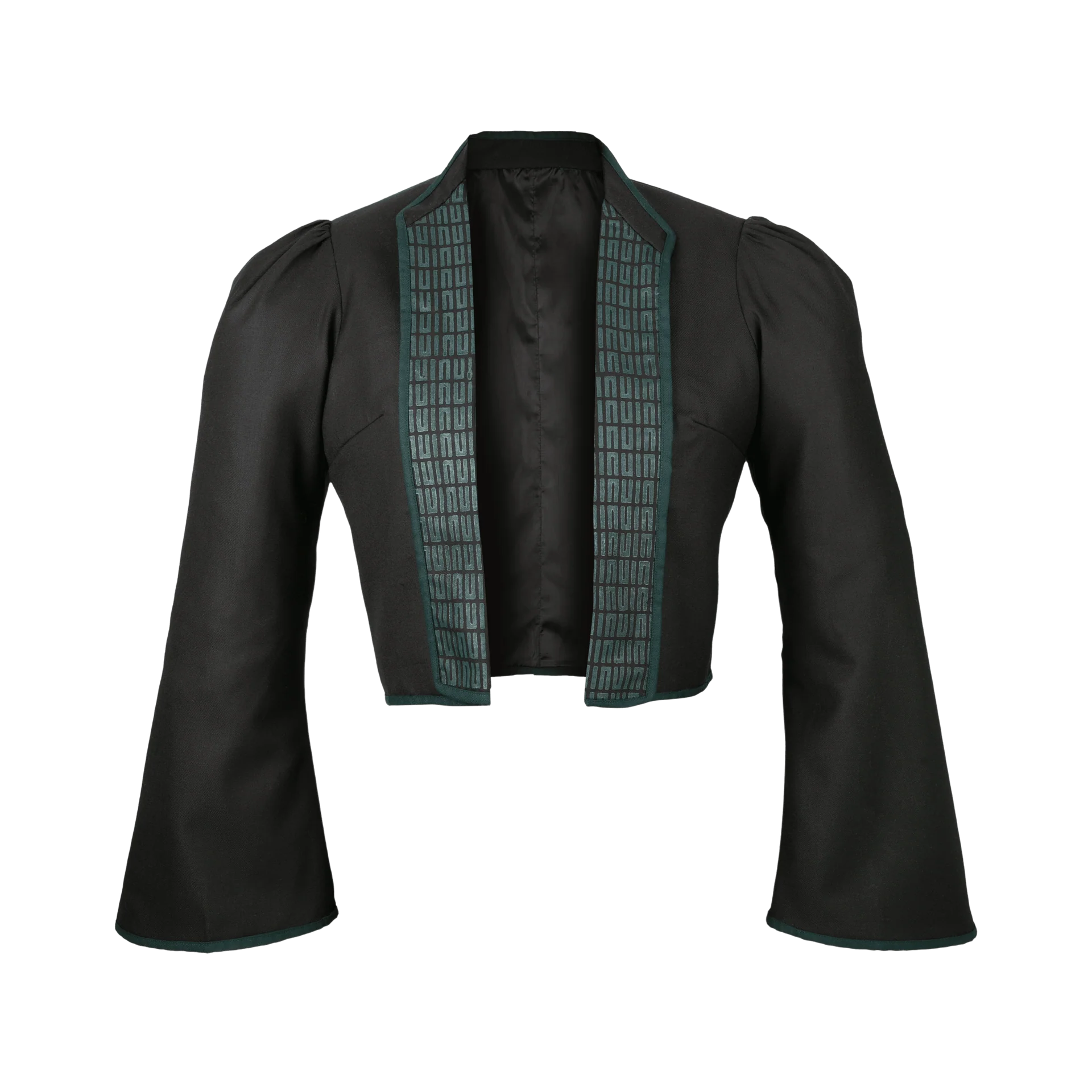
A blazer is one of the most versatile pieces of clothing in a modern wardrobe. It can instantly make an outfit look polished, add structure to casual clothing, and create an elegant appearance without requiring a complete change of wardrobe. Whether you are dressing for a business meeting, a casual outing, a formal dinner, or a special event, the right blazer can help you achieve a balanced and stylish look.
The key to styling a blazer successfully is understanding how to combine it with different clothing items, footwear, accessories, and colors. A single blazer can create several distinct outfits when paired thoughtfully. With brands like Siddiqi World offering contemporary clothing options, building a wardrobe that balances comfort, sophistication, and versatility becomes easier.
Blazers are a natural choice for professional environments because they add structure and refinement to an outfit. Whether you work in a corporate office, attend a client meeting, or participate in a professional networking event, a well-fitted blazer can help you present yourself confidently.
For a traditional business look, pair a tailored blazer with matching trousers, a crisp button-down shirt, and polished dress shoes. Neutral colors such as navy, black, grey, and beige are excellent choices because they are easy to coordinate with other wardrobe essentials.
If your workplace has a smart-casual dress code, you can combine a blazer with tailored trousers and a simple blouse or lightweight knit top. Minimal accessories and clean footwear will keep the outfit professional without making it appear overly formal.
Pay particular attention to fit. The shoulders should sit comfortably, the sleeves should have an appropriate length, and the blazer should allow natural movement. A properly fitted piece creates a cleaner silhouette and makes even a simple outfit look more considered.
A blazer does not have to be reserved for offices or formal occasions. When styled with everyday essentials, it can create an effortless outfit suitable for coffee dates, shopping trips, weekend lunches, and informal gatherings.
One of the easiest combinations is a blazer worn over a plain T-shirt with straight-leg jeans. White, black, and neutral T-shirts work particularly well because they complement a wide range of blazer colors. Complete the look with white sneakers, loafers, or ankle boots, depending on the season and your personal style.
For a more relaxed appearance, choose a slightly oversized blazer rather than a tightly fitted design. The extra room creates a contemporary silhouette and allows you to layer comfortably.
Accessories should remain simple. A crossbody bag, understated jewelry, or a classic watch can provide the finishing touch without distracting from the overall outfit.
The goal is to balance the structured appearance of the blazer with casual clothing. This contrast makes the outfit look intentional while keeping it comfortable enough for everyday activities.
Evening occasions often call for outfits that feel more refined than everyday clothing. A blazer can provide that sophistication without requiring an elaborate ensemble.
For dinner parties, evening celebrations, or social events, consider a black, charcoal, or deep navy blazer paired with tailored trousers and a sleek top. Satin, silk-inspired, or other smooth-textured fabrics can introduce subtle elegance, while a fitted top helps maintain a balanced silhouette.
For a more contemporary approach, experiment with tonal dressing. Combining different shades of the same color, such as beige with cream or charcoal with black, creates visual depth while keeping the outfit cohesive.
Footwear also influences the final appearance. Heeled boots, elegant pumps, or polished loafers can complement an evening blazer outfit. A structured handbag and delicate jewelry may add sophistication without overwhelming the look.
If the occasion is semi-formal, a blazer can also be layered over a simple dress. This combination works particularly well when the dress has a clean silhouette and the blazer provides enough contrast to define the overall outfit.
Formal occasions require careful attention to fabric, fit, color coordination, and overall presentation. Weddings, formal dinners, award ceremonies, and important celebrations are all opportunities to wear a blazer as part of a polished ensemble.
For a coordinated appearance, select a blazer and trousers in complementary or matching shades. Black, navy, and deep grey are dependable options, while lighter neutrals may be suitable for daytime events and warmer seasons.
The material matters just as much as the color. Structured fabrics generally create a sharper appearance, while textured materials can introduce personality without sacrificing sophistication.
Avoid combining too many competing patterns. If your blazer features a noticeable check or other design, keep the remaining pieces relatively simple. Conversely, a plain blazer provides more freedom to experiment with patterned shirts, pocket squares, or subtle accessories.
It is also important to distinguish between a blazer and a suit jacket. Although the terms are sometimes used interchangeably, a suit jacket is generally designed to be worn with matching trousers, whereas a blazer is often intended for combinations with separate garments. For strict formal dress codes, check whether a coordinated suit or a particular level of formality is expected.
A versatile wardrobe should work throughout the year, and choosing the right blazer for each season helps maintain both comfort and style.
During spring and summer, lightweight fabrics such as linen blends and breathable cotton can make layering more comfortable. Light beige, cream, soft blue, and pastel shades complement the brighter atmosphere of these seasons. Pair a lightweight blazer with a breathable shirt, tailored trousers, or a simple dress.
In autumn and winter, consider wool blends, heavier fabrics, and deeper colors such as burgundy, olive, charcoal, and dark brown. These shades work well with knitted tops, turtlenecks, long-sleeved shirts, and structured outerwear.
Layering requires a little planning. A blazer should fit comfortably over the clothing you intend to wear underneath without pulling across the shoulders or restricting your arms. If you prefer thicker winter layers, consider a slightly roomier cut.
Seasonal styling is not only about warmth. Fabric weight, texture, and color all influence how appropriate an outfit feels for a particular setting.
Color coordination can transform the appearance of a blazer and help you create more outfits from fewer clothing items. Neutral shades are a practical starting point because they work with a wide variety of colors and patterns.
A navy blazer pairs naturally with white, light blue, grey, and beige. A black blazer offers a sharper contrast with lighter garments, while a beige blazer can soften an outfit and complement earthy tones.
Once you are comfortable with neutrals, introduce color through a blazer in olive, burgundy, or muted blue. Keep the rest of the outfit relatively understated to allow the blazer to become the focal point.
Texture is equally important. Combining a smooth blazer with denim, knitwear, cotton, or a subtly textured skirt adds dimension to an outfit. However, too many competing textures can make the overall appearance feel cluttered.
Experimenting with these combinations allows you to develop a personal style while making practical use of your existing wardrobe.
Even an expensive blazer may look unflattering if the fit is incorrect. Before purchasing one, check the shoulder seams, sleeve length, body shape, and overall comfort. The garment should follow your natural proportions without feeling restrictive.
Different cuts serve different styling purposes. A fitted blazer creates a more defined silhouette, while a relaxed or oversized style offers a contemporary appearance. Cropped designs can complement high-waisted trousers and skirts, whereas longer blazers can create a streamlined look.
Accessories should support the outfit rather than compete with it. Belts can define the waist, watches provide a classic finishing detail, and handbags can reinforce either a formal or casual aesthetic. Footwear should also match the occasion, ranging from sneakers for relaxed outings to dress shoes for formal events.
Most importantly, choose pieces that reflect your lifestyle. A blazer that fits comfortably and works with several items you already own will generally provide more value than one purchased solely because it follows a temporary trend.
Styling a blazer for different occasions is about understanding how fit, fabric, color, and accessories work together. From professional meetings and casual outings to evening celebrations and formal gatherings, a thoughtfully selected blazer can adapt to many situations. By experimenting with different combinations and choosing versatile wardrobe essentials, you can create outfits that feel polished without sacrificing comfort or personal expression.
Siddiqi World offers a contemporary approach to clothing for individuals who appreciate adaptable styling and modern design. When exploring options for your wardrobe, consider how a versatile blazer can complement your existing trousers, skirts, shirts, and accessories. Choosing the Versatility Blazer by Siddiqi in US can be a practical way to explore different outfit combinations while building a wardrobe that supports your personal style across a variety of occasions.