English
 Arabic
 French
 Spanish
 Portuguese
 Deutsch
 Turkish
 Dutch
Dutch
 Italiano
 Russian
 Romaian
 Portuguese (Brazil)
 Greek
Greek

Is Cyprus Good for Pakistani Students? Visa, Jobs & Benefits
Online Education |
2026-10-15 06:24:05
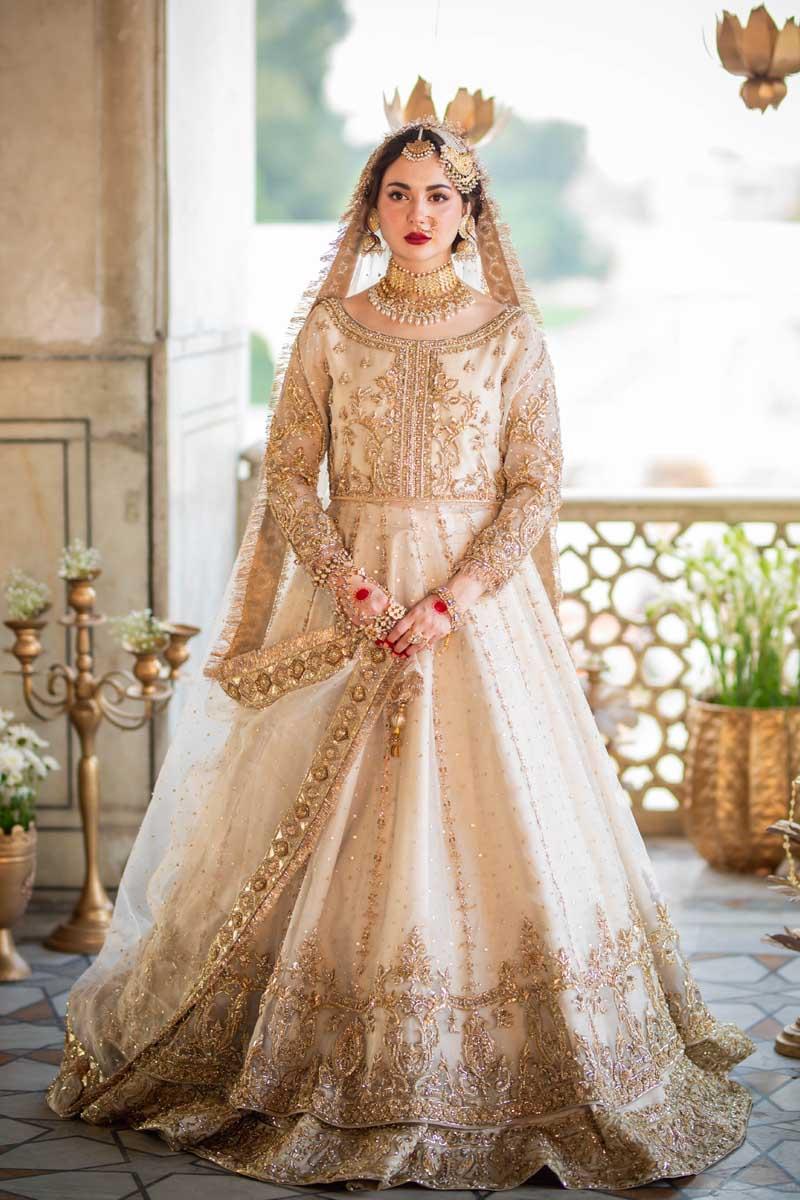
Formal Pakistani clothing is known for its elegant designs, intricate embroidery, luxurious textures, and cultural beauty. Whether you are dressing for a wedding, an engagement, a formal dinner, or a festive celebration, the fabric you choose plays a significant role in the overall appearance of your outfit. A beautiful design can lose its charm if the material feels uncomfortable, wrinkles easily, or fails to hold its shape. On the other hand, high-quality fabric can make even a simple outfit look sophisticated and timeless.
Understanding fabric quality helps you make better clothing decisions, especially when investing in formal wear. From silk and chiffon to organza, velvet, and tissue, every material offers different benefits. Knowing how to evaluate these fabrics allows you to select an outfit that suits the occasion, season, and your personal style.
The first step in choosing high-quality fabric is understanding what makes a material suitable for formal clothing. Premium fabric should feel comfortable against the skin, maintain its structure, and complement the design of the outfit.
Pay attention to the texture, thickness, flexibility, and overall finish. A good-quality fabric generally has a consistent surface without obvious flaws, loose threads, uneven weaving, or unwanted discoloration. However, quality does not always mean that a material must be thick or heavy. Lightweight fabrics can also be luxurious when they are carefully woven and finished.
Consider how the fabric moves when you walk or sit. Formal Pakistani dresses often feature flowing silhouettes, layered dupattas, and elaborate embroidery, so the material should support the intended design without looking stiff or losing its shape.
Silk is a popular choice for formal Pakistani clothing because of its smooth texture, natural sheen, and elegant drape. It works particularly well for wedding outfits, festive suits, and sophisticated evening wear.
Different types of silk offer different appearances. Pure silk typically has a distinctive softness and luxurious feel, while silk blends may provide additional durability or make an outfit easier to maintain. Raw silk has a slightly textured finish that suits structured shirts, formal jackets, and traditional ensembles.
When assessing silk, look for a consistent weave and a finish appropriate to the garment. The material should not feel excessively rough or appear uneven unless that texture is an intentional feature. Always check the care instructions because certain silk garments require professional cleaning to preserve their finish.
Chiffon is an excellent option for women who prefer lightweight, flowing formal clothing. It is frequently used for dupattas, layered shirts, and dresses featuring delicate embroidery. Its airy appearance creates an elegant silhouette without adding unnecessary weight.
High-quality chiffon should have a relatively even texture and drape gracefully. Because it is lightweight and often transparent, the lining underneath is equally important. A suitable lining improves comfort, provides coverage, and helps the outfit maintain its intended shape.
Chiffon is particularly suitable for spring and summer events, although its suitability also depends on the garment's construction and the weather. Before purchasing a chiffon outfit, inspect the stitching and edges carefully, as delicate materials can become damaged by rough handling.
Organza is recognized for its lightweight, slightly crisp texture and ability to hold its shape. It is commonly used in formal Pakistani dresses featuring statement sleeves, layered dupattas, decorative borders, and elaborate embellishments.
The quality of organza can be assessed by examining its weave, transparency, and finish. The material should feel appropriate for the intended design and should not have excessive irregularities or damaged areas.
Organza is a strong choice when you want a structured, sophisticated appearance. However, it may feel less soft than chiffon or other fluid materials. If comfort is a priority, check whether the fabric has been used in areas that come into direct contact with your skin.
Velvet is associated with rich colours, a soft surface, and a luxurious appearance. It is especially suitable for winter weddings, formal receptions, and evening celebrations. Its depth and texture can make traditional Pakistani outfits look regal without requiring excessive decoration.
When evaluating velvet, examine the pile, which is the raised surface of the fabric. A good-quality material should have a relatively consistent appearance and feel soft rather than rough or patchy. Check the garment from different angles because velvet reflects light differently depending on the direction of its pile.
The fabric's weight and flexibility also matter. Heavier velvet can support structured designs, while lighter versions may be better suited to less rigid garments. Since velvet can require specialized care, review the cleaning instructions before making your purchase.
A formal outfit's quality depends on more than its base material. Embroidery, embellishments, stitching, and finishing also influence its durability and appearance.
Pakistani formal clothing often features zari work, thread embroidery, sequins, beads, and decorative motifs. These details should complement the fabric rather than overwhelm it.
Inspect the embroidery for loose threads, uneven patterns, poorly attached embellishments, and rough edges. Gently examine the areas where the fabric meets embroidered panels, particularly around the neckline, sleeves, and hemline. These sections experience regular movement and may need stronger stitching.
The reverse side of the garment can also reveal useful information. Neatly finished seams and secure embroidery often indicate careful workmanship. If the design includes heavy embellishments, check whether the fabric underneath feels strong enough to support their weight.
Selecting fabric according to the event and weather helps you achieve a balanced combination of comfort and style.
For summer weddings and daytime celebrations, lightweight chiffon, breathable cotton-silk blends, and suitable lightweight silk fabrics may be comfortable choices. Organza can add structure without necessarily making the entire outfit heavy.
For winter events, velvet, heavier silk, and other substantial fabrics can offer a seasonally appropriate appearance. Layering and lining also affect warmth, so consider the complete construction rather than the outer fabric alone.
The occasion should guide your decision as well. A heavily embroidered outfit may suit a wedding reception, while a simpler silk ensemble could be more appropriate for a formal dinner. Choosing the right material helps the design feel intentional rather than excessive.
Colour and fabric finish influence how formal clothing looks under different lighting conditions. Rich jewel tones, soft pastels, earthy shades, and traditional neutrals can all work beautifully, depending on the design and occasion.
Whenever possible, examine the fabric in natural light and indoor lighting. Some materials appear more reflective under artificial lighting, while others reveal their true colour in daylight.
Drape is equally important. Hold the fabric or try on the garment to understand how it falls around the shoulders, waist, and hemline. The material should support the desired silhouette and allow comfortable movement.
Finally, review the lining, closures, seams, and hems. These finishing details contribute to the garment's overall quality and can influence how well it performs after repeated wear.
High-quality formal clothing should offer value beyond its initial appearance. Before purchasing an outfit, determine whether its fabric requires hand washing, dry cleaning, or special storage.
Delicate silk, embellished chiffon, organza, and velvet may require careful handling. Following the recommended care instructions helps protect the fabric and preserve its decorative details.
Think about how frequently you expect to wear the outfit. For a single special occasion, you may prioritise a distinctive design. For clothing intended for multiple weddings and celebrations, versatile colours, durable construction, and timeless silhouettes may provide better long-term value.
Price alone is not a reliable measure of quality. Consider the material, craftsmanship, comfort, and finishing together before making a decision.
Choosing high-quality fabrics for formal Pakistani clothing requires attention to texture, durability, drape, craftsmanship, and suitability for the occasion. Silk offers refined elegance, chiffon creates a graceful flow, organza adds structure, and velvet provides richness for cooler weather. By examining the material, embroidery, lining, and finishing details, you can select clothing that looks beautiful and feels comfortable.
A thoughtful fabric choice also helps you build a wardrobe of formal outfits that remain stylish beyond a single season. When exploring elegant traditional designs, Laadoo offers inspiration for combining sophisticated aesthetics with the distinctive charm of Pakistani fashion. If you are looking for refined designs and carefully considered styles, explore Luxury Pakistani Clothing by Laadoo to discover formal clothing that complements your personal taste and special occasions.