English
 Arabic
 French
 Spanish
 Portuguese
 Deutsch
 Turkish
 Dutch
 Italiano
 Russian
 Romaian
 Portuguese (Brazil)
 Greek

Car Shifting Service in Mumbai: Cost, Process, and Safe Relocation Tips
Other |
2026-10-17 10:18:58
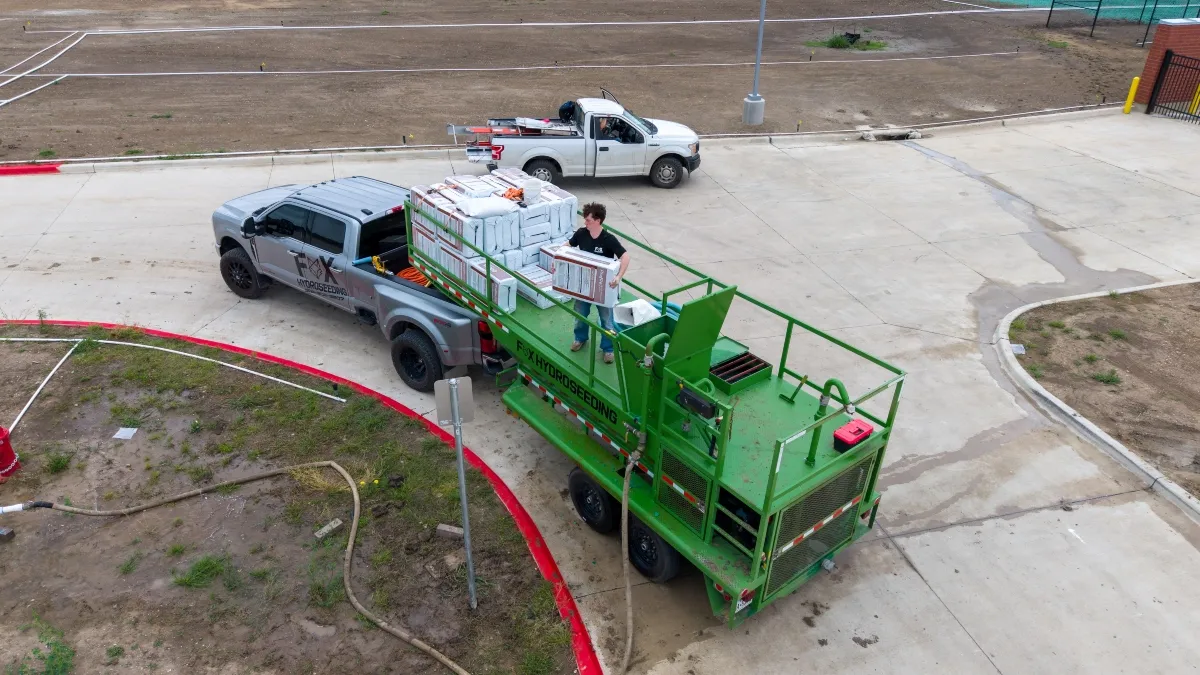
Creating a healthy, attractive lawn in North Texas can be challenging because of hot summers, changing rainfall patterns, and varying soil conditions. Homeowners and commercial property managers need a grass establishment method that supports reliable growth without unnecessary labor or expense. Hydroseeding North Texas properties offers a practical solution by combining grass seed, water, mulch, and suitable additives into a mixture that is sprayed onto prepared soil. This process allows contractors to cover large areas efficiently while helping maintain the moisture needed for seed germination. When combined with proper preparation and ongoing care, hydroseeding can help establish a lawn suited to the region's growing conditions.
From newly built homes to business parks and expansive outdoor spaces, hydroseeding can accommodate many landscaping needs. It is especially useful when a property has bare soil after construction, grading, or landscape renovation. Compared with installing sod over an entire property, hydroseeding may offer a more economical approach, although the best option depends on the project's timeline, terrain, and intended use. Understanding the advantages, preparation requirements, and maintenance practices can help property owners decide whether this method is right for their landscape.
Hydroseeding is a planting technique that distributes grass seed in a water-based mixture containing mulch and, when appropriate, fertilizer or other soil amendments. Specialized equipment blends the materials in a tank before spraying them across prepared ground. The mulch helps retain moisture around the seed and provides some protection against surface drying. As the seed receives suitable moisture and temperatures, it begins to germinate and gradually develops into a lawn.
North Texas presents specific challenges for establishing new grass. Summer temperatures can become intense, and exposed soil may dry quickly in direct sunlight. Heavy rainfall can also wash seed away from poorly prepared areas, while clay-heavy soils may become compacted or drain slowly. Hydroseeding can help distribute seed and mulch efficiently, but successful results still depend on appropriate grass selection, soil preparation, and irrigation. A site-specific plan is therefore more effective than using the same approach for every property.
The method is suitable for many residential and commercial applications, including new lawns, roadside areas, business properties, parks, and construction sites. It can also be used to restore vegetation after grading or other ground disturbance. However, hydroseeding does not create an instant lawn like sod installation. Grass needs time to germinate and establish roots, so property owners must plan for a growth period before the area can tolerate regular traffic.
North Texas weather makes grass selection and planting schedules especially important. Warm-season grasses generally perform well during the region's hot growing season, but newly planted seed can struggle when temperatures rise and soil moisture drops. Hydroseeding mulch helps retain moisture around the seed, although it does not eliminate the need for regular irrigation. Planning the application during suitable growing conditions gives seedlings a better opportunity to establish before extreme heat or colder weather arrives.
Spring and early summer are often suitable for establishing seeded warm-season grasses, provided soil temperatures and moisture levels are favorable. Late-season planting can be risky if young grass does not have enough time to develop before winter. Cool-season varieties, where appropriate, are generally better established during fall. A knowledgeable contractor can recommend a schedule based on the grass type, current conditions, and the property's irrigation capabilities.
Heavy rain is another consideration. Intense runoff can move the hydroseeding mixture, expose bare soil, and create uneven coverage. Proper grading and drainage planning help reduce these risks, while steep slopes may require erosion-control blankets or other protective measures. By considering local weather patterns and site conditions, property owners can avoid preventable setbacks and improve the likelihood of successful grass establishment.
Large commercial properties often require efficient coverage across parking areas, office campuses, retail developments, industrial facilities, and newly constructed communities. Commercial hydroseeding services use specialized equipment to distribute seed and mulch across extensive areas with less repetitive manual work. This can help contractors manage labor costs and coordinate landscaping with construction schedules. The approach is particularly valuable when several large sections need vegetation established within a planned timeframe.
Hydroseeding can also support landscape restoration after excavation, grading, or other construction activities. Establishing grass helps improve the appearance of exposed ground and can reduce erosion as roots develop. However, areas with concentrated water flow or significant slope instability may need additional protection. Contractors should evaluate these risks before application and select appropriate materials and methods for the property's conditions.
Cost savings depend on the size of the project, soil preparation requirements, equipment access, and the grass selected. Hydroseeding may be less expensive than sod installation over extensive areas, but it does not provide immediate mature coverage. Businesses should account for irrigation, maintenance, and the time needed for establishment when comparing options. A detailed estimate helps property managers evaluate the total cost rather than focusing solely on the initial application price.
Proper soil preparation is essential for any successful hydroseeding project. Before applying the mixture, remove debris, unwanted vegetation, and large rocks from the planting area. Grade the ground to encourage proper drainage and correct major depressions that could collect water. Compacted soil may need loosening to improve water infiltration and support root development. A soil test can also help identify nutrient deficiencies or pH concerns that should be addressed before planting.
After application, maintain consistent moisture across the seedbed. Light, frequent watering is often needed during germination, particularly when sunny conditions and wind cause rapid drying. Avoid excessive irrigation because standing water and runoff can damage the newly seeded surface. As the grass develops roots, adjust the watering schedule to encourage deeper growth and reduce dependence on frequent surface watering.
Regular inspections help identify problems before they become expensive to correct. Watch for bare patches, poor drainage, weeds, and uneven growth, and follow professional advice about mowing and fertilizer application. Keep heavy equipment and unnecessary foot traffic away from young grass until it becomes sufficiently established. Good maintenance practices protect the initial investment and help the landscape develop into a healthier, more resilient lawn.
Hydroseeding North Texas lawns and landscapes offers an efficient way to establish grass across residential yards, commercial properties, construction sites, and other large outdoor areas. The process combines seed, water, and mulch to support germination while allowing contractors to cover extensive ground efficiently. Its potential cost advantages and flexibility make it an attractive option for many projects, especially when installing sod across the entire property would be expensive.
Successful results depend on selecting grass suited to the site's sunlight, soil, intended use, and maintenance requirements. Bermudagrass is often suitable for sunny, high-traffic areas, while buffalograss may work well in selected low-maintenance landscapes. Proper soil preparation, appropriate application timing, and consistent watering remain essential regardless of the grass variety. No planting method can guarantee uniform growth without suitable conditions and ongoing care.
Whether you are improving a residential lawn or arranging commercial hydroseeding services for a large development, choose an experienced contractor who understands North Texas conditions. Ask about seed selection, preparation requirements, irrigation, and follow-up care before approving the project. With thoughtful planning and proper maintenance, hydroseeding can help establish attractive, functional landscapes that are better suited to the region's challenging climate.