English
 Arabic
 French
 Spanish
 Portuguese
 Deutsch
 Turkish
 Dutch
 Italiano
 Russian
 Romaian
 Portuguese (Brazil)
 Greek

House & Garage Cleanouts Services | Wilsa Junk Removal
Other |
2026-10-13 11:29:44
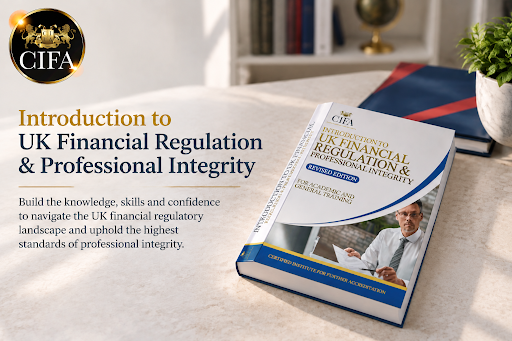
Trust is one of the most important assets in financial services. Customers rely on banks, investment firms and financial professionals to handle money responsibly, explain financial products accurately and act within the law. Maintaining that trust requires more than financial knowledge. It demands an understanding of regulation, ethical conduct and professional accountability.
In the UK, financial regulation helps establish standards for how financial firms operate, how consumers are treated and how risks are managed. Professional integrity complements these rules by guiding individuals to act honestly, fairly and responsibly, particularly when decisions affect customers' financial wellbeing.
The Introduction to UK Financial Regulation & Professional Integrity course from CIFA is designed to help learners understand this important foundation of financial services. Its curriculum covers UK financial regulators, professional ethics, capital markets, legal principles, financial crime, complaints handling and conduct-of-business requirements.
For anyone considering a career in financial services, compliance or risk management, this financial regulation course offers a structured introduction to the rules and responsibilities that shape the industry.
Financial regulation provides a framework within which financial firms and professionals are expected to operate. It supports consumer protection, market integrity and the management of risks that could affect customers or the wider financial system.
Without appropriate oversight, customers could face greater exposure to misleading financial promotions, unsuitable products, poor business practices or inadequate complaint handling. Regulation establishes standards intended to reduce these risks and hold firms accountable for their responsibilities.
However, regulation is not simply a collection of rules to memorise. Professionals need to understand how requirements apply to their work, when an issue should be escalated and why accurate records and transparent communication matter.
For example, a financial services employee who notices that a customer has received unclear information about a product should understand the importance of following the firm's procedures rather than ignoring the concern. This combination of regulatory awareness and sound judgement is central to responsible professional practice.
The CIFA course brings together ten subject areas, connecting regulatory knowledge with ethical conduct and practical financial services responsibilities.
Professional integrity involves acting honestly, treating people fairly, maintaining appropriate confidentiality and recognising conflicts of interest.
This section introduces ethical standards and professional behaviour within financial services. Learners can develop a clearer understanding of why technical knowledge alone is not enough and how conduct influences customer confidence.
Capital markets enable organisations and governments to raise finance and allow investors to buy and sell financial instruments. Understanding their structure helps learners see how businesses, investors and financial institutions interact.
The course introduces the UK financial landscape and the role capital markets play in supporting investment and economic activity.
Legal principles influence how financial agreements are formed, how responsibilities are established and how assets may be managed. Contract and trust law are relevant to different areas of financial services, although their application depends on the circumstances.
An introductory understanding helps learners recognise the legal context surrounding financial relationships and why professional decisions must respect relevant obligations.
Financial services organisations face multiple forms of risk, including operational, market, credit and conduct-related risks. Effective risk management involves identifying potential problems, assessing their significance and applying appropriate controls.
This subject introduces the importance of recognising risk and understanding how it can affect firms, customers and financial markets.
Two important institutions in the UK regulatory framework are the Financial Conduct Authority (FCA) and the Prudential Regulation Authority (PRA).
The FCA regulates conduct across the financial services markets within its remit, with objectives that include protecting consumers, protecting and enhancing market integrity, and promoting effective competition in consumers' interests.
The PRA, part of the Bank of England, focuses on the safety and soundness of the firms it prudentially regulates and, where relevant, policyholder protection.
Understanding the distinction between conduct regulation and prudential supervision helps learners recognise why different regulatory responsibilities exist.
Financial firms must consider how governance arrangements, internal controls and regulatory principles influence their operations.
This section introduces the frameworks associated with the FCA and PRA, helping learners understand the importance of accountability, oversight and appropriate organisational procedures.
Financial services work requires people to understand their responsibilities and possess the knowledge and competence needed for their roles.
The course explores standards relating to firms and individuals, including the importance of appropriate professional capability. These principles help explain why organisations must consider training, supervision and conduct when managing their employees' responsibilities.
Financial crime presents risks to customers, firms and the wider financial system. This area introduces regulatory considerations connected with financial crime prevention and enforcement.
Learners can develop awareness of why financial institutions need appropriate controls, clear procedures and a responsible approach to identifying and escalating concerns. More specialised anti-money laundering roles may require further study in customer due diligence, sanctions and transaction monitoring.
Complaints handling is an important part of consumer protection. Financial firms need appropriate processes for reviewing concerns, investigating relevant facts and responding fairly.
Understanding complaints and redress helps learners recognise how organisations can address customer issues, identify recurring problems and improve their practices.
Conduct of Business Sourcebook requirements, commonly known as COBS, form part of the FCA Handbook and cover rules relevant to the conduct of certain financial services activities.
The course introduces this regulatory area and its role in setting standards for firms within scope. Learners gain context for understanding why clear information, appropriate customer treatment and compliance with applicable requirements matter in financial services.
The course is listed at an intermediate level, and the provider presents it as suitable for people working in or moving towards financial services. Potential learners include graduates, aspiring compliance professionals, accountants, auditors, risk specialists, legal professionals working in finance and individuals seeking broader regulatory knowledge.
Those new to the sector may find the course useful for building an understanding of UK financial regulation before pursuing more specialised training. Existing professionals may use it to strengthen their knowledge of ethical responsibilities and regulatory frameworks.
Because the course is intermediate, prospective learners should review the syllabus and assess their familiarity with financial terminology before enrolling. The published course information does not specify a universal formal degree requirement, so applicants should confirm any current entry expectations directly with CIFA.
The course is delivered digitally, with a published learning commitment of 160 CPD hours. Its listed enrolment fee is £358, which includes an e-book, chapter-based mock exams, a digital profile and access to the careers panel.
An optional study support package is listed at an additional £72 and includes resources such as prerecorded webinars and PowerPoint presentations. The course page also states that learners can receive a digital certificate of achievement after successfully completing the required examination.
CPD hours indicate the stated learning commitment; they do not necessarily mean the course must be completed within a fixed number of calendar days. Your actual study time will depend on your schedule and previous knowledge. Exam-related charges and other conditions should be checked before enrolment, as the provider's fees and arrangements may change.
Understanding financial regulation and professional integrity can be relevant to a range of roles, including compliance assistant, regulatory administration support, risk support assistant, financial services administrator and financial operations support.
The knowledge may also benefit people already working in banking, investment services, accounting or customer-facing financial roles where regulatory awareness is important.
However, the course should be viewed as a foundation for professional development rather than a guarantee of employment. Specialist compliance positions may require experience and additional qualifications, while certain regulated activities require appropriate firm permissions and individual competence or qualifications.
To make the most of the course, compare its syllabus with job descriptions for your target roles. Identify additional requirements, such as AML knowledge, reporting skills, regulatory experience or familiarity with compliance systems, and plan your next steps accordingly.
For more information about the provider and its wider training options, visit About CIFA.
The course may be worthwhile for learners who want a structured introduction to the UK financial regulatory environment and the ethical responsibilities associated with financial services. Its ten subject areas provide broad coverage, from the roles of regulators to financial crime, legal principles and complaints handling.
The value will depend on your objectives. If you are preparing for an entry-level role, it may help you build relevant vocabulary and understand the context in which financial institutions operate. If you already work in finance, it may provide an opportunity to consolidate your regulatory knowledge.
It is not a substitute for workplace experience or every specialist qualification. Its strongest use is as part of a broader development plan that combines learning with practical application and further training where necessary.
Financial services depend on people who understand both the rules and the reasons behind them. Regulatory knowledge helps professionals recognise their obligations, while integrity guides how they apply that knowledge in everyday decisions.
The Introduction to UK Financial Regulation & Professional Integrity course from CIFA brings these principles together through a structured programme covering regulation, ethics, risk, legal frameworks and customer protection.
For learners exploring UK financial services or seeking to strengthen their professional understanding, it can be a useful starting point. Combined with relevant experience and continued development, this foundation can help you approach future responsibilities with greater awareness, confidence and accountability.