English
 Arabic
 French
 Spanish
 Portuguese
 Deutsch
 Turkish
 Dutch
 Italiano
 Russian
 Romaian
 Portuguese (Brazil)
 Greek

Spider Clothing: Spider Hoodie, Sp5der Hoodie & Streetwear Collection
Business & Entrepreneurship Insights |
2026-10-19 05:57:36
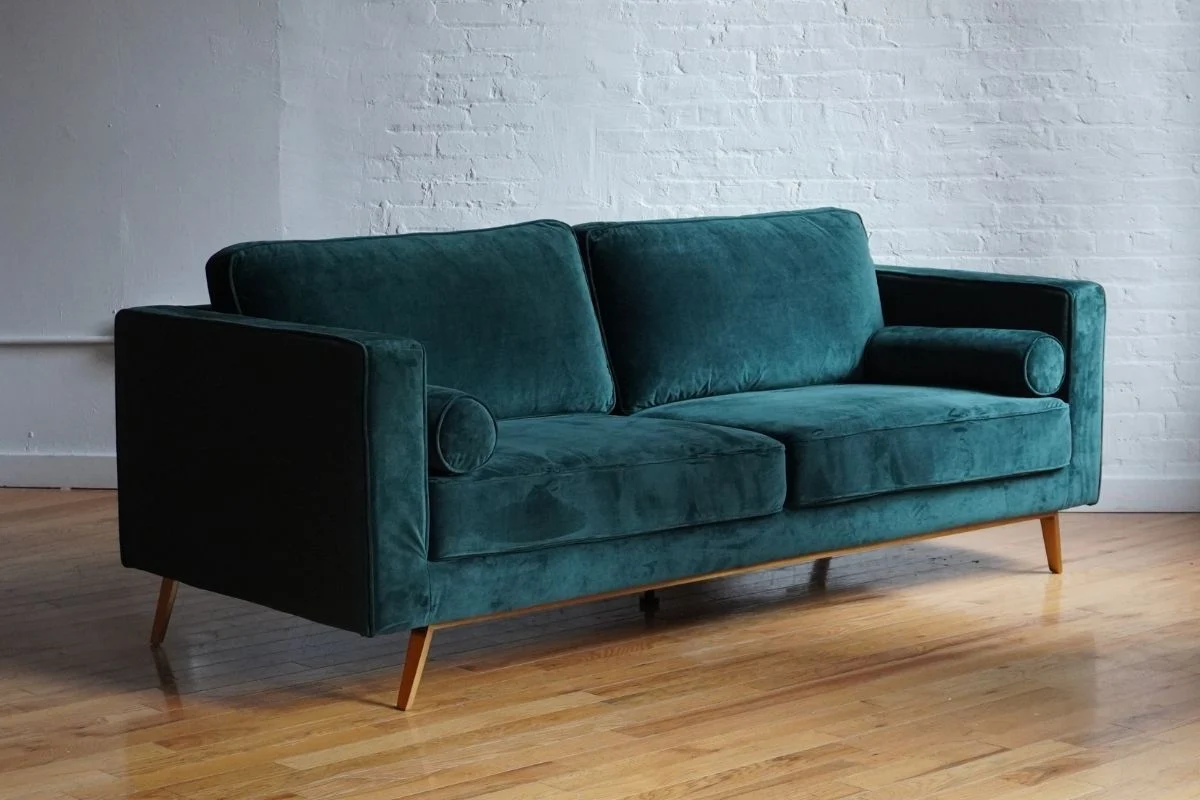
Mid-century modern furniture has remained a favorite among homeowners, interior designers, and vintage collectors because of its clean lines, practical construction, and understated elegance. Developed during a period of significant design innovation in the mid-20th century, this style combines visual simplicity with everyday functionality. Its appeal comes from furniture that feels sophisticated without being overly decorative, making it suitable for both traditional homes and contemporary interiors. Whether you are furnishing your first apartment or refreshing a living space, understanding this design style can help you make thoughtful choices that last for years.
For beginners, exploring mid-century modern furniture is about more than choosing attractive chairs, tables, and cabinets. It involves learning how materials, proportions, craftsmanship, and color work together to create a balanced interior. From warm walnut finishes to sculptural wooden legs, each detail contributes to the style's distinctive character. With the right approach, you can incorporate a few carefully selected pieces into your home without completely changing your existing decor or exceeding your budget.
Mid-century modern furniture refers to a design movement most closely associated with the 1940s through the 1960s, although its influences began earlier and continue to shape furniture design today. Designers during this period explored ways to create attractive, functional pieces suited to changing lifestyles and modern homes. Advances in manufacturing, new materials, and a growing interest in practical living encouraged furniture makers to move away from heavy ornamentation and embrace cleaner, more streamlined forms.
One of the defining characteristics of this style is its balance between simplicity and personality. Furniture often features smooth surfaces, tapered legs, geometric shapes, and carefully considered proportions. Instead of relying on elaborate carvings or excessive decoration, designers allowed the materials and silhouettes to provide visual interest. Wood grain, curved edges, and contrasting textures became important design elements that gave otherwise simple pieces a distinctive appearance.
Another reason the style remains popular is its versatility. Mid-century modern furniture can complement minimalist interiors, industrial spaces, Scandinavian-inspired rooms, and even traditional homes. A walnut sideboard can introduce warmth into a neutral living room, while a sculptural lounge chair can become a focal point without overwhelming the space. This adaptability makes the style an accessible starting point for anyone interested in creating a timeless and cohesive home.
Understanding the essential features of mid-century modern furniture makes shopping and decorating much easier. One of the most recognizable details is the use of tapered legs, which narrow toward the bottom and give tables, chairs, and cabinets a lighter appearance. Raised furniture also exposes more of the floor, helping smaller rooms feel open rather than crowded. These practical design choices demonstrate how the movement combined visual appeal with everyday usability.
Natural materials play an equally important role. Walnut, teak, oak, and other woods are commonly associated with the style because they offer attractive grain patterns and warm tones. Designers also experimented with molded plywood, fiberglass, metal, glass, and durable upholstery fabrics. Combining these materials created furniture that felt modern for its time while offering a wide range of textures and finishes. When selecting pieces, pay attention to material quality, construction, and how the finish complements the rest of your interior.
Color and shape provide additional opportunities to express the style. Neutral shades such as cream, beige, gray, and warm brown create a calm foundation, while mustard yellow, olive green, burnt orange, and deep blue can introduce character. Rounded chair backs, oval coffee tables, and asymmetrical decorative forms soften the straight lines found in many cabinets and desks. You do not need every feature in one room; a few well-chosen elements can establish the look without making your home feel like a showroom.
When buying furniture for the first time, start by considering the size, layout, and purpose of each room. A beautiful piece may look appealing in a showroom but feel awkward if it does not fit your available space. Measure the room carefully, including doorways and walking paths, before making a purchase. Choose furniture with proportions that complement the room instead of filling every empty corner. A smaller apartment, for example, may benefit from a compact sideboard, a streamlined sofa, and a coffee table with slender legs.
Quality should be another priority when comparing different options. Examine the joints, stability, surface finish, upholstery, and overall construction. Solid wood can offer durability and character, while quality veneers can provide attractive grain patterns and efficient material use. Neither option automatically guarantees superior craftsmanship, so inspect the complete piece rather than judging it by appearance alone. For upholstered furniture, check the seat support, fabric quality, and comfort to ensure the design works for everyday use.
Consider your budget and lifestyle before deciding between vintage, antique, and newly manufactured furniture. Original vintage pieces can provide historical character, but their condition, rarity, maker, and provenance may influence their price. Contemporary reproductions can offer a similar aesthetic with modern upholstery options, updated dimensions, and easier maintenance. If you are new to the style, investing in one well-made statement piece and building around it gradually can be more practical than purchasing an entire matching collection.
The dining room is an excellent place to introduce this design movement because tables and chairs often become the room's central features. Mid-century dining furniture typically emphasizes clean silhouettes, warm wood tones, and practical proportions. A rectangular walnut dining table can create a classic, refined look, while a round table may work better in a compact dining area. Oval designs can also soften a room filled with straight architectural lines and angular cabinetry.
When selecting a dining table, consider how many people regularly use it and whether you frequently host guests. Measure the available floor area and leave enough clearance around the table for chairs to move comfortably. Extendable tables are especially useful for households that need additional seating occasionally but want to conserve space during everyday meals. Pay attention to table height, leg placement, and the position of any supports to ensure that everyone can sit comfortably.
Dining chairs provide another opportunity to introduce character through shape and material. Wooden chairs with tapered legs offer a traditional mid-century appearance, while molded seats and upholstered cushions can add a more contemporary touch. You do not necessarily need to purchase a matching table-and-chair set. Combining complementary designs can create a more personal interior, provided the pieces share a consistent element such as color, material, scale, or shape.
Lighting and accessories help complete the dining area without competing with the furniture. A pendant light with a simple geometric form can define the table, while a low-profile centerpiece adds interest without obstructing conversation. Consider a ceramic vase, a restrained arrangement of greenery, or a textured table runner in a complementary color. The goal is to keep the dining space welcoming and practical while allowing the furniture's craftsmanship and design to remain the main attraction.
One of the greatest advantages of this furniture style is how easily it works with other design approaches. You can combine mid-century pieces with contemporary decor, rustic finishes, Scandinavian simplicity, or traditional architectural details. The secret is to create a visual connection between different elements rather than making everything identical. For instance, a walnut credenza can complement a modern sofa, neutral walls, and a textured area rug without making the room feel disconnected.
Start by choosing a consistent color palette that ties the room together. Warm wood furniture works well with cream, beige, muted green, and earthy terracotta, while black metal accents can introduce contrast. If you prefer brighter interiors, use colorful cushions, artwork, or decorative objects to bring energy into the space. Repeating one or two colors across different items helps create harmony even when the furniture comes from different periods.
Texture is equally important when combining styles. Pair smooth wooden surfaces with woven fabrics, wool rugs, linen curtains, or soft upholstery to create a comfortable atmosphere. Plants can introduce natural shapes that balance the furniture's geometric lines, while artwork adds personality without requiring additional large pieces. Avoid filling every surface with accessories; leaving some open space allows individual furniture designs to stand out and helps maintain the uncluttered character associated with mid-century interiors.
Proper maintenance helps preserve the appearance and functionality of furniture over time. Dust wooden surfaces regularly with a soft cloth, and clean spills promptly using methods appropriate for the specific finish. Avoid placing furniture in prolonged direct sunlight, which can fade upholstery and alter wood color. Excessive moisture and heat can also damage certain finishes, so use suitable coasters and protective mats where needed. Always follow the manufacturer's care instructions, especially for vintage pieces with delicate surfaces.
If you are shopping for authentic vintage furniture, examine the construction and look for labels, maker's marks, production records, or documented provenance when available. Research the designer and manufacturer rather than relying entirely on a seller's description. However, the absence of a label does not automatically mean a piece is inauthentic, and a label alone does not guarantee originality. When authenticity matters financially, consult a knowledgeable vintage dealer or qualified furniture appraiser.
Inspect the furniture carefully for structural damage, unstable legs, loose joints, veneer lifting, and signs of previous repairs. Some wear is expected in older furniture and can contribute to its character, but serious damage may require expensive restoration. Ask about the item's history and any repairs before purchasing it. For newly manufactured furniture, compare construction details, material descriptions, warranty terms, and return policies. These practical checks help you make a more informed decision and select pieces that suit both your home and your budget.
Mid-century modern furniture offers a practical way to create interiors that feel warm, refined, and uncluttered. Its combination of clean lines, functional shapes, natural materials, and thoughtful proportions makes it adaptable to different room sizes and decorating preferences. Whether you choose a sculptural lounge chair, a streamlined storage cabinet, or a complete dining arrangement, the most successful pieces balance appearance with everyday comfort.
For beginners, the best approach is to start small, prioritize quality, and select furniture that supports your lifestyle. Mid-century dining furniture can establish a strong foundation for a welcoming dining room, while carefully chosen accents can carry the same design language throughout the home. By paying attention to craftsmanship, materials, proportions, and maintenance, you can build an inviting interior that reflects your personality without following every passing trend. The result is a timeless living space where thoughtful design and practical function work together naturally.