English
 Arabic
 French
 Spanish
 Portuguese
 Deutsch
 Turkish
 Dutch
 Italiano
 Russian
 Romaian
 Portuguese (Brazil)
 Greek

Money and Benefits QA Hub: COLA Medicare Costs Paychecks
Finance & Investing |
2026-10-09 22:32:36
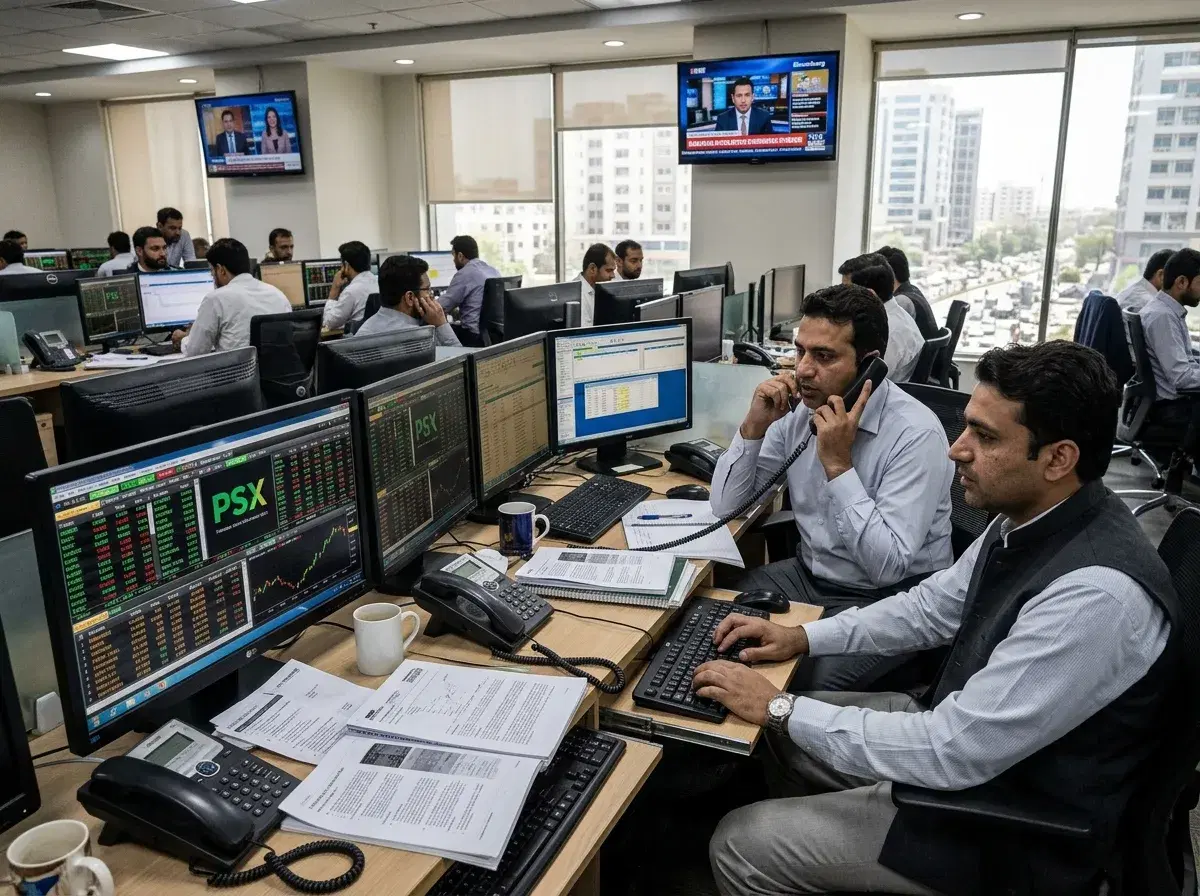
Building a long-term investment strategy is an important step toward achieving financial stability and creating wealth over time. In Pakistan, investors have access to several financial opportunities, including stocks, mutual funds, government securities, and other investment products. However, selecting investments without a clear plan can expose individuals to unnecessary risks and emotional decision-making.
A successful long-term strategy begins with understanding your financial goals, evaluating your risk tolerance, and selecting investments that match your circumstances. Rather than focusing on short-term market movements, investors should develop consistent habits, conduct proper research, and review their portfolios periodically. With the right approach, long-term investing can become a structured part of personal financial planning.
The first step in developing an investment strategy is identifying what you want to achieve. Your financial goals provide direction and help determine which investment options may be appropriate.
For example, you might want to build retirement savings, purchase a property, finance your children's education, or create an additional source of potential income. Each goal may require a different investment timeline and level of risk.
Short-term goals generally require greater emphasis on liquidity and capital preservation, while long-term goals may allow investors to consider assets with greater growth potential and higher volatility.
Write down your goals, estimate their future costs, and establish realistic timelines. Remember that inflation can reduce purchasing power over time, so your strategy should consider the rising cost of goods and services.
Before investing, evaluate your current financial situation. Consider your monthly income, household expenses, outstanding debts, savings, and existing investments.
Establishing an emergency fund is particularly important. Keeping several months of essential expenses in accessible savings can help you handle unexpected costs without selling investments during unfavorable market conditions.
You should also review high-interest debt before committing substantial funds to the market. Interest expenses can place pressure on your finances and reduce the benefits of uncertain investment returns.
Once your essential expenses, emergency savings, and debt obligations are addressed, determine how much money you can invest regularly. Your investment contribution should remain affordable even when your income or expenses change.
Every investment carries some level of risk, but the type and extent of that risk vary between financial products. Understanding your ability and willingness to tolerate losses helps you build a suitable portfolio.
For example, stocks can offer long-term growth potential but may experience significant price declines. Money market funds generally invest in short-term instruments, although their returns are not necessarily guaranteed and they still carry risks.
Your investment timeline also matters. Someone investing for retirement several decades away may have more flexibility to tolerate market fluctuations than someone who needs the money within two years.
Consider how you would respond if your portfolio declined substantially in value. If a temporary decline would force you to sell or prevent you from meeting essential expenses, your investment allocation may be too aggressive.
Pakistan offers several investment opportunities, each with distinct characteristics.
The Pakistan Stock Exchange (PSX) allows investors to purchase shares in publicly listed companies. Returns may come from capital appreciation and dividends, although both are uncertain.
Before investing, research company earnings, debt, cash flow, management, competitive position, and valuation. Avoid purchasing shares simply because their prices are rising or because someone recommends them online.
Mutual funds pool money from multiple investors and invest according to a defined strategy. Equity funds, income funds, and money market funds have different objectives, risks, and potential returns.
Investors should examine the fund's investment policy, management fees, historical performance, and portfolio composition before making a decision.
Government securities, including Treasury bills and Pakistan Investment Bonds, provide another investment avenue. Their characteristics depend on maturity, payment terms, interest rates, and the method through which they are purchased.
Investors seeking Shariah-compliant options can explore eligible shares, Islamic mutual funds, and appropriately structured financial products. Reviewing the product's investment policy and Shariah supervision arrangements can help investors understand how it operates.
Diversifying across suitable investment categories may help manage certain risks, but no investment strategy can eliminate every possibility of loss.
Diversification involves spreading investments across different companies, industries, or asset classes. Its purpose is to reduce dependence on a single investment and limit the impact of certain adverse events.
For example, investing exclusively in banking shares exposes an investor to risks affecting that particular industry. Holding investments across several sectors may reduce this concentration, although economic downturns can still affect multiple sectors simultaneously.
Your portfolio allocation should reflect your goals, investment horizon, and financial circumstances. Some investors may prefer a cautious approach, while others with longer timelines and greater risk capacity may allocate more money to growth-oriented assets.
Avoid diversifying blindly by purchasing numerous investments you do not understand. A smaller portfolio of carefully researched investments may be easier to monitor than a collection of unfamiliar assets.
Consistency can play an important role in long-term investing. One approach is to invest a predetermined amount at regular intervals, such as monthly, provided the contributions remain affordable.
This method can reduce the pressure to identify the perfect time to enter the market. However, regular investing does not guarantee profits or prevent losses, and its results depend on market performance, costs, and investment selection.
Emotional reactions can undermine an otherwise sensible strategy. Investors may buy during periods of excitement or sell during market declines because of fear. Making decisions based on reliable information rather than daily price movements can help maintain discipline.
Establish clear rules for buying, reviewing, and selling investments. Before changing your portfolio, consider whether the decision reflects a meaningful change in your financial circumstances or simply a short-term market reaction.
A long-term investment strategy should be reviewed regularly to ensure it remains aligned with your objectives. This does not mean checking prices constantly or making frequent trades.
Instead, review your portfolio periodically and assess its overall performance, asset allocation, fees, and risk exposure. Compare progress against your financial goals rather than focusing exclusively on individual stock prices.
Transaction charges, fund management fees, applicable taxes, and inflation can influence your actual investment outcomes. Understanding these costs provides a more realistic picture of your progress.
If one investment grows until it represents an unusually large share of your portfolio, you may need to evaluate whether rebalancing is appropriate. Any adjustment should consider transaction costs and potential tax consequences.
Financial markets change as economic conditions, interest rates, company performance, and government policies evolve. Continuous learning helps investors understand these developments and evaluate their potential implications.
Use reliable financial statements, official market announcements, fund documents, and educational resources. Verify the credentials of financial service providers through relevant official regulatory sources, including the Securities and Exchange Commission of Pakistan where applicable.
Avoid guaranteed-return promises, unverified investment schemes, excessive borrowing, and decisions based entirely on rumors. Past performance does not guarantee future results, and even thorough research cannot remove investment uncertainty.
Building a long-term investment strategy in Pakistan requires clear financial goals, realistic expectations, diversification, consistent contributions, and ongoing research. By understanding different investment options and managing risk carefully, individuals can make more informed decisions and work toward their financial objectives over time.
Choosing a reliable Stock Broker in Pakistan is an important consideration for individuals planning to invest in shares through the Pakistan Stock Exchange. Valuestock can help readers improve their understanding of financial markets and develop greater confidence in investment-related decisions. Before investing, verify the relevant provider's credentials, understand all associated costs, and choose investments that suit your financial position and risk tolerance. A disciplined, long-term approach can help establish stronger financial habits while recognizing that investment returns are never guaranteed.