English
 Arabic
 French
 Spanish
 Portuguese
 Deutsch
 Turkish
 Dutch
 Italiano
 Russian
 Romaian
 Portuguese (Brazil)
 Greek

Thermoformed Plastics Market Expansion Underpinned by 6.77% CAGR in Ready-to-Eat Food Sector
Other |
2026-10-15 11:33:54
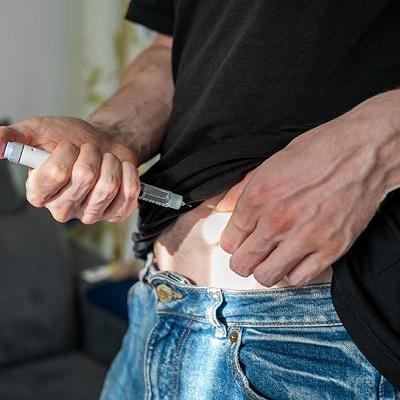
Wegovy Injections have become a widely recognized treatment option for people seeking medical support with weight management. Containing semaglutide, Wegovy Injections works by mimicking a naturally occurring hormone involved in appetite regulation, digestion, and blood sugar control. When used alongside a balanced diet and regular physical activity, it can help eligible individuals lose weight and improve certain aspects of their metabolic health.
However, one important question often arises during treatment: what happens when someone stops taking Wegovy Injections?
Stopping treatment does not automatically mean that all progress will disappear overnight. Nevertheless, appetite changes, gradual weight regain, and shifts in eating habits can occur after the medication is discontinued. The experience varies depending on individual health, lifestyle, treatment duration, and the reasons for stopping.
Understanding these potential changes can help individuals make informed decisions about their treatment and prepare for life after Wegovy. A healthcare professional can also provide guidance on whether stopping, continuing, or switching treatments is appropriate for an individual's circumstances.
Wegovy contains semaglutide, a medication that acts on glucagon-like peptide-1 (GLP-1) receptors. These receptors play a role in regulating appetite, food intake, and blood glucose levels.
The medication helps many people feel satisfied after eating smaller portions, experience less hunger, and manage cravings more effectively. It also slows stomach emptying, particularly during the earlier stages of treatment, contributing to feelings of fullness.
While someone is taking Wegovy, these effects can make it easier to maintain a calorie deficit without feeling as hungry as before. This support can be particularly useful for individuals who have struggled with weight management despite previous lifestyle changes.
After treatment stops, semaglutide gradually leaves the body. Its effects on appetite and fullness then diminish over time. Hunger may return, food cravings may become more noticeable, and larger portions may feel easier to eat again.
These changes are not a sign of personal failure. Obesity and excess weight are influenced by several biological, environmental, and behavioral factors. When a medication that helps regulate appetite is removed, the body may respond in ways that make long-term weight maintenance more challenging.
Weight regain is one of the most common concerns associated with discontinuing Wegovy Injections. Research suggests that many people regain some of the weight they lost after stopping semaglutide, although the amount and timing vary considerably.
A widely discussed clinical trial extension published in 2022 examined participants who had received semaglutide alongside lifestyle support. After stopping treatment, participants regained approximately two-thirds of their previous weight loss over the following year. They also experienced a partial reversal of improvements in certain cardiometabolic risk factors.
These findings highlight an important point: weight management often requires ongoing support rather than a short-term intervention alone.
Weight regain does not happen at the same rate for everyone. Some individuals maintain a substantial portion of their progress, while others regain weight more quickly. Factors that may influence the outcome include:
The amount of weight lost during treatment.
Changes in appetite and daily food intake.
Physical activity levels and exercise consistency.
Sleep quality, stress, and emotional well-being.
Other medications or medical conditions that affect weight.
Access to ongoing nutritional and behavioral support.
It is also important to understand that regaining weight is not inevitable. Sustainable habits, individualized follow-up, and appropriate medical guidance may help improve the chances of maintaining progress.
Rather than viewing Wegovy as a temporary solution that guarantees permanent weight loss, it is more helpful to understand it as one possible part of a longer-term weight-management strategy.
One of the first noticeable differences after stopping Wegovy may be a gradual return of hunger. During treatment, the medication can reduce appetite and help individuals feel full for longer. Without its continued effects, the body's usual hunger signals may become more noticeable.
Some people may find themselves thinking about food more frequently or experiencing stronger cravings between meals. Others may notice that their usual portion sizes no longer provide the same level of satisfaction.
These changes can make it more difficult to maintain the eating patterns established during treatment, particularly if appetite suppression had been the primary factor supporting reduced calorie intake.
Digestive changes are also possible. While taking Wegovy, some individuals experience nausea, constipation, diarrhea, bloating, or other gastrointestinal symptoms. These side effects often improve after discontinuation as the medication's effects fade, although the timing differs between individuals.
Because semaglutide has a long half-life, it does not disappear immediately after the final injection. It generally takes around five to seven weeks for most of the medication to leave the body, although individual differences apply.
As a result, appetite and digestive changes may develop gradually rather than appearing on the day of the last injection.
A practical approach is to continue eating regular, balanced meals and pay attention to hunger and fullness cues. Planning meals in advance and keeping nutritious foods readily available can also help individuals adapt to changing appetite levels without relying entirely on willpower.
Wegovy Injections can influence more than appetite and body weight. Semaglutide also affects blood glucose regulation, making it important to consider the broader health implications of stopping treatment.
For individuals with type 2 diabetes, discontinuing semaglutide may lead to higher blood glucose levels if the medication was contributing to diabetes management. The extent of this change depends on the person's overall treatment plan, diet, physical activity, and other medications.
People taking insulin or sulfonylureas alongside Wegovy may require particular attention to their treatment plan when medications are changed. A healthcare professional can help determine whether adjustments or additional monitoring are necessary.
Weight regain may also affect blood pressure, cholesterol levels, and other metabolic risk factors. These changes are not guaranteed, but they are worth monitoring, especially for individuals who originally started treatment because of weight-related health concerns.
It is equally important to recognize that not everyone experiences the same health effects after discontinuation. Some individuals may maintain their weight loss and continue to see improvements in certain health measurements, while others may notice a gradual return toward their previous baseline.
Wegovy should not be considered a substitute for comprehensive medical care. Regular follow-up appointments, appropriate laboratory testing, and a personalized health plan can help individuals understand how their body responds after treatment ends.
Anyone considering stopping Wegovy because of side effects, cost, pregnancy planning, or another medical concern should discuss the decision with a qualified healthcare professional. This conversation can help identify appropriate alternatives and reduce the risk of losing control over an existing health condition.
Although maintaining weight loss can become more challenging after stopping medication, several practical strategies may help individuals protect their progress. A consistent routine can provide structure when appetite increases and the effects of semaglutide gradually disappear.
Prioritize balanced, satisfying meals
Meals containing protein, fiber-rich carbohydrates, vegetables, and healthy fats can support fullness and nutritional balance. Foods such as eggs, beans, lentils, fish, yogurt, whole grains, fruits, and vegetables can be incorporated according to individual preferences and dietary needs.
Regular meals may also help prevent extreme hunger that can lead to unplanned snacking or overeating. Instead of following highly restrictive diets, individuals can focus on portions and eating patterns that are realistic to maintain over time.
Continue regular physical activity
Physical activity supports overall health and can contribute to weight maintenance. Walking, cycling, swimming, strength training, and other enjoyable activities can help individuals build a sustainable routine.
Strength training is particularly useful because preserving muscle mass can support physical function and metabolic health during weight management. Activity levels should be adjusted to suit a person's fitness, mobility, and medical circumstances.
Protect sleep and manage stress
Insufficient sleep and ongoing stress can influence hunger, cravings, mood, and daily food choices. Maintaining a regular sleep schedule, practicing relaxation techniques, and making time for enjoyable activities may help support healthier habits.
Emotional eating can also become more noticeable when appetite changes after medication discontinuation. Recognizing triggers and seeking appropriate support can make it easier to respond constructively.
Monitor progress without becoming overly restrictive
Regularly tracking weight, eating patterns, physical activity, or other relevant health measurements may help identify changes early. However, daily fluctuations are normal, and short-term increases do not necessarily indicate a lasting trend.
A healthcare professional or qualified nutrition specialist can help establish realistic goals and recommend adjustments when needed.
Discuss ongoing treatment options
For some individuals, stopping Wegovy may be followed by a need for additional weight-management support. Depending on medical history, treatment response, eligibility, and personal goals, options may include continued medical follow-up, behavioral support, alternative medications, or a different long-term management strategy.
There is no single approach that works for everyone. The most appropriate plan is one that addresses both the biological and lifestyle factors involved in weight management.
Stopping Wegovy is not usually associated with a classic withdrawal syndrome. However, appetite changes, weight regain, and changes in blood glucose control can require attention. People with diabetes or other relevant medical conditions should discuss discontinuation with their healthcare professional before making changes.
Medical advice is especially important if an individual experiences persistently elevated blood glucose, substantial or rapid weight changes, difficulty maintaining adequate nutrition, or a return of health concerns that were previously improving.
Certain symptoms require more urgent assessment. Severe or persistent abdominal pain, particularly when accompanied by vomiting, may indicate a serious condition and should not be dismissed as an ordinary effect of stopping treatment. Severe dehydration, confusion, or other significant symptoms also warrant prompt medical evaluation.
People who stop because of persistent nausea, vomiting, or other troublesome side effects should discuss those symptoms with a healthcare professional rather than assuming they will resolve without further assessment.
It is also important not to restart Wegovy at a previous dose without professional guidance. After a prolonged interruption, a lower starting dose or a revised dose-escalation schedule may be appropriate to reduce gastrointestinal side effects. The correct approach depends on the length of the interruption, previous tolerability, and individual circumstances.
Ultimately, discontinuing treatment should be part of a considered health decision. With appropriate monitoring and a practical maintenance plan, individuals can better understand their body's response and explore suitable next steps.
1. Will weight return immediately after stopping Wegovy Injections?
No. Weight does not usually return immediately after the final injection. Semaglutide remains in the body for several weeks, and changes in appetite and weight may develop gradually. Some individuals maintain their progress, while others experience weight regain over the following months.
2. How long does Wegovy stay in the body after the last injection?
Semaglutide has a half-life of approximately one week. It generally takes around five to seven weeks for most of the medication to leave the body after the last dose. The duration of its noticeable effects varies between individuals.
3. Does stopping Wegovy cause withdrawal symptoms?
Wegovy is not generally associated with a classic withdrawal syndrome. However, the return of hunger, increased cravings, weight regain, and changes in blood glucose control may occur as the medication's effects diminish. These changes should be distinguished from withdrawal symptoms.
4. Can someone maintain weight loss without Wegovy?
Yes, some individuals maintain a portion or all of their weight loss after discontinuing treatment. Balanced nutrition, regular physical activity, adequate sleep, behavioral support, and ongoing medical follow-up may help. However, maintaining weight loss can be more difficult as appetite-regulating effects wear off.
5. Is it safe to stop Wegovy injections suddenly?
Stopping Wegovy does not typically require a gradual taper to prevent withdrawal. However, the decision should be discussed with a healthcare professional, particularly when the medication is being used to help manage diabetes or other health risks. A personalized plan can help address possible changes in appetite, weight, and blood glucose.
6. Can someone restart Wegovy after stopping it?
Restarting may be possible, depending on the reason for discontinuation, the length of the treatment gap, medical history, and previous side effects. A healthcare professional should determine the appropriate dose and schedule. Restarting at the previous dose without guidance may increase the risk of gastrointestinal side effects.
Stopping Wegovy Injections can lead to meaningful changes in appetite, eating habits, body weight, and certain metabolic health measurements. Although weight regain is common in research involving people who discontinue semaglutide, it is not identical for everyone, and individual outcomes depend on multiple factors.
A long-term approach that combines balanced nutrition, regular movement, behavioral support, and appropriate medical monitoring can help individuals navigate the transition. Just as importantly, stopping treatment should not be viewed as a personal failure or a reason to abandon weight-management goals.
For anyone considering discontinuation, the most helpful next step is to discuss the potential benefits, risks, and alternatives with a qualified healthcare professional. With realistic expectations and an individualized plan, it is possible to make informed decisions about long-term health and weight management.
Read More About Wegovy Injections: https://www.citymapia.com/muscat/enfield-royal-clinic-oman/blog/wegovy-injections-for-women-37552