English
 Arabic
 French
 Spanish
 Portuguese
 Deutsch
 Turkish
 Dutch
 Italiano
 Russian
 Romaian
 Portuguese (Brazil)
 Greek

How to Create a Sustainable Strategy for Collecting Customer Reviews
Digital Marketing & SEO Strategies |
2026-10-15 11:27:17
Lab / QC Equipment plays an essential role in maintaining coffee quality from green bean purchasing to roasting, packaging, and export. In Vietnam, where Robusta production supports domestic consumption and international trade, reliable testing helps businesses identify defects, compare suppliers, and maintain consistent product specifications. Arabica producers and specialty roasters also benefit from structured laboratory procedures. With suitable equipment, trained staff, and documented testing methods, Coffee Pro Direct can help businesses explore the tools needed to build an effective coffee quality-control workflow and support dependable production decisions.
Lab / QC Equipment refers to instruments and tools used to measure, inspect, compare, and verify coffee quality. Typical equipment includes moisture meters, density meters, sizing screens, precision scales, sample roasters, grinders, cupping supplies, and roast-color measurement devices. More advanced laboratories may also use water-activity meters and specialized analytical instruments. Each tool supports a different stage of evaluation. Selecting equipment according to business requirements helps coffee companies avoid unnecessary costs while building reliable procedures for purchasing, processing, roasting, and product development.
Vietnam's coffee sector serves domestic roasters, manufacturers, exporters, specialty cafés, and international buyers. Each market can have different expectations for appearance, moisture, defects, flavor, and consistency. Quality-control procedures help businesses compare incoming lots with agreed specifications before accepting or processing them. Organizations such as CAFECONTROL and the Food Control Center in Vietnam provide coffee inspection and laboratory testing services, illustrating the importance of formal assessment in the local industry. (CAFECONTROL, FCC) Appropriate in-house equipment can complement external laboratory services.
A moisture meter measures the moisture content of green coffee beans, helping buyers and warehouse teams evaluate an important storage and processing characteristic. Excessive moisture can increase deterioration risks under unsuitable storage conditions, while moisture differences may affect roasting behavior. Results should be interpreted alongside sampling methods, bean temperature, lot variation, and the instrument's calibration. Businesses should choose a meter suitable for their coffee types and testing needs. Regular checks and documented procedures help teams compare lots consistently and identify when further investigation or laboratory testing is appropriate.
Green coffee density measurement helps quality teams characterize beans and compare lots from different origins, processing methods, or suppliers. Density can influence heat transfer and roast development, but it should not be treated as a standalone predictor of cup quality. Laboratories may use dedicated density meters or suitable measuring equipment according to their procedures. For Vietnamese Robusta and Arabica, recording density alongside moisture, screen size, and sensory observations provides a more complete understanding of raw materials. The selected method should be repeatable, clearly documented, and appropriate for the decisions being made.
Sizing screens separate green coffee beans according to their physical dimensions. This helps businesses measure size distribution and assess compliance with buyer specifications where screen size is part of the contract. Grading trays, inspection mats, sample containers, and counting tools support the examination of visible defects and foreign material. Screen size alone does not determine flavor or overall quality, so physical grading should be combined with sensory evaluation and other relevant measurements. A consistent sampling procedure is essential because an unrepresentative sample may produce misleading conclusions about an entire shipment.
A sample roaster allows laboratory staff to roast small quantities of green coffee under controlled conditions before approving a lot or planning production. Comparing samples with a consistent roasting approach helps teams identify differences in aroma, flavor, acidity, sweetness, body, and potential defects. Professional coffee laboratories use sample roasting as part of green coffee evaluation, alongside physical analysis and cupping. (IMCO Laboratory) When choosing equipment, consider batch size, profile control, repeatability, cooling performance, cleaning access, and the availability of maintenance support.
Cupping grinders and precision scales help laboratories prepare coffee samples consistently. A suitable grinder produces a repeatable grind for the selected evaluation protocol, while accurate scales control coffee dosage and other measured quantities. Equipment cleanliness is equally important because retained grounds and odors can affect sensory results. Teams should establish cleaning schedules, verify scale performance, and use the same preparation method when comparing samples. These basic tools are important for small roasteries as well as larger quality-control laboratories because unreliable sample preparation can undermine otherwise careful testing.
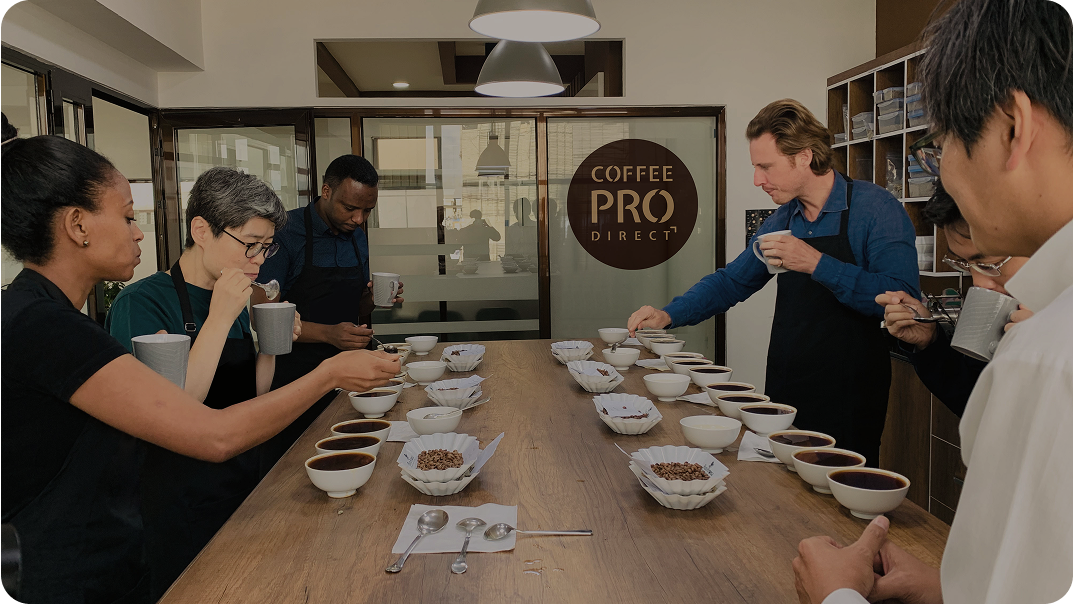
Cupping equipment supports structured sensory evaluation. Standardized bowls, tasting spoons, sample labels, timers, kettles, and suitable water-preparation equipment help evaluators compare coffee using a repeatable procedure. Water quality matters because mineral composition and unwanted odors can influence the brewed result. Laboratories should keep vessels clean, organize samples clearly, and control preparation variables such as dosage, grind, water temperature, and steeping time according to the chosen protocol. The Specialty Coffee Association publishes standards and procedures for coffee assessment that laboratories can consult when designing appropriate evaluation workflows. (SCA Standards)
Roast-color measurement equipment helps roasters compare the appearance of roasted beans or ground coffee against internal product specifications. A color reading can support consistency checks across batches, especially when several operators or machines are involved. However, color alone does not establish whether a coffee tastes balanced or meets its intended flavor profile. Laboratories should combine measurements with roast records and sensory evaluation. Before buying a color meter, confirm the measurement method, sample preparation requirements, repeatability, calibration process, and suitability for whole-bean or ground-coffee analysis.
Some laboratories use water-activity meters to investigate product stability and the availability of water for chemical or microbial activity. Water activity is different from total moisture content, so the two measurements should not be treated as interchangeable. Advanced facilities may also require instruments for specific food-safety, chemical, or microbiological tests, depending on the product and customer requirements. For many businesses, external accredited testing services are more practical than purchasing every specialized instrument. Choose advanced equipment based on documented risks, testing frequency, technical capability, and applicable regulations rather than assuming every laboratory needs the same setup.
A sample divider helps reduce a bulk coffee sample into smaller, representative portions for testing. Representative sampling is important because defects, bean sizes, and moisture characteristics may vary within a lot. Testing an unrepresentative handful can lead to inaccurate acceptance decisions or disagreements with suppliers. Laboratories should define how samples are collected, mixed, divided, labelled, stored, and retained. For exporters and buyers in Vietnam, documented sampling procedures can support contract verification, shipment inspections, and traceability. Sample dividers, containers, scoops, and labels therefore contribute directly to dependable quality-control decisions.
Physical analysis tools help staff inspect green coffee for broken beans, discoloration, foreign material, insect damage, and other characteristics relevant to the agreed specification. Depending on the testing protocol, staff may weigh a defined sample, separate defects, record counts, and assess size distribution. The appropriate method varies by standard, market, and contract. A clear inspection mat, accurate scale, grading references, and well-organized records can make this work more consistent. Physical inspection should complement moisture measurement and sensory evaluation instead of serving as the only basis for determining coffee quality.
Sensory evaluation helps determine whether coffee matches its intended flavor profile and whether defects or unwanted taints are present. Evaluators may assess fragrance, aroma, flavor, aftertaste, acidity, sweetness, body, balance, and other attributes relevant to the chosen method. The Specialty Coffee Association provides a framework for coffee value assessment and professional competencies, supporting consistent terminology and evaluation practices. (SCA Standards) Laboratories should train evaluators, document sample preparation, and agree on acceptance criteria. Sensory results are more useful when linked to lot identification and physical analysis records.
Vietnamese Robusta and Arabica can have different physical characteristics and intended uses, so laboratories should select procedures suited to the coffee being evaluated. Robusta destined for traditional coffee, espresso blends, or soluble production may require application-specific tests alongside standard physical and sensory checks. Arabica lots for specialty markets may receive closer attention to cup attributes and roast behavior. Neither variety should be judged using a single measurement. A suitable laboratory combines moisture testing, defect inspection, sample roasting, and cupping to build a balanced view of the coffee's quality and commercial suitability.
A roasting business can use laboratory tools to approve incoming green coffee, develop roast profiles, and monitor finished-product consistency. Sample roasters and cupping equipment support evaluation before production, while moisture meters and sizing screens help characterize raw materials. Scales, temperature-recording systems, and roast-color meters can assist with batch monitoring. The exact combination depends on production volume and customer requirements. Small roasteries may begin with essential testing tools and use external services for specialized analysis. Larger operations may justify dedicated laboratory space and more advanced equipment as testing needs increase.
A well-designed laboratory should provide clean, organized work areas for physical testing, sample roasting, and sensory evaluation. Where practical, separate roasting and exhaust activities from cupping areas to reduce the risk of odors affecting tasting. Plan adequate lighting, ventilation, electrical capacity, water access, storage, waste handling, and room for safe equipment maintenance. Establish a clear flow for incoming samples, preparation, testing, and retention. Good design is not only about purchasing instruments; it also ensures that staff can follow repeatable procedures and handle samples without unnecessary confusion or contamination.
Laboratory results are only useful when instruments are functioning correctly and staff follow consistent procedures. Scales, moisture meters, thermometers, grinders, and other devices should be checked and maintained according to manufacturer guidance and the laboratory's quality system. Keep calibration or verification records, cleaning schedules, service histories, and instructions for handling results outside acceptable limits. Clean sample-contact surfaces between tests to prevent cross-contamination and unwanted flavors. When an instrument is found to be inaccurate, assess whether earlier results require review. These practices strengthen confidence in decisions based on laboratory measurements.
Before purchasing Lab / QC Equipment, list the tests your business must perform and identify the tools required for each one. A starter laboratory might need a precision scale, moisture meter, sample roaster, grinder, cupping bowls, spoons, and basic physical-grading tools. A more advanced facility may add density measurement, sizing screens, roast-color analysis, water-activity testing, or specialized analytical instruments. The checklist should also include sample storage, reference materials, cleaning supplies, training, calibration, maintenance, and documentation. This prevents hidden costs and helps prioritize equipment according to operational value.
When evaluating suppliers, compare technical specifications, measurement ranges, repeatability, calibration options, training, warranty terms, and after-sales support. Ask whether equipment is suitable for the coffee types and testing protocols your business uses. Confirm the availability of replacement parts, consumables, service assistance, and user documentation. A demonstration using representative samples can help staff understand the instrument's practical value. Avoid selecting equipment based solely on low initial cost or advanced features. The best purchase is one that supports the laboratory's actual decisions, can be maintained properly, and produces results staff can interpret consistently.
Coffee Pro Direct can be a useful starting point for businesses researching coffee equipment and planning a quality-control workflow. Before choosing Lab / QC Equipment, define your products, expected sample volume, testing requirements, available space, and budget. Then compare suitable instruments and identify which measurements can be handled internally and which should be outsourced. For Vietnamese coffee businesses, equipment planning should account for both Robusta and Arabica, the intended market, and customer specifications. A practical, staged approach can help build laboratory capability without investing prematurely in instruments that are rarely used.
Reliable Lab / QC Equipment helps coffee businesses make informed decisions about purchasing, processing, roasting, and finished-product quality. Essential tools such as moisture meters, precision scales, sample roasters, grinders, cupping supplies, and physical-grading equipment provide a foundation for systematic evaluation. More advanced instruments can be added as requirements grow. In Vietnam's competitive coffee industry, effective quality control combines representative sampling, calibrated measurements, trained sensory evaluation, and clear records. Coffee Pro Direct can support equipment research as businesses plan a laboratory that fits their operational needs and long-term quality goals.
Lab / QC Equipment includes the instruments and supplies used to measure, inspect, and evaluate coffee quality. Common examples are moisture meters, density meters, sizing screens, precision scales, sample roasters, grinders, cupping bowls, and roast-color meters. Larger laboratories may also use water-activity instruments or specialized analytical equipment. The right selection depends on the coffee products being handled, the tests required by customers, and the business's budget. Effective equipment works alongside trained staff, documented procedures, and reliable sampling methods.
A basic coffee QC laboratory may begin with a suitable moisture meter, precision scale, sample roaster, grinder, cupping bowls, spoons, sample containers, and tools for physical inspection. Sizing screens and density measurement equipment can be added when required by product specifications or purchasing procedures. Businesses should also budget for cleaning materials, calibration or verification, training, and recordkeeping. The final list depends on whether the laboratory evaluates green coffee, roasted coffee, or both. Specialized food-safety testing can often be outsourced to a qualified laboratory.
A moisture meter helps staff assess the moisture content of green coffee, which is relevant to storage, handling, and roasting. Significant differences between lots can affect processing decisions and may signal a need for further inspection. Readings should be interpreted using an appropriate testing method and a properly maintained instrument. Sampling quality also matters because one reading may not represent an entire shipment. Businesses should establish clear procedures for repeat measurements, acceptable specifications, and follow-up testing when results appear inconsistent.
A sample roaster roasts small quantities of green coffee so buyers and quality teams can evaluate aroma, flavor, and roast behavior before making larger purchasing or production decisions. It helps compare lots under a repeatable preparation method. The resulting coffee can be ground and evaluated through cupping or another application-specific test. Sample roasting does not guarantee that a production machine will produce identical results, so larger-scale trials may still be needed. Cleaning, profile documentation, and consistent sample preparation improve the usefulness of comparisons.
Roast-color measurement is not essential for every operation, but it can be valuable when a business needs consistent appearance across batches or products. A color meter provides a measurable reference that can complement roast profiles and sensory evaluation. Smaller businesses may initially rely on documented roasting parameters and structured tasting, then add color analysis as their needs develop. Before purchasing a device, check whether it measures whole beans, ground coffee, or both, and confirm that its method suits the business's internal quality standards.
Cupping allows evaluators to compare coffees using a structured sensory process. It can reveal differences in aroma, flavor, acidity, sweetness, body, aftertaste, and unwanted characteristics that physical measurements cannot fully describe. For reliable comparisons, teams should standardize sample roasting, grinding, dosage, water, preparation, and evaluation conditions. Written records help connect sensory observations to specific coffee lots and purchasing decisions. Cupping is especially useful when selecting suppliers, approving green coffee, developing products, and checking whether a finished coffee matches an agreed profile.
A small coffee business should purchase advanced instruments when they solve a clear operational problem or support a specific customer requirement. Moisture testing, basic physical inspection, sample roasting, and cupping may be sufficient for many early-stage operations. Specialized chemical, microbiological, or contaminant testing may be more economical through an external laboratory if demand is infrequent. Before investing, estimate testing frequency, instrument maintenance, calibration needs, staff training, and the consequences of not having the measurement available internally. A staged approach helps control costs.
Coffee Pro Direct can be part of the equipment research process for businesses planning coffee testing and quality-control operations. Start by identifying the coffee varieties, product applications, sample volumes, and customer specifications involved. Then compare instruments by their measurement capabilities, repeatability, ease of use, maintenance, and technical support. Businesses in Vietnam should also consider whether equipment suits their green coffee supply chain and production workflow. Confirm current specifications, availability, warranty conditions, and service arrangements with the supplier before making a purchase decision.