English
 Arabic
 French
 Spanish
 Portuguese
 Deutsch
 Turkish
 Dutch
 Italiano
 Russian
 Romaian
 Portuguese (Brazil)
 Greek

Wholesale Shorts UK: New Season Fashion for UK Bulk Buyers
Shopping |
2026-10-12 09:36:40
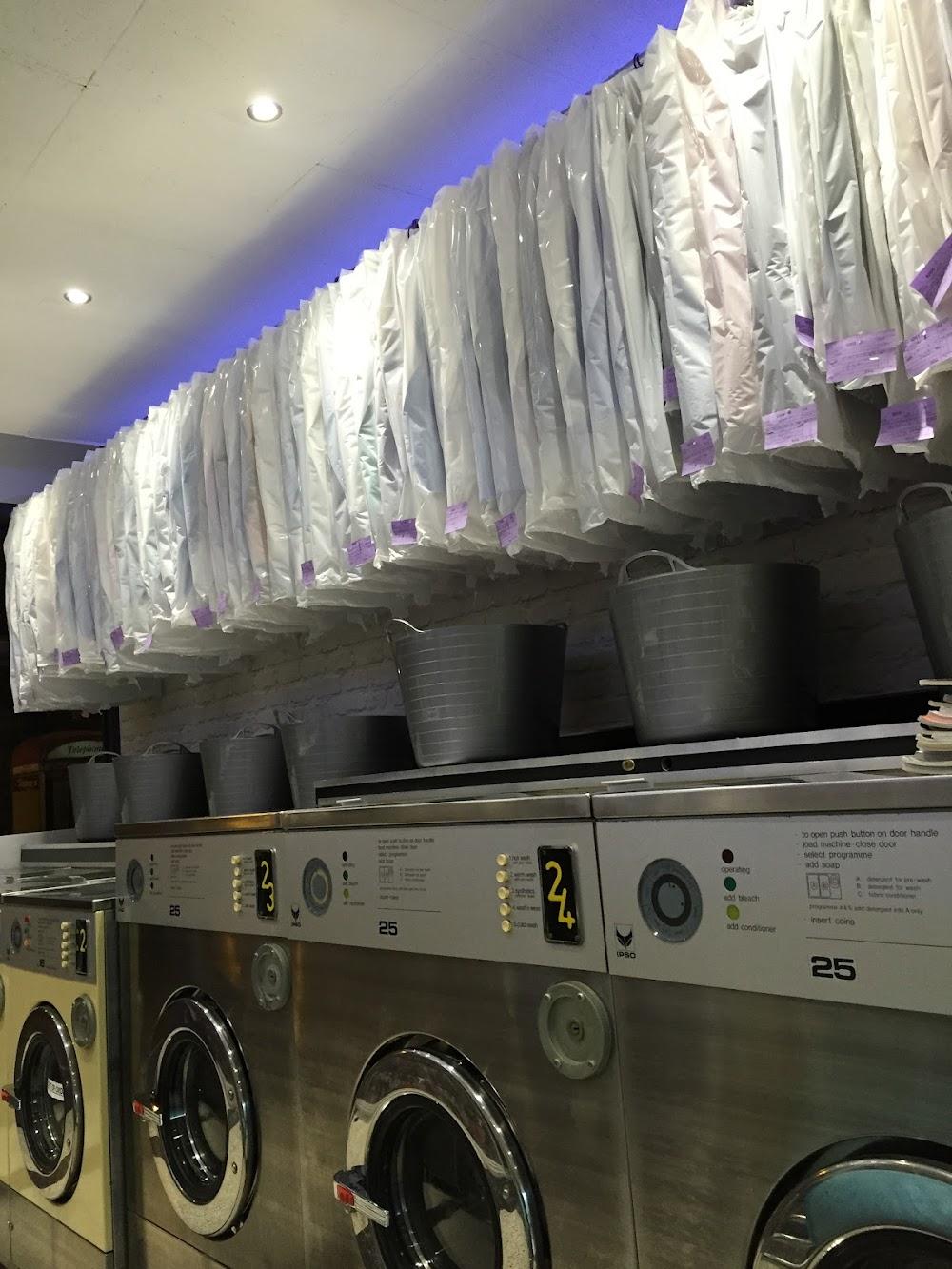
Explore premium Line Laundry in London, from wash and fold to delicate garment care, with practical advice on prices, fabric care and collection.
A homeowner in Chelsea had a wardrobe full of clothes but very little time to care for them. Work shirts needed pressing before Monday, a cashmere jumper had lost its fresh feel, and a wool coat had picked up marks during a wet walk. A silk dress was also waiting to be prepared for a family dinner. Washing everything together seemed quick, but one wrong setting could damage a much-loved item.
The homeowner needed a Line Laundry service that could handle everyday washing while giving delicate garments the right attention. Price mattered, but so did clear advice, careful finishing and collection times that fitted a busy week.
Many London households face the same challenge. Clothing care involves more than putting items in a machine. You need to understand fabric labels, choose suitable cleaning methods, plan around the weather and know what a service includes before booking. This guide follows the Chelsea homeowner’s decisions to explain the main laundry options, current example prices, ways to protect your wardrobe and the checks that help you choose a service for your home.
The homeowner began by sorting the laundry into everyday items and garments that needed closer attention. Cotton T-shirts, socks and gym clothes went into one group, while the cashmere jumper, wool coat and silk dress were set aside. This simple step helped prevent a delicate piece from being treated like an ordinary wash load.
Everyday laundry often suits a wash-and-fold service. Suitable items may include casual clothing, towels, sheets and other household textiles, depending on the provider’s rules. The service can take washing, drying and folding off your weekly task list, leaving clothes ready to put away.
Fine garments need a more careful decision. Silk, cashmere, lined jackets and decorated dresses may react differently to water, heat, friction and cleaning products. A structured jacket can contain several layers, while a dress may have beads, delicate stitching or trims that need inspection before treatment.
The International Wool Textile Organisation’s wool care guidance, updated in 2024, advises people to follow care labels and notes that some wool garments can be refreshed by airing instead of washing after every wear. This is useful advice for knitwear that is not stained or heavily soiled.
The Chelsea homeowner decided to use regular laundry for suitable everyday pieces and request separate assessment for the dress and coat. Why risk a favourite garment by assuming one cleaning method suits every fabric?
Check the care label before deciding how an item should be cleaned.
Separate delicate garments when their labels call for specialist treatment.
Tell the cleaner about stains, repairs or home treatments before work begins.
Air suitable wool garments between wears when they do not need washing.
The right routine starts with the garment itself, not the size of the laundry basket.
After sorting the clothes, the homeowner looked at the weekly schedule. There was little time for repeated trips to a shop, but some items needed more than routine washing. The best plan was to match each service to the type of clothing and the time available.
Summary: Suitable everyday clothing and household textiles are washed, dried and returned folded.
Cost range: BLANC Living lists regular orders from £5 per kilogram and one-off orders from £8.30 per kilogram.
Best for: Busy households with recurring loads of everyday laundry.
Main drawback: Silk, cashmere, tailored suits and dry-clean-only items need separate care.
Summary: Shirts are cleaned and finished for wearing, with hanging or folded options depending on the service.
Cost range: BLANC Living lists men’s shirts on hangers from £3.12 each for orders of five or more.
Best for: People who wear work shirts or formal shirts several days a week.
Main drawback: The price depends on order size, shirt type and the chosen finish.
Summary: Individual garments are assessed according to their fabric, construction, condition and care instructions.
Cost range: Published BLANC Living starting prices include £9.80 for a delicate blouse and £18.60 for a dress.
Best for: Silk, wool, structured clothing and selected occasion wear.
Main drawback: Some pieces need an individual quote or longer turnaround.
Summary: Coats and jackets receive treatment suited to their materials and construction.
Cost range: BLANC Living lists standard coats from £24.90, with specialist outerwear priced separately.
Best for: Wool coats and frequently worn outerwear that need professional attention.
Main drawback: Leather, suede and some designer items may require extra time and assessment.
These are published starting prices, not guaranteed totals for every item. Check the current BLANC Living price guide before booking, and ask for confirmation if your garment has special details.
The homeowner chose regular wash and fold for suitable everyday items, shirt service for office wear and separate assessment for the coat and dress. A general laundry service may be enough for routine loads, while a provider with specialist garment care can also handle pieces that need individual attention.
The homeowner checked the expected total before confirming the collection. The everyday laundry had a weight-based price, while the dress and coat had individual starting prices. This made the bill easier to understand and helped the household decide which items needed professional treatment that week.
Several factors can affect the final cost:
Order size: BLANC Living lists wash and fold from £5/kg for regular weekly or fortnightly orders and £8.30/kg for one-off orders.
Shirt quantity: Men’s shirts on hangers start at £3.12 each for five or more, while smaller orders start at £3.90 each.
Garment type: Published prices start at £9.90 for trousers, £18.60 for a dress and £24.90 for a standard coat.
Specialist materials: Leather jackets, down-filled coats and designer outerwear have different starting prices because their care needs vary.
Additional work: Stain treatment, delicate trims, repairs or express requests may affect the quote, so ask before approving extra work.
The prices above come from BLANC Living’s current online guide and may change. Review the latest laundry and garment prices before making a decision.
The mark on the Chelsea homeowner’s coat needed special attention. The homeowner explained where it came from and mentioned a home treatment that had already been tried. This helped the cleaner assess the item, although no cleaning process can promise that every stain will disappear.
Before booking, ask whether collection and delivery are included, whether there is a minimum order and when the final price will be confirmed. A low starting price is useful, but it does not tell you the full cost of a service. Clear pricing makes it easier to plan laundry around the household budget.
The following week, the homeowner returned from a rainy journey with damp shoulders and marks near the hem of the wool coat. Instead of putting it straight back into the wardrobe, the coat was left to dry in a ventilated space. This small habit can help prevent damp clothing from being stored before it is ready.
The Met Office’s Heathrow climate averages for 1991–2020 record 614.98 mm of annual rainfall and 111.66 days with at least 1 mm of rain. These figures apply to Heathrow rather than every London neighbourhood, but they show how often wet conditions can affect clothing in the area.
The homeowner added a few simple care habits to the weekly routine.
Let wet coats dry naturally in a ventilated area before putting them away.
Avoid direct heat unless the garment’s care label says it is suitable.
Air wool knitwear between wears when it is clean and does not need washing.
Check pockets and remove loose dirt before sending clothing for care.
Store seasonal garments only when they are clean and completely dry.
These steps will not prevent every sign of wear, but they can reduce avoidable stress on fibres and seams. Repeated washing is not always necessary, particularly for wool garments that can be refreshed between wears. The care label should guide the decision, and stains or persistent odours may need a different response.
The homeowner began checking the coat after wet journeys and airing the jumper between wears. The silk dress was kept separate until it needed professional attention. This approach made the laundry routine more deliberate and helped avoid sending every garment for the same treatment.
The homeowner’s final step was to check how the service worked. Convenience was important, but so was knowing who would inspect the dress, how the coat would be handled and whether extra work would be discussed first. Those questions are worth asking before sending away valuable clothing.
Use this checklist when comparing Line Laundry providers:
Confirm that your postcode is covered and ask about collection windows and turnaround times.
Check whether everyday washing and specialist garment care are offered as separate services.
Ask how the provider inspects garments and records existing stains or damage.
Request clear starting prices and confirmation before extra work is approved.
Find out whether garments are cleaned in-house or sent to another business.
Read recent customer feedback and check how the provider handles questions or complaints.
There is also a local rule for businesses to consider. Hackney Council states that an environmental permit is needed to operate a dry-cleaning machine at premises within its jurisdiction. Receiving shops without a dry-cleaning machine do not need the same permit for that reason. Requirements depend on the activity and location, so operators should check the rules that apply to their premises.
This is mainly a business responsibility, but customers can still ask where their clothes are processed and what cleaning methods are used. BLANC Living states that its garment care is handled at its own Atelier and that it uses liquid CO₂ and wet cleaning rather than PERC. Its published service details provide a starting point for understanding the available methods.
The Chelsea homeowner confirmed the collection and agreed that any extra treatment should be discussed before proceeding. The new routine worked because it matched the service to the garment, rather than expecting every item to follow one process.
What does Line Laundry include?
Line Laundry may refer to everyday washing, wash and fold, shirt finishing, collection and delivery or specialist garment care. The exact services vary by provider. Check the service list before booking, especially if your order includes delicate fabrics, household textiles or garments marked dry-clean-only.
Can Line Laundry handle silk and cashmere?
Silk and cashmere need methods suited to their fibres and construction. They should not automatically be placed in a standard wash-and-fold load. Check the care label and ask for specialist assessment if the item has delicate trims, stains or a dry-clean-only instruction.
Is laundry collection available in Chelsea?
Some providers serve Chelsea and nearby parts of London, but coverage depends on your postcode and the service selected. Check available collection windows, order minimums and delivery terms before booking. Confirm the expected return date if you need an outfit for a specific event.
How much does premium laundry cost in London?
Prices depend on weight, garment type and the service requested. BLANC Living lists regular wash and fold from £5 per kilogram and one-off orders from £8.30 per kilogram. Individual garments have separate starting prices, so check the current price guide before ordering.
Why can specialist garment care cost more?
A delicate garment may need closer inspection, a different cleaning method or careful finishing. Fabric, lining, decoration, stains and condition can affect the work involved. Ask for a quote before approving extra treatment, especially for valuable clothing or occasion wear.