English
 Arabic
 French
 Spanish
 Portuguese
 Deutsch
 Turkish
 Dutch
 Italiano
 Russian
 Romaian
 Portuguese (Brazil)
 Greek

Exploring Chrome Hearts Leather Fashion Essentials
Shopping |
2026-10-26 11:23:49
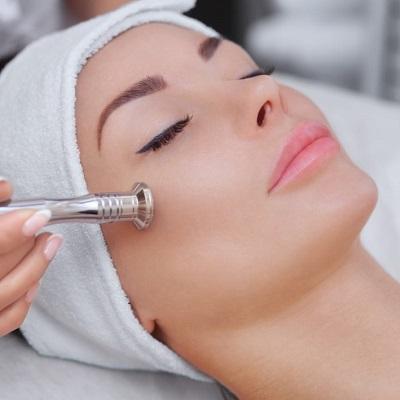
Microdermabrasion is a popular non-invasive skin treatment designed to improve skin texture, reduce the appearance of dullness, and promote a smoother complexion. It is commonly chosen by people who want to refresh their skin without undergoing an intensive cosmetic procedure. Although the treatment is generally well tolerated when performed correctly, it may not suit every skin type or skin condition.
One common concern among people considering this treatment is whether microdermabrasion can actually make their skin worse. The answer is yes, it can cause temporary irritation or aggravate certain existing skin problems, particularly when the skin is sensitive, inflamed, or treated too aggressively. However, the risk depends on several factors, including skin condition, treatment intensity, aftercare, and the experience of the person performing the procedure.
Understanding how Microdermabrasion works, what side effects to expect, and how to protect the skin afterward can help individuals make informed decisions about their skincare routine.
Microdermabrasion is a cosmetic exfoliation procedure that removes some of the dead cells from the outermost layer of the skin. It typically uses a handheld device with a diamond-tipped surface or fine crystals to exfoliate the skin gently while a suction mechanism removes loosened skin cells and debris.
The treatment is commonly used to improve the appearance of rough texture, mild uneven pigmentation, enlarged-looking pores, and superficial signs of aging. It may also help skincare products spread more evenly across the skin by removing accumulated dead cells.
Unlike more intensive resurfacing procedures, microdermabrasion does not deliberately penetrate deeply into the skin. Most people experience little discomfort and can return to their usual activities shortly afterward.
Nevertheless, exfoliation temporarily affects the skin's protective outer layer. If too much exfoliation occurs, the skin may become irritated, dry, or more sensitive than usual. This is why treatment intensity and proper technique are important.
Microdermabrasion can improve the appearance of certain superficial concerns, but it is not a guaranteed solution for deep acne scars, significant wrinkles, or persistent pigmentation. Understanding its limitations helps prevent unrealistic expectations and unnecessary repeat treatments.
Microdermabrasion can make the skin look or feel worse, especially during the first few days after treatment. Mild redness, tightness, dryness, and sensitivity are possible side effects. These reactions are generally temporary and should gradually improve.
Problems are more likely when the treatment is too aggressive, performed too frequently, or used on skin that is already irritated. A person's existing skincare routine can also influence how the skin responds.
Some potential issues include the following.
Increased redness and irritation: The skin may appear flushed or feel warm after exfoliation. Although mild redness is common, intense or persistent redness may indicate excessive irritation.
Dryness and flaking: Removing too many surface skin cells can temporarily interfere with moisture retention. The skin may feel tight, rough, or flaky as a result.
Breakouts: Some individuals notice new blemishes after treatment. These may be related to irritation, friction, or products applied afterward. Breakouts should not automatically be considered a normal detoxification process.
Increased sensitivity: The skin may become more reactive to sunlight, fragranced products, retinoids, and exfoliating ingredients. Products that were previously well tolerated may suddenly cause stinging or burning.
Changes in pigmentation: Inflammation can sometimes trigger post-inflammatory hyperpigmentation, particularly in people whose skin is prone to dark marks after irritation. Excessive treatment or inadequate sun protection may increase this risk.
These effects do not occur in everyone. When microdermabrasion is performed appropriately on suitable skin, many people experience only mild, short-lived redness or sensitivity.
However, worsening discomfort, swelling, blistering, severe pain, or spreading redness should not be ignored. Such symptoms warrant prompt medical assessment rather than additional exfoliation.
Although microdermabrasion is suitable for many people, certain skin conditions can increase the likelihood of an adverse reaction. Assessing the skin before treatment is essential for reducing avoidable problems.
People with active acne: Microdermabrasion may be unsuitable when the skin has numerous inflamed pimples, painful cysts, or open lesions. Friction and suction can aggravate inflamed areas. It is also not a primary treatment for severe inflammatory acne.
People with rosacea or highly sensitive skin: Rosacea-prone skin can react to friction and physical exfoliation. Individuals who experience frequent flushing, burning, or persistent redness should seek professional guidance before considering the procedure.
People with eczema or psoriasis flare-ups: Inflamed, cracked, or irritated skin has a weakened protective barrier. Exfoliating these areas may worsen discomfort and inflammation.
People with broken skin or active infections: Cuts, cold sores, open wounds, and other active skin infections should be assessed before any resurfacing treatment. The procedure may worsen irritation or interfere with healing.
People who recently underwent other skin treatments: Chemical peels, laser procedures, waxing, and the use of strong topical treatments can leave the skin temporarily vulnerable. Combining procedures too closely may increase the risk of irritation.
People with a history of dark marks following inflammation should also exercise caution. This is especially important for individuals with medium to deep skin tones, in whom post-inflammatory pigmentation may be more noticeable or persistent.
A qualified skincare professional should assess the skin's condition, medical history, current products, and treatment goals before recommending microdermabrasion. In some cases, a gentler alternative may be more appropriate.
The treatment itself is not always the only cause of poor results. Certain mistakes before and after the procedure can increase irritation and delay recovery.
Over-exfoliating the skin: Repeating microdermabrasion too frequently can damage the skin's protective barrier. The skin needs adequate time to recover between sessions. Treatment frequency should be determined by skin response and professional assessment rather than a rigid schedule.
Using strong skincare ingredients too soon: Retinoids, glycolic acid, salicylic acid, and other exfoliating ingredients may cause additional irritation when introduced immediately after treatment. The appropriate pause depends on the product, treatment intensity, and individual skin condition.
Skipping sunscreen: The skin may be more sensitive to sunlight following exfoliation. Exposure can worsen redness and contribute to uneven pigmentation. Broad-spectrum sunscreen with SPF 30 or higher is an important part of post-treatment care.
Scrubbing or picking at flaky skin: Trying to remove peeling skin manually can cause further irritation, small wounds, and dark marks. Gentle cleansing and regular moisturization are safer choices.
Using irritating skincare products: Fragranced products, alcohol-heavy formulations, and harsh cleansers may sting or dry out recently treated skin. A simple routine is usually better during recovery.
Expecting immediate, dramatic results: Microdermabrasion generally produces gradual improvements in superficial skin texture rather than dramatic changes in deep scars or wrinkles. Repeating the procedure excessively to achieve faster results can do more harm than good.
Avoiding these mistakes can help protect the skin barrier and support a more comfortable recovery.
Proper aftercare is one of the most important steps in reducing the risk of irritation after microdermabrasion. The main priorities are to maintain moisture, avoid unnecessary friction, and protect the skin from environmental stressors.
Use a gentle cleanser: A mild, fragrance-free cleanser can remove dirt and oil without stripping away too much moisture. Hot water, rough washcloths, and vigorous rubbing should be avoided.
Apply a suitable moisturizer: A gentle moisturizer containing ingredients such as ceramides, glycerin, or hyaluronic acid can help support hydration. A comfortable, non-irritating formula is preferable to products containing multiple active ingredients.
Protect the skin from the sun: Apply broad-spectrum SPF 30 or higher sunscreen and reapply as directed, particularly when spending time outdoors. Hats, shade, and protective clothing can provide additional support.
Pause potentially irritating products: Retinoids, exfoliating acids, abrasive scrubs, and other strong active ingredients may need to be avoided temporarily. The length of the break should reflect the skin's condition and the advice provided by the treating professional.
Avoid excessive heat and friction: If the skin is red or sensitive, temporarily avoiding very hot showers, saunas, and strenuous activities that trigger substantial flushing may improve comfort.
Monitor the skin's response: Mild redness and tightness should gradually settle. Persistent or worsening irritation, marked swelling, blistering, or significant pain requires medical advice. Pus, spreading warmth, or fever may indicate a more serious problem and should be assessed promptly.
The skin should not be exfoliated again while it remains irritated. Allowing the protective barrier to recover is more important than maintaining a predetermined treatment schedule.
Microdermabrasion can be useful for people seeking a relatively gentle treatment for superficial skin concerns. However, its benefits should be considered alongside its limitations.
Potential benefits include smoother-feeling skin, temporary improvement in dullness, a more refined surface texture, and a reduction in the appearance of some superficial unevenness. Some individuals also appreciate that the procedure usually involves little downtime compared with more intensive resurfacing treatments.
Results vary according to skin type, the condition being treated, treatment technique, and the number of sessions. Improvements are generally more noticeable for surface-level concerns than for deep structural changes.
Microdermabrasion does not permanently shrink pores, remove deep acne scars, eliminate all pigmentation, or stop the natural aging process. It may also be unsuitable for people whose primary concern is active inflammatory acne, persistent facial redness, or a compromised skin barrier.
Alternative treatments may be more appropriate depending on the concern. For example, gentle skincare and appropriate acne treatments may be better suited to active breakouts, while persistent pigmentation or deeper scars may require a different approach after professional assessment.
The most suitable treatment is the one that addresses the individual's skin concern without creating unnecessary irritation. Microdermabrasion should therefore be viewed as one possible option rather than a universal solution for every skin type.
1. Can microdermabrasion cause acne breakouts?
Yes, some individuals may experience breakouts after microdermabrasion. Irritation, friction, or products applied after treatment may contribute. However, breakouts are not inevitable, and new blemishes should not automatically be considered a normal purging process. Persistent or painful acne should be assessed before further treatment.
2. How long does redness last after microdermabrasion?
Mild redness often improves within several hours to about a day, although some people may remain sensitive for longer. The duration depends on skin sensitivity and treatment intensity. Redness that worsens, persists unusually long, or occurs with swelling or significant pain should be evaluated.
3. Can microdermabrasion damage the skin barrier?
Yes. Excessive pressure, frequent sessions, or treating already irritated skin can disrupt the protective skin barrier. This may cause dryness, tightness, burning, and increased sensitivity. Gentle aftercare and allowing enough recovery time can reduce the risk.
4. Is microdermabrasion safe for sensitive skin?
It may not be suitable for everyone with sensitive skin. People with rosacea, eczema, frequent irritation, or a history of pigmentation after inflammation should seek professional advice before treatment. A gentler skincare approach may be preferable in some cases.
5. Can microdermabrasion make dark spots worse?
It can worsen dark spots in some individuals if the procedure causes inflammation, particularly when the skin is prone to post-inflammatory hyperpigmentation. Sun exposure can also contribute to uneven pigmentation. Appropriate treatment selection, gentle aftercare, and consistent sun protection are important.
6. What should someone do if their skin looks worse after microdermabrasion?
The person should stop exfoliating, use a gentle cleanser and moisturizer, protect the skin from sunlight, and avoid potentially irritating active ingredients until the skin settles. Severe pain, blistering, increasing swelling, spreading redness, or signs of infection require prompt medical assessment. Persistent changes in pigmentation or texture should also be evaluated before another session.
Microdermabrasion can improve the appearance of dullness and superficial skin texture, but it is not entirely risk-free. When the treatment is too aggressive, performed on unsuitable skin, or followed by harsh skincare practices, it can cause irritation, dryness, breakouts, and pigmentation changes.
The best way to reduce these risks is to understand the skin's needs, choose an appropriate treatment approach, and follow gentle aftercare. People with active inflammation, highly sensitive skin, or a history of pigmentation should be particularly cautious.
Ultimately, healthier-looking skin depends on more than exfoliation alone. A consistent skincare routine, adequate hydration, sun protection, and realistic treatment expectations can help support the skin's natural protective barrier and long-term appearance.
Read More About Microdermabrasion: https://sohomoy.com/blogs/73919/Microdermabrasion-vs-Microneedling-Key-Differences