English
 Arabic
 French
 Spanish
 Portuguese
 Deutsch
 Turkish
 Dutch
 Italiano
 Russian
 Romaian
 Portuguese (Brazil)
 Greek

Cómo elegir el número correcto en calzado comme des garçons converse
Shopping |
2026-10-07 09:34:26
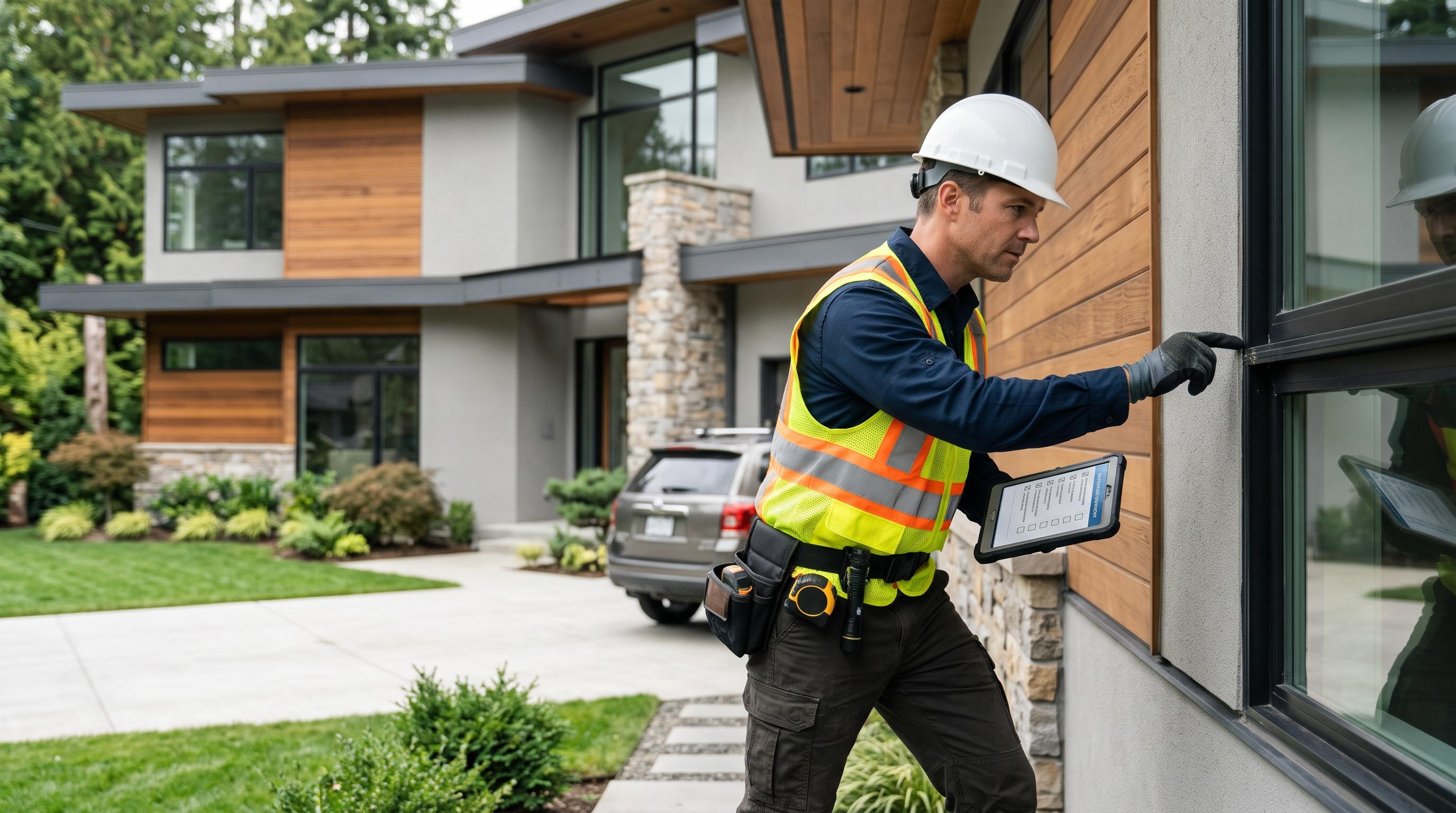
Building Inspection is an important process for evaluating a property's condition, safety, and overall quality. It helps property owners, buyers, landlords, tenants, and investors identify visible defects, maintenance issues, and potential risks before they become expensive problems. A professional building inspection may cover structural elements, walls, roofs, flooring, plumbing, electrical systems, ventilation, and other important components. It is particularly valuable when purchasing a property, completing construction, preparing a building for occupancy, or planning renovations. Understanding how building inspection works can help you make informed property decisions, avoid unexpected repair costs, and maintain a safer and more reliable building over time.
Building inspection is a systematic assessment of a building's visible condition and relevant construction features. The purpose is to identify defects, evaluate workmanship, highlight potential safety concerns, and determine whether particular components require repair or further investigation. Depending on the property's purpose, age, and location, an inspection may focus on structural integrity, building materials, moisture problems, electrical installations, plumbing, fire safety, or general maintenance. A qualified building inspector examines accessible areas, records observations, and prepares a report explaining the findings. The exact scope depends on the inspection agreement and applicable local requirements. An inspection does not automatically guarantee that every hidden defect will be discovered, but it provides useful information for making property-related decisions.
Building inspection helps prevent avoidable problems by identifying visible defects and potential safety concerns before they become more serious. For property buyers, it provides a clearer understanding of the building's condition before making a financial commitment. For property owners, it supports maintenance planning and helps prioritize necessary repairs. Landlords can use inspection findings to address maintenance issues, while investors can better assess potential renovation costs and property risks. Inspections can also help identify workmanship concerns during construction or renovation. Although an inspection cannot guarantee that a building is free from every defect, it provides valuable information that supports safer decisions and more effective property management.
A building inspector examines accessible parts of a property to evaluate their visible condition and identify potential problems. The assessment may include the foundation, walls, ceilings, roof, floors, doors, windows, drainage, plumbing, ventilation, and electrical installations, depending on the agreed scope. Inspectors may also look for signs of moisture intrusion, cracks, damaged finishes, poor workmanship, and inadequate maintenance. For new construction, the inspection may focus on whether the work follows approved plans and applicable building requirements. Some inspections require specialist assessments for structural engineering, electrical safety, or other technical matters. The inspector records relevant observations and explains which concerns may require repairs, additional testing, or further professional evaluation.
Different types of building inspection serve different purposes, depending on the property's condition, use, and stage of development. A pre-purchase inspection helps buyers understand the condition of a property before completing a transaction. A construction inspection evaluates building work during important stages of a project, while a handover inspection identifies visible defects before a property is accepted from the developer or contractor. Maintenance inspections help owners identify deterioration and plan repairs. Commercial building inspections may assess offices, retail spaces, warehouses, and other business premises. Specialized inspections can focus on structural integrity, moisture, fire safety, or building systems. Choosing the right inspection depends on the property's requirements and the specific information the client needs.
A building inspection is valuable for anyone planning to purchase a house, apartment, villa, or commercial property. It helps reveal visible defects that may not be obvious during an ordinary viewing, such as water damage, deteriorating finishes, damaged roofing, or signs of movement in walls. The inspection report can help buyers understand the property's maintenance needs and estimate potential repair expenses. It may also provide useful information for discussing repair arrangements with the seller. Buyers should arrange the inspection early enough to review the findings before finalizing the transaction. Because an ordinary inspection may not include hidden areas or specialist testing, additional assessments may be necessary if the inspector identifies significant concerns.
Construction inspections help assess the quality and compliance of building work as a project progresses. Depending on local regulations and the approved inspection plan, assessments may take place before foundations are covered, during structural work, after the installation of important systems, and when construction is nearing completion. Inspectors review accessible work, compare relevant details with approved plans, and record potential defects or non-compliant elements. Identifying problems before they become concealed can make corrective work easier and reduce the risk of costly repairs later. The exact inspection stages vary by jurisdiction and project type, so property owners and contractors should confirm the applicable requirements with the relevant building authority or qualified professional.
Structural inspection focuses on the visible condition and performance of important load-bearing elements, including foundations, columns, beams, slabs, and structural walls. Inspectors may look for unusual cracks, deformation, settlement, corrosion, or other signs that could indicate a structural concern. Not every crack indicates serious damage, but changes in its width, location, or pattern may justify further investigation. If a potential structural defect is identified, a qualified structural engineer may need to conduct a more detailed assessment. Structural inspection is particularly important for older buildings, properties showing signs of movement, and structures that have experienced water damage, impact, or unauthorized alterations. Timely professional evaluation can help reduce safety risks.
Moisture problems can damage building materials, weaken finishes, encourage mold growth, and create unpleasant indoor conditions. During a building inspection, the inspector may look for water stains, peeling paint, damp patches, damaged ceilings, leaking pipes, and signs of water entering through roofs, windows, or external walls. Poor drainage and inadequate waterproofing can also contribute to moisture problems. The visible symptoms may not reveal the full source of the issue, so further testing may be necessary when moisture is suspected behind walls or beneath flooring. Finding and correcting the source of water intrusion is important because cosmetic repairs alone may not prevent the damage from returning.
Building inspection may include a review of accessible electrical, plumbing, and ventilation components, depending on the inspection agreement and the inspector's qualifications. Electrical observations may identify damaged visible fittings, exposed wiring, or other apparent concerns, but a detailed electrical safety assessment may require a licensed electrician. Plumbing checks can focus on visible leaks, drainage problems, water pressure concerns, and signs of water damage around fixtures. Ventilation assessments may consider airflow, visible ventilation equipment, and signs of condensation. These systems contribute to the building's comfort, safety, and functionality. When an inspection reveals a potential problem, the owner should arrange appropriate testing or repair by a qualified specialist.
A handover inspection takes place before a buyer or owner accepts a newly built or renovated property from a developer or contractor. It focuses on visible defects, incomplete work, finishing quality, and components that may not meet the agreed specifications. The inspector may review paintwork, flooring, doors, windows, cabinets, sanitary fittings, electrical fixtures, plumbing fixtures, and other accessible areas. Findings are recorded in a report or defect list so the responsible party can address outstanding issues. A handover inspection can help reduce disputes by documenting the property's visible condition before acceptance. However, it does not replace statutory approvals, specialist testing, or other documentation required by the relevant authority or contract.
A building inspection report summarizes the inspector's observations and highlights defects, maintenance concerns, and areas that may require further investigation. Depending on the service, the report may describe the property's general condition, identify affected building components, include photographs, and recommend suitable next steps. Important findings should be explained clearly so the client understands their possible significance. Some reports classify issues by urgency or severity, helping owners decide which repairs should receive priority. The report should also clarify any limitations, such as inaccessible roof spaces, concealed plumbing, or areas that could not be examined safely. A clear report helps buyers, owners, and property managers plan repairs and make informed decisions.
Choosing a suitable building inspector involves checking their qualifications, relevant experience, professional credentials, and familiarity with the type of property being assessed. Ask what the inspection includes, which areas are excluded, whether photographs and a written report are provided, and whether additional testing costs extra. It is also useful to understand whether the inspector can assess the property's particular construction type and whether specialist professionals may be needed for complex concerns. A professional inspector should explain findings clearly, remain objective, and avoid making claims beyond their competence. Comparing the inspection scope and service quality can help you select a provider who offers useful information rather than simply the lowest price.
The cost of building inspection depends on the property's size, age, location, complexity, and intended use. Larger properties or buildings with complicated systems may require more time to examine. Specialized assessments, such as structural investigations, moisture testing, or detailed electrical evaluations, can also increase the total cost. The inspector's qualifications, reporting requirements, accessibility of the property, and urgency of the appointment may affect pricing. Before booking, request a written quotation that explains the included services, exclusions, and possible additional charges. Comparing quotations on the basis of scope and professional expertise can help you understand the value offered. The cheapest inspection may not provide the level of detail your property requires.
Building inspection is a professional assessment of a property's visible condition, construction quality, and potential defects. It helps identify maintenance concerns, safety issues, and areas that may require repair or further investigation.
A building inspection helps you understand the property's condition before buying, selling, renovating, or accepting a completed building. It can reveal visible defects and support better maintenance planning and financial decisions.
You can arrange an inspection before purchasing a property, during construction, before handover, after significant damage, or as part of routine maintenance. The appropriate timing depends on the property's condition and your purpose.
An inspector may identify visible cracks, moisture damage, roof defects, poor workmanship, damaged finishes, drainage concerns, and other accessible issues. Hidden defects may require specialist testing or further investigation.
The time required depends on the property's size, condition, complexity, and inspection scope. A larger or more complex building may require a longer assessment, and preparing the report may take additional time.
A new property can still contain incomplete work, finishing defects, installation problems, or construction concerns. An independent inspection before handover can help identify visible issues that should be addressed.
A general building inspection examines a range of accessible building components and visible defects. A structural inspection focuses more specifically on load-bearing elements and potential structural concerns, often requiring a qualified structural engineer.
Review the findings, prioritize urgent safety concerns, and request specialist assessments where recommended. You can then obtain repair quotations, discuss relevant issues with the seller or contractor, and develop a suitable maintenance plan.
Building Inspection is an important part of responsible property ownership, purchasing, construction, and maintenance. It helps identify visible defects, evaluate workmanship, highlight potential safety concerns, and provide a clearer understanding of a building's condition. From structural components and moisture problems to plumbing, electrical installations, and finishing quality, an inspection can reveal issues that might otherwise go unnoticed. Selecting a qualified inspector and reviewing the report carefully can help you prioritize repairs, manage costs, and make informed property decisions. Although an inspection cannot guarantee that every hidden problem will be found, it provides valuable information for protecting property value, improving maintenance planning, and supporting a safer building environment.