English
 Arabic
 French
 Spanish
 Portuguese
 Deutsch
 Turkish
 Dutch
 Italiano
 Russian
 Romaian
 Portuguese (Brazil)
 Greek

Growing Demand for Dental Restorations Strengthens the North America Dental Lab Market
Health |
2026-10-27 11:08:52
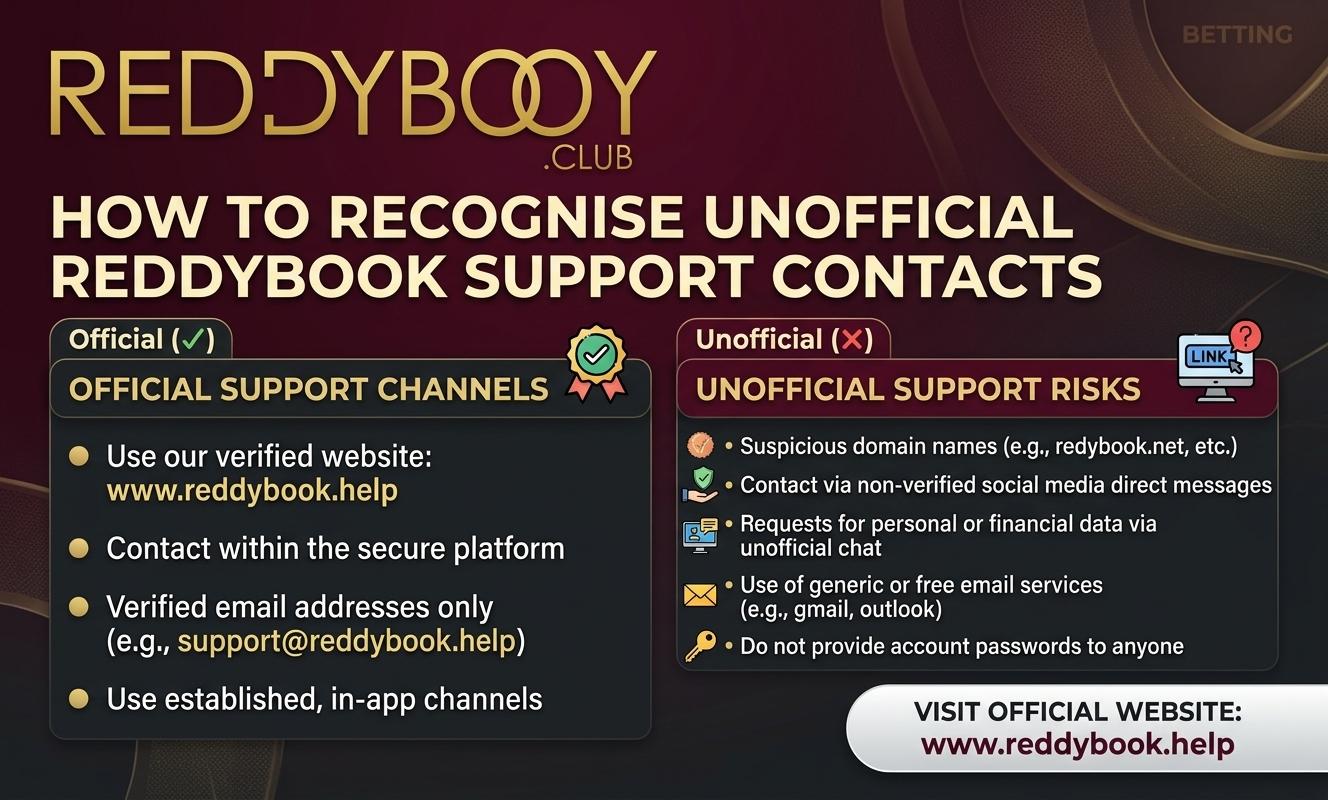
Finding the right support channel is important when users face account or access-related concerns. Reddybook users may come across different contact numbers, messaging accounts, and websites while looking for assistance. However, not every contact claiming to provide customer support is genuine. Knowing how to recognise unofficial representatives can help users protect their personal information and avoid unnecessary risks.
When users experience account problems, they often look for quick solutions. As a result, they may contact the first number or profile they find online. Unfortunately, unofficial representatives can take advantage of this urgency.
A suspicious contact may claim to offer account recovery, verification, or technical assistance. However, sharing information without checking the source can create security problems.
Before contacting anyone, users should understand that:
A familiar brand name does not automatically prove that a contact is genuine.
Social media profiles may use copied logos and descriptions.
Unverified individuals may request personal or account-related information.
Quick promises and pressure tactics deserve extra attention.
Therefore, checking the source before starting a conversation is a sensible first step.
Recognising suspicious communication becomes easier when users know what to look for. Here are seven warning signs worth considering.
A contact number shared in a random comment, public group, or unrelated website should not be trusted automatically. Even if the profile displays the correct brand name, it may have no official connection.
Always check whether the contact details appear on a verified platform or an authorised communication channel.
Legitimate technical assistance should not require users to reveal their passwords or share confidential login information.
Be particularly careful if someone asks for:
Account passwords.
One-time verification codes.
Personal identification documents without a clear reason.
Sensitive payment information.
Remote access to your device.
Never share these details simply because someone claims to represent customer support.
Some suspicious contacts promise immediate solutions to every account problem. They may claim they can restore access, change registered details, or resolve verification issues within minutes.
However, genuine technical processes may require proper checks. Therefore, avoid trusting unrealistic guarantees, especially when someone demands payment before explaining the process.
Unofficial support pages sometimes copy the appearance of established websites. Nevertheless, small differences can reveal warning signs.
Check the website address, spelling, contact information, privacy policy, and overall consistency. Also, avoid clicking shortened or unfamiliar links received through unsolicited messages.
A suspicious representative may create urgency by claiming that your account will become inactive unless you respond immediately.
This approach discourages users from checking information independently. Instead of reacting quickly, pause the conversation and verify the contact through a trusted source.
Be cautious if someone asks you to transfer money to a personal account for technical assistance, verification, or account recovery.
Before considering any payment, review the platform's published policies. Never rely on verbal promises or screenshots as proof of an authorised transaction.
Pay attention when a representative provides different answers about account procedures, verification requirements, or support timings.
For example, one contact may request information that another source says should remain private. Such inconsistencies deserve further investigation.
Before sharing any information, take a few practical steps to check the source.
Check the official website: Start with the website address you already trust. Look for published support information rather than relying on contact details shared by strangers.
Review the contact's identity: Check whether the profile or number appears through an independently verified channel. A logo or brand name alone is not sufficient evidence.
Compare the information: Make sure the instructions match the published account and security guidelines.
Avoid unfamiliar links: Do not enter account details on pages received through unsolicited messages. Type the verified website address directly into your browser.
Keep records: Save suspicious messages, phone numbers, and screenshots. These details may help when reporting a potential impersonation attempt.
These checks also apply when searching for Reddybook login assistance or information related to a Reddybook ID.
If you realise that a contact may be misleading, stop communicating immediately. Do not share additional details or follow further instructions.
Instead, take these precautions:
Stop responding to suspicious messages and avoid opening their links.
Change your password if you have shared it or suspect unauthorised access.
Review your account activity, where available.
Contact the platform through independently verified support information.
Report the suspicious number, profile, or website to the relevant service.
If you use the Reddybook app, download it only from a source you can independently verify.
Even careful users can overlook warning signs when they need quick assistance. Avoid these common mistakes:
Trusting contacts simply because they use familiar branding.
Sharing verification codes to speed up account-related processes.
Assuming every search result represents an official support channel.
Sending personal information through unknown messaging accounts.
Ignoring suspicious activity after receiving an unusual message.
Taking a few extra minutes to verify information can prevent avoidable security problems.
Identifying unofficial support contacts requires attention, patience, and basic online safety awareness. Reddybook users should verify contact details independently, avoid sharing confidential information, and question unusual requests. Most importantly, never let urgency replace careful checking. A cautious approach helps protect account information and makes online interactions safer.