English
 Arabic
 French
 Spanish
 Portuguese
 Deutsch
 Turkish
 Dutch
 Italiano
 Russian
 Romaian
 Portuguese (Brazil)
 Greek

Spider T-Shirts Elevate Your Streetwear Style with Bold, Trendy Fashion
Shopping |
2026-10-14 15:27:21
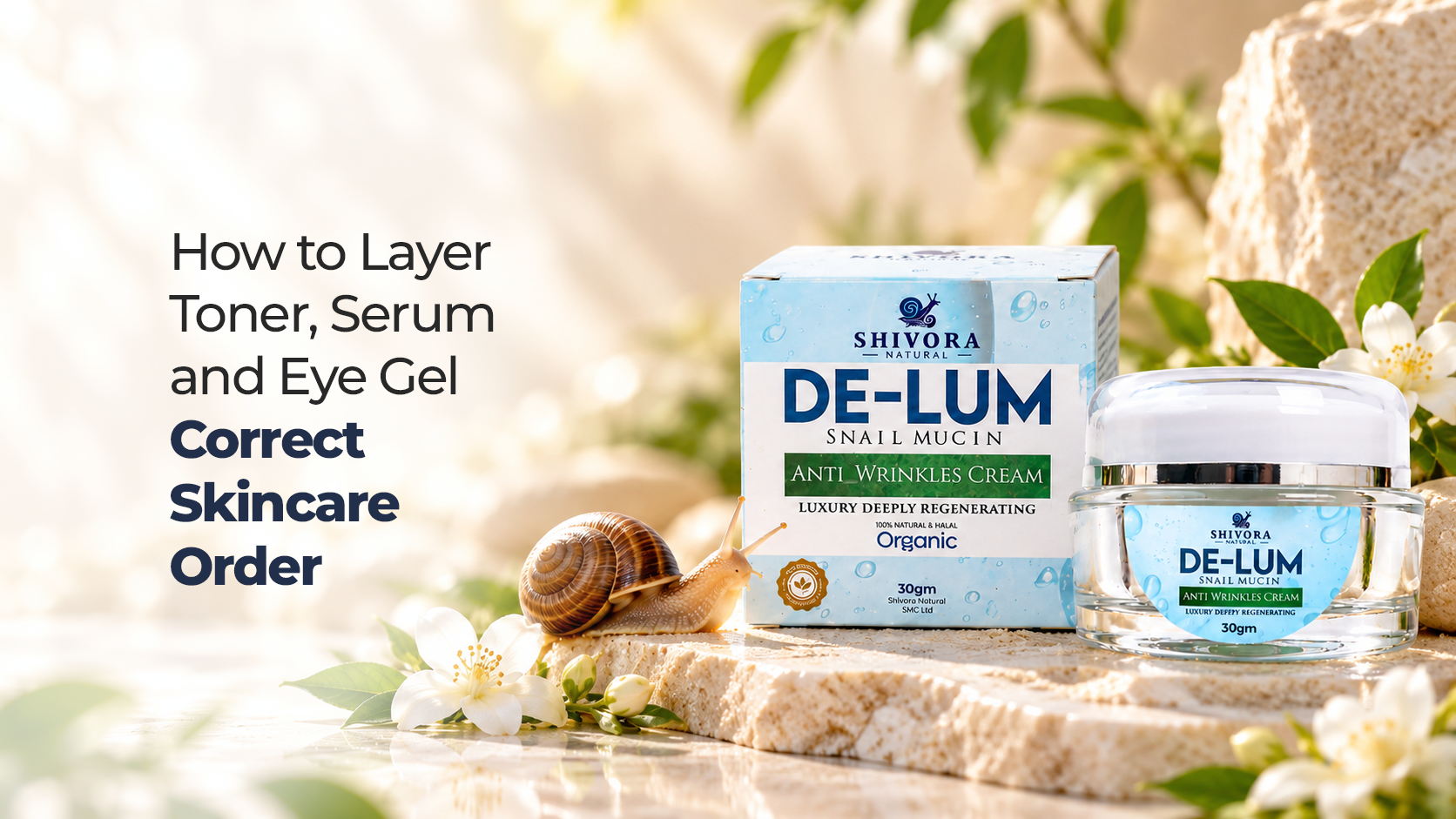
How to Layer Toner, Serum and Eye Gel in the Correct Skincare Order is best approached as an everyday skincare decision. Use toner after cleansing, a leave-on serum before a heavier cream and eye gel as an optional targeted step. This guide explains what matters, how to put the right products in order and how to avoid promises that a cosmetic ingredient cannot support.
Use toner after cleansing, a leave-on serum before a heavier cream and eye gel as an optional targeted step. Eye gel application should follow its label and avoid direct contact with the eyes. These are more helpful starting points than assuming one fashionable ingredient can do everything. The key question is how the finished product fits between cleansing, moisturising and the rest of the day. Someone whose skin feels tight after washing may need a different approach from someone who simply prefers a dewy makeup base.
For toner, serum and eye gel layering, it helps to look at the desired everyday experience: application should feel comfortable, the number of products should be manageable and the finish should suit your working conditions. A separate eye product is a preference, not an essential purchase for everyone. When product rolls or pills, use smaller amounts instead of adding layers. These distinctions can save money and keep skincare expectations realistic.
Within the DE-LUM line from Shivora Natural, the snail mucin toner, nectar serum, eye gel and cream have different textures and roles. The toner is the lighter post-cleanse option. The serum is a leave-on face layer. The eye gel is an optional focused texture, while a cream can give a richer finishing feel. These are product formats, not a mandatory multi-product package.
A shared featured ingredient does not make two finished products interchangeable. A formula also contains supporting ingredients that affect viscosity, comfort, fragrance and feel. Even two products carrying the term snail mucin can behave differently. Read the current instructions and complete ingredient information for the exact product you are considering, particularly if you are introducing something new.
Skin can look less smooth when its outer surface is dry. Moisturising routines help the surface feel more comfortable and can change how light reflects from fine texture. This is why a hydrating product may create a fresher or temporarily plumper-looking finish without changing the underlying structure of the skin.
It is important not to confuse that cosmetic effect with treatment. A serum is not a proven cure for acne, an eraser for pigmentation or a guarantee against visible ageing. An even-looking, comfortable surface is a reasonable aim; dramatic clinical transformations are not. The difference protects readers from buying products with expectations that their labels and formulas cannot support.
Begin by cleansing gently or rinsing when that suits your routine. If you use toner, spread a small amount without scrubbing. A serum can go next if you like its texture, followed by an appropriate moisturiser. During daylight hours, finish with broad-spectrum sunscreen suitable for your exposure and follow its reapplication instructions. None of the DE-LUM moisturising products is a substitute for sunscreen.
If you work outdoors or travel through humid streets, lighter layers may be more comfortable than a thick application. If makeup tends to pill, try using less of each leave-on step and allow the products to settle. A reliable morning routine is one you can complete on a busy weekday, not a sequence that only works when you have half an hour to spare.
The evening offers an opportunity to remove sunscreen, makeup and accumulated residue without excessive rubbing. After a suitable cleanser, add a toner or serum if you want a hydrating step. A face cream may be helpful when skin feels dry after cleansing. Eye gel can be considered if you enjoy a separate eye-area product, but keep it away from direct eye contact and follow its packaging directions.
Do not assume that every night requires several layers. If one moisturising product leaves your skin comfortable, the extra steps are optional. When the face feels sticky or multiple products ball up on the surface, it is sensible to reduce quantity or skip overlapping layers. Comfortable sleep and convenient application count when deciding whether a routine is sustainable.
Use toner after cleansing, a leave-on serum before a heavier cream and eye gel as an optional targeted step. That may sound obvious, but a specific practical goal makes shopping easier. Decide whether your current routine leaves the face uncomfortably dry, whether you want a lighter post-wash feel or whether you are exploring an optional serum texture. Match the format to that need instead of buying every item marketed with the same ingredient.
Eye gel application should follow its label and avoid direct contact with the eyes. A toner can be an enjoyable but optional layer, a serum can provide a dedicated leave-on format and a cream can help provide a more substantial final feel. When comparing them, include quantity, finish and compatibility with your cleanser and sunscreen. The right choice can change with weather and with personal preferences.
Avoid bringing in several unfamiliar formulas at the same time. If you experience redness, itching, swelling or persistent stinging, it becomes difficult to work out which product caused it. Introduce one new item at a time. Patch testing is a sensible precaution, although it cannot guarantee that you will not react. Discontinue products that cause ongoing discomfort and seek qualified guidance for severe or persistent reactions.
Also avoid using very hot water, repeated aggressive cleansing or harsh scrubbing to try to achieve smoothness. They can make comfort harder to assess. Using large amounts of serum does not guarantee a better cosmetic appearance and may simply make layers feel sticky. Regular, measured use is more useful than a new product experiment every few days.
Pakistan does not have one uniform skincare environment throughout the year. Summer heat, humidity, air-conditioned workplaces, dry winter conditions and dusty commutes can influence how a product feels. Some people will prefer a lightweight serum by day and a richer cream at night. Others will be comfortable with the same moisturiser twice a day.
Rather than changing your entire skincare collection each season, first consider changing the amount used. If your face feels coated in humid weather, apply a thinner layer. If skin feels tight in cooler months, consider a suitable cream as the finishing step. When product rolls or pills, use smaller amounts instead of adding layers. Personal comfort is a more useful guide than assumptions about climate alone.
You can make a simple routine diary without turning skincare into a research project. Note whether washing leaves your skin comfortable, how a new formula feels during application, whether it sits smoothly under other products and whether you like the finish several hours later. Keep lighting and other daily habits reasonably consistent when judging visual appearance.
Some cosmetic hydration effects are noticeable quickly, while comfort across different days is worth observing over time. Do not interpret a glossy photograph as proof of changed pigmentation or deep structural effects. When a routine stops feeling comfortable, simplify it. If a lingering skin concern worries you, professional evaluation is more useful than repeatedly switching cosmetic products.
Do you need both toner and serum? No. Both can offer moisturising textures, and their roles may overlap. Choose the format you enjoy and add another only if you have a clear reason.
Should snail mucin be used every day? The finished product's directions and individual tolerance determine the sensible frequency. A gradual introduction is preferable when you are unfamiliar with a formula.
Can a hydrating product replace face cream? Sometimes a lightweight routine feels sufficient, but a watery product is not always a substitute for the comfort of a suitable cream. Adjust according to how your skin feels.
Can you use these products with other skincare ingredients? Many routine combinations are possible, but the finished formulas and individual response matter. Adding many products simultaneously makes it harder to recognise what suits you.
Readers comparing formats can explore the snail mucin skincare collection and review the current toner, nectar serum, eye gel and cream listings. Start by choosing the single format most relevant to toner, serum and eye gel layering. The collection can help you compare textures, application advice and the product details that actually influence your daily routine.
The Shivora Natural homepage offers a starting point for the range. A useful purchase decision is not about collecting every product: it is about finding one that fits your existing routine. Read the current label directions, introduce changes gradually and keep daytime sun protection separate from cosmetic hydration.
A separate eye product is a preference, not an essential purchase for everyone. When product rolls or pills, use smaller amounts instead of adding layers. For toner, serum and eye gel layering, that combination of realistic expectations and practical steps is far more valuable than an elaborate checklist.
A comfortable skincare routine can be uncomplicated. Focus on gentle cleansing, suitable moisture, daily sun protection and products whose textures fit your lifestyle. Compare the DE-LUM formats carefully, then select the next step because it solves a real preference rather than because a trend says you need it.