English
 Arabic
 French
 Spanish
 Portuguese
 Deutsch
 Turkish
 Dutch
 Italiano
 Russian
 Romaian
 Portuguese (Brazil)
 Greek

Lithium Battery Supplier: Choosing the Right Partner for Reliable Energy Solutions
Other |
2026-11-09 06:48:47
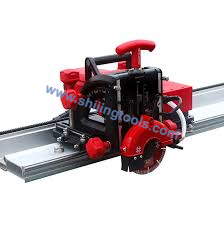
A Tile Vibrator settles a tile into fresh adhesive; a leveling clip holds neighboring edges flush while that adhesive cures. Treating these two tools as interchangeable or using them in the wrong order creates problems that neither tool alone can fix. SHIJING tools supplies both categories of equipment, and the company’s understanding of how they interact reflects the practical sequence tilers follow on site. So where does vibration belong in relation to clip tension?
Vibration belongs first. A tile vibrator works by transmitting controlled oscillation through the tile face, which helps the adhesive spread beneath the tile and releases trapped air pockets that would otherwise become hollow spots. This settling action requires the adhesive to remain workable. Once a wedge or cap has been tightened across a clip, the tile edges are held in a fixed relationship, and vibrating afterward pushes against that mechanical constraint rather than working with it. The tile cannot settle freely while its edges are locked.
Clip tension comes second, after the tile has seated. A leveling system holds adjacent tile edges at a consistent height while the mortar cures, and its purpose is alignment rather than bedding. Tightening a wedge before the tile has fully contacted the adhesive forces the leveling system to compensate for gaps that vibration would have closed. The clip then fights the tile instead of aligning it, and the result is a joint under stress before the mortar has even begun to set.
The practical sequence on a large format installation runs through several steps in order. Adhesive is combed out, the tile is positioned, and the vibrator is run across the surface to bed the tile. Only then are clips placed and wedges or caps tightened to bring edges flush. Some installers place clips under the tile edge before setting, then vibrate, then tighten, which keeps the clip base in position without applying tension until the tile has settled. Checking alignment with a straightedge before final tightening catches problems while adjustment remains possible.
Vibrating after tightening creates specific failure modes. The tile may shift within the clip’s grip, breaking the edge alignment the system was meant to hold. A wedge under tension can pop loose or the clip can deform when vibration transmits through a constrained assembly. On wall installations, where gravity already pulls against the adhesive, post-tightening vibration adds a lateral force that the clip was not designed to resist.
Zhejiang Shijing Tools approaches tile installation equipment with attention to how tools work together rather than in isolation, and tilers planning a complete setup can review paving tools at https://www.shijingtools.com before matching a vibrator to their leveling system. A tile vibrator used before clip tension settles the tile properly; a leveling system tightened afterward holds the edges that vibration has already brought into contact with the adhesive. The order matters because each tool does one job, and doing them in sequence produces a floor that stays flat.