English
 Arabic
 French
 Spanish
 Portuguese
 Deutsch
 Turkish
 Dutch
 Italiano
 Russian
 Romaian
 Portuguese (Brazil)
 Greek

How to Choose the Best Website & Mobile App Development Company for Your Business
Networking |
2026-10-27 10:35:29
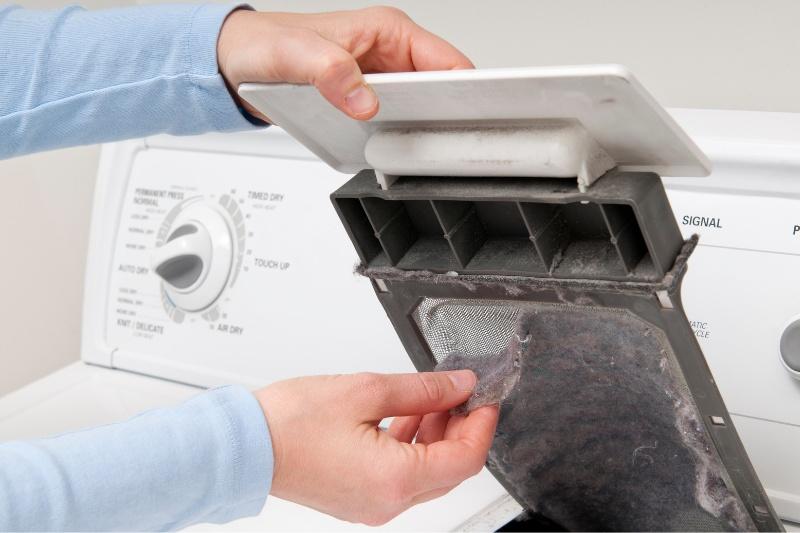
You peel the lint off your dryer screen after every load. When someone suggests checking the dryer vent, it sounds like the same job. The difference between dryer vent cleaning vs. lint trap cleaning is where the work happens. Lint trap cleaning usually means clearing the removable screen that catches fibers during a load. Dryer vent cleaning removes accumulated lint and debris from the exhaust route that carries warm, moist air outdoors.
Keep cleaning the screen before each load, and follow your dryer manual for any care around the slot it slides into. If a vented dryer starts taking longer to dry similar loads despite a clean screen, consider having the exhaust path inspected. You can see what the screen caught when you pull it out. The exhaust duct runs farther downstream, often through areas you can’t see from the laundry room.
The lint screen is the removable mesh filter you pull out of a slot. Depending on the dryer, that slot may be just inside the door or on top of the cabinet. The screen catches loose fibers as air leaves the drum. You can usually lift the lint off the mesh by hand, then slide the screen back into place.
The lint trap housing is the space that holds the screen. You may see loose lint around the lip of the slot or on a nearby surface when you remove the filter. The manual can tell you which areas are intended for homeowner cleaning and what method to use. Anything farther inside the housing may require appliance service, especially if the screen won’t seat properly after you clear visible lint as directed.
The dryer exhaust duct is part of the route from a vented dryer to the outdoors. Air moves through the drum, past the lint screen, through the dryer’s internal air passage, and out through the exhaust connection. From there, it travels through the duct to an exterior outlet. Fine lint can travel past the screen and settle along the exhaust route over time. A clean screen shows you the condition of the removable filter at that moment.
Ventless dryers handle moisture differently. Their maintenance can include additional filters, a heat exchanger, or a water collection tank, depending on the model. Follow the owner’s manual for the parts you can access and the recommended care.
|
What to compare |
Lint trap cleaning |
Dryer vent cleaning |
|
Location |
The removable screen and any accessible areas around its slot that the manual identifies for routine care. |
The exhaust route from a vented dryer toward its exterior outlet. |
|
Buildup removed |
Loose fabric fibers on the screen and any residue the manual explains how to remove. |
Lint or debris accumulated in the duct or around the outdoor termination. |
|
What you can safely do |
Remove lint before each load, clean residue as directed, and fully reinsert the screen before use. |
Observe an accessible exterior outlet from ground level. Leave appliance movement, disassembly, and inaccessible duct sections to a professional. |
|
When professional help is relevant |
The screen is damaged, won’t seat properly, or has buildup beyond the owner-accessible area. |
Drying time keeps increasing despite routine care, or an exterior observation suggests restricted airflow. |
Remove lint before each load and make sure the screen is fully seated before starting the dryer. If you prefer to clear the screen as soon as you unload the drum, check it again before the next cycle. Use the dryer with its screen installed.
If the mesh still looks coated after you remove the loose fibers, check the manual for the recommended way to remove residue and whether the screen needs to dry before you put it back. Treat the housing as a separate step. Clean only the areas the manufacturer identifies for routine care. If lint has accumulated deeper inside the appliance, ask an appliance technician what the model requires.
Say you dry roughly the same load of bath towels every week. The lint screen is clear at the start, but the towels now come out warm and damp on the same setting that used to dry them. A restricted exhaust is one possible explanation. Confirm that the load, dryer setting, and washer spin are comparable so you can describe what has changed.
If the exterior outlet is safely visible from ground level and the dryer is otherwise operating normally, see whether the flap opens during a cycle. A flap that barely moves gives an inspector a reason to look at the outlet and the duct leading to it. A flap that opens shows that some air is getting through. A professional can inspect accessible sections for buildup, a damaged connection, or a duct that has narrowed, and check airflow where appropriate.
If you discuss the issue with Green Wood Air Duct Cleaning, say whether the dryer is vented, how long drying now takes, and where the outlet is located if you know. Ask whether the proposed service covers the connection at the dryer, the duct run, and the outdoor termination. If the exhaust is clear and the dryer consistently fails to heat on a heated setting, an appliance technician is the next call. If you notice a burning smell or unusual overheating, stop using the dryer and arrange service before running it again.
If an inspection finds lint or debris restricting your dryer exhaust, Austin-area homeowners can contact Green Wood Air Duct Cleaning about dryer vent cleaning. Ask which sections are included so you know what will be cleaned beyond the removable screen.