English
 Arabic
 French
 Spanish
 Portuguese
 Deutsch
 Turkish
 Dutch
 Italiano
 Russian
 Romaian
 Portuguese (Brazil)
 Greek

Denim Tears Shirt A Beautiful Blend of Streetwear, Culture, and Modern Fashion
Shopping |
2026-10-14 13:42:08
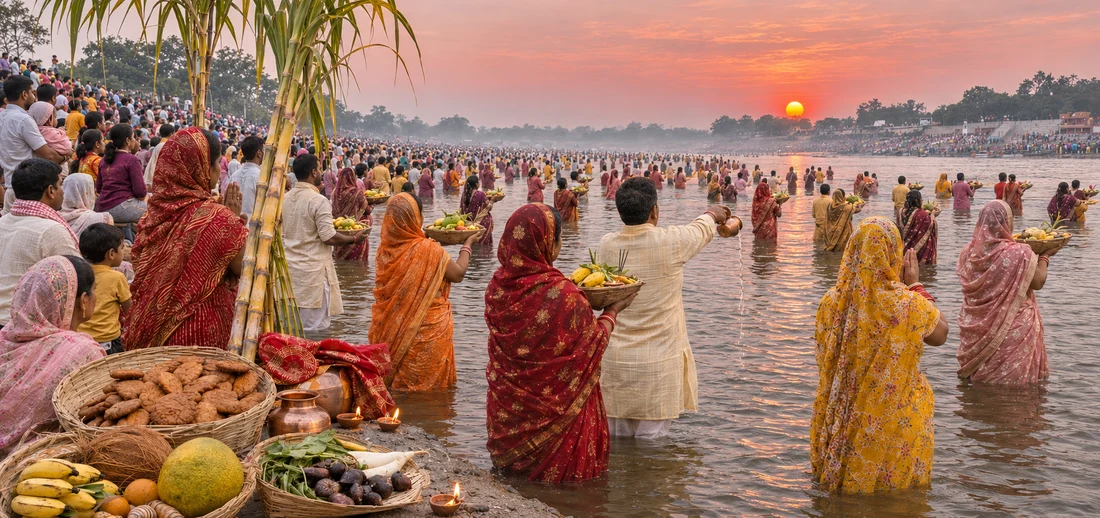
Chhath Puja is one of the most sacred Hindu festivals dedicated to Surya Dev (the Sun God) and Chhathi Maiya. The Chhath Puja 2026 Aarti is an important part of the festival, expressing gratitude, devotion, and prayers for good health, happiness, prosperity, and family well-being. Devotees perform the aarti during the morning and evening rituals while offering Arghya to the setting and rising Sun.
Chhath Puja 2026 is a special occasion for devotees who observe fasting, prepare traditional offerings, maintain cleanliness, and gather near rivers, ponds, and other water bodies to worship the Sun God. Sadhana Shop helps devotees stay connected with Hindu traditions by exploring spiritual content, devotional practices, and religious resources such as Shiv Chalisa.
In this guide, you will learn about the significance of Chhath Puja Aarti, the correct way to perform it, the required puja items, important rituals, and frequently asked questions about छठ पूजा 2026.
Chhath Puja 2026 Aarti is a devotional prayer performed in honour of Surya Dev and Chhathi Maiya during the four-day Chhath festival. Devotees light a diya, offer flowers and traditional prasad, and sing devotional songs while praying for prosperity, good health, and happiness.
The aarti is an expression of gratitude towards the Sun, which provides light, energy, and life to the Earth. During Chhath Puja, devotees worship both the setting Sun and the rising Sun, making this festival spiritually meaningful.
The celebration is especially popular in Bihar, Jharkhand, eastern Uttar Pradesh, and parts of Nepal. However, devotees across India and other countries also celebrate this festival with faith and dedication.
Chhath Puja Aarti represents devotion, discipline, gratitude, and respect for nature. It is performed to seek the blessings of Surya Dev and Chhathi Maiya.
Some important spiritual beliefs associated with the aarti include:
Good health: Devotees pray for physical well-being and a healthy life.
Family happiness: Families seek blessings for peace, prosperity, and happiness.
Gratitude towards nature: Worshipping the Sun expresses appreciation for the source of life and energy.
Spiritual purification: Fasting, prayer, and devotion encourage self-discipline and inner peace.
Prosperity: Devotees pray for success and positive energy in their lives.
Chhath Puja Aarti and Surya Arghya are two important parts of the festival, but they are different rituals.
Chhath Puja Aarti involves lighting a diya and singing devotional prayers in honour of Surya Dev and Chhathi Maiya.
Surya Arghya involves offering water, usually from a traditional vessel, to the setting or rising Sun while standing near a water body.
Both rituals express devotion and gratitude, and they are traditionally performed during the evening and morning worship.
Chhath Puja is celebrated over four days during the Hindu month of Kartik, shortly after Diwali. The festival follows the Hindu lunar calendar, so its Gregorian dates change every year.
Devotees observe four main stages: Nahay Khay, Kharna, Sandhya Arghya, and Usha Arghya. Each day has its own religious importance and traditional practices.
The four days of Chhath Puja follow a specific sequence of rituals.
Nahay Khay: Devotees take a holy bath, clean their homes, and prepare a traditional meal. This day marks the beginning of the festival.
Kharna: Devotees observe a fast throughout the day and prepare prasad such as kheer and roti. The fast is traditionally continued after the evening offering.
Sandhya Arghya: Devotees gather near rivers, ponds, or other water bodies and offer Arghya to the setting Sun.
Usha Arghya: On the final morning, devotees offer Arghya to the rising Sun and complete the festival rituals.
Sunset and sunrise are considered especially significant because devotees worship the Sun in both forms.
During Sandhya Arghya, devotees express gratitude to the setting Sun for providing energy and supporting life. During Usha Arghya, they welcome the rising Sun and pray for a fresh beginning, good health, and prosperity.
Before performing Chhath Puja Aarti, devotees arrange traditional puja materials and offerings. These items are used during worship and help maintain the traditional customs of the festival.
The following items are commonly used for Chhath Puja:
Brass or copper puja thali
Diya (earthen lamp)
Cotton wicks and ghee
Incense sticks and camphor
Flowers and garlands
Roli, kumkum, and akshat (rice grains)
Gangajal or clean water
Fruits such as bananas, apples, and coconuts
Sugarcane
Thekua and traditional homemade prasad
Bamboo soop and daura
Milk and water for offering Arghya
A bell for performing aarti
Traditional offerings have a special place in Chhath Puja. Thekua is one of the most popular prasad items prepared using wheat flour and jaggery or sugar. Fruits, coconuts, and sugarcane are also arranged in bamboo baskets and offered to Surya Dev.
These offerings represent purity, devotion, gratitude, and respect for nature. Devotees prepare them carefully and follow traditional cleanliness practices throughout the festival.
Chhath Puja Aarti should be performed with devotion, cleanliness, and sincerity. Devotees can perform the aarti at home or at the Chhath ghat after completing the necessary worship rituals.
Here is a simple step-by-step method for performing the aarti.
Start by cleaning the place where you plan to perform the aarti. Take a bath, wear clean traditional clothes, and arrange all the puja materials in one place.
Cleanliness is an important part of Chhath Puja, so keep the puja area and food preparation space hygienic.
Prepare a puja thali with a diya, cotton wick, ghee, flowers, incense sticks, camphor, roli, and rice grains.
Keep the traditional prasad and fruits in a separate clean basket or soop.
Light the diya using ghee or oil and offer incense sticks. The light of the diya represents positivity, devotion, and the removal of darkness.
Place the diya safely on the puja platform or another stable surface.
Fold your hands and pray to Surya Dev and Chhathi Maiya. Offer flowers, fruits, and other traditional prasad with devotion.
You can also chant simple Surya mantras while remembering the blessings of the Sun God.
One commonly recited Surya mantra is:
ॐ सूर्याय नमः।
Repeat the mantra with concentration and devotion.
Take the aarti thali in your hands and move it gently in a circular motion in front of Surya Dev or the place of worship.
Sing traditional Chhath devotional songs or a suitable Surya Dev aarti. Family members can join the prayer and sing together.
During the evening ritual, devotees perform worship while offering Arghya to the setting Sun. The morning ritual is performed while offering Arghya to the rising Sun.
Fill a lota or traditional vessel with clean water. Some families also follow the custom of adding flowers or other traditional offerings.
Stand at the designated worship area near a water body and offer Arghya towards the Sun while praying.
Follow your family's traditional customs and local religious guidance.
After completing the aarti, fold your hands and pray for the happiness, health, and prosperity of your family.
Distribute prasad according to your family's customs. On the final day, devotees complete the morning Arghya and observe Parana to conclude their fast.
Sandhya Arghya and Usha Arghya are the two most important offerings during Chhath Puja. Both rituals involve worshipping Surya Dev, but they take place at different times.
Sandhya Arghya is performed on the third day of Chhath Puja. Devotees gather near rivers, ponds, or other water bodies during sunset.
They stand in the water and offer Arghya to the setting Sun. Traditional baskets filled with fruits, thekua, sugarcane, and other prasad are presented during the worship.
This ritual represents gratitude for the Sun's energy and blessings.
Usha Arghya is performed on the fourth and final day of Chhath Puja. Devotees gather before sunrise and offer water to the rising Sun.
After completing the morning prayers and rituals, devotees conclude their fast through Parana according to their family traditions.
This ritual represents hope, positivity, new beginnings, and prayers for continued prosperity.
Devotees recite Surya mantras and sing traditional Chhath songs to express their devotion. These prayers create a spiritual atmosphere and help family members participate in the worship.
The following mantras can be recited during Surya worship:
1. Surya Beej Mantra
ॐ ह्रां ह्रीं ह्रौं सः सूर्याय नमः।
2. Simple Surya Mantra
ॐ सूर्याय नमः।
3. Gayatri Mantra
ॐ भूर्भुवः स्वः।
तत्सवितुर्वरेण्यं।
भर्गो देवस्य धीमहि।
धियो यो नः प्रचोदयात्॥
These mantras are commonly associated with Sun worship and can be included in personal prayers.
Yes, devotees can read Shiv Chalisa as an additional devotional prayer during Chhath Puja. However, Shiv Chalisa is dedicated to Lord Shiva and is not a replacement for the traditional worship of Surya Dev and Chhathi Maiya.
Many Hindu families include prayers to different deities in their daily spiritual routine. Reading Shiv Chalisa before or after the main Chhath rituals can be a personal devotional practice.
Sadhana Shop encourages devotees to explore devotional prayers and religious traditions, including Shiv Chalisa, Surya mantras, and festival-related spiritual content.
Chhath Puja is known for its discipline, cleanliness, and devotion. Devotees traditionally follow specific practices throughout the four-day festival.
Some important customs include:
Maintain cleanliness: Clean the home, kitchen, and puja area before beginning the festival.
Prepare sattvik food: Traditional Chhath food is prepared with attention to purity and family customs.
Respect the fasting tradition: Devotees follow their chosen vrat according to established religious practices.
Keep prasad clean: Prepare and store offerings in clean utensils and containers.
Avoid unnecessary waste: Keep rivers, ponds, and public worship areas clean.
Follow family traditions: Ritual details can differ between regions and families.
Devotees generally avoid activities that go against the discipline of their vrat and family customs.
They traditionally maintain cleanliness, avoid non-sattvik food during the observance, and handle prasad carefully. They should also avoid throwing plastic, food packaging, or other waste into rivers and ponds.
Important: Chhath fasting can be physically demanding, particularly when it involves going without food and water. Anyone with a medical condition, pregnancy, or other health concerns should seek medical advice and avoid putting their health at risk. Religious observance should never require ignoring medical needs.
Hindu festivals provide an opportunity to learn about religious traditions, prayers, and spiritual practices. From Chhath Puja to daily worship, devotional knowledge helps people understand the meaning behind different rituals.
Sadhana Shop focuses on sharing spiritual and devotional resources that help readers explore Hindu religious practices.
Whether you are learning about Chhath Puja 2026, exploring traditional Surya mantras, or looking for information about Shiv Chalisa, devotional resources can help you understand the significance of these practices.
Understanding the meaning of prayers makes devotional practices more meaningful. Instead of simply repeating words, devotees can learn about the values of gratitude, discipline, kindness, and faith associated with different prayers.
For example, Surya worship during Chhath Puja teaches gratitude towards nature, while Shiv Chalisa expresses devotion to Lord Shiva and his divine qualities.
The Chhath Puja 2026 Aarti is an important devotional practice that celebrates the blessings of Surya Dev and Chhathi Maiya. Performed during the evening and morning rituals, it represents gratitude, faith, purity, and prayers for family happiness and prosperity.
Chhath Puja 2026 will be observed from November 13 to November 16, with Sandhya Arghya on November 15 and Usha Arghya on November 16. Devotees should perform the rituals with devotion while following their family traditions and maintaining cleanliness.
Key takeaways:
Chhath Puja is dedicated to Surya Dev and Chhathi Maiya.
Aarti is performed with a diya, flowers, incense, and devotional prayers.
Sandhya Arghya is offered to the setting Sun.
Usha Arghya is offered to the rising Sun.
Shiv Chalisa can be read as an additional devotional prayer.
Cleanliness, discipline, and respect for nature are important parts of the festival.
Explore more spiritual and devotional content with Sadhana Shop and learn about Hindu prayers, festivals, and traditions.
Chhath Puja 2026 will be celebrated from November 13 to November 16. Nahay Khay falls on November 13, Kharna on November 14, Sandhya Arghya on November 15, and Usha Arghya on November 16.
Chhath Puja worship includes evening and morning prayers associated with Sandhya Arghya and Usha Arghya. Devotees may perform aarti during both occasions according to their family traditions. The main focus is offering prayers and Arghya to the setting and rising Sun.
Chhath Puja is primarily dedicated to Surya Dev, the Sun God, and Chhathi Maiya. Devotees worship them to seek blessings for good health, happiness, prosperity, and family well-being. The festival also expresses gratitude towards nature and the life-giving energy of the Sun.
Yes, devotees can read Shiv Chalisa as an additional devotional prayer during Chhath Puja. It is dedicated to Lord Shiva and can be included in personal worship. However, it does not replace the traditional Chhath rituals dedicated to Surya Dev and Chhathi Maiya.
Thekua is one of the most popular traditional prasad items prepared during Chhath Puja. Other offerings include rice laddoos, bananas, coconuts, sugarcane, and seasonal fruits. These offerings are traditionally arranged in bamboo baskets and presented to Surya Dev during Arghya.
Sadhana Shop provides spiritual and devotional content that helps readers explore Hindu festivals, religious traditions, and prayers. Readers can learn about Chhath Puja rituals, Surya mantras, Shiv Chalisa, and other devotional topics to develop a better understanding of Hindu spiritual practices.
Yes, devotees can perform Chhath Puja Aarti at home using a diya, flowers, incense sticks, and traditional puja materials. They can offer prayers to Surya Dev and Chhathi Maiya while following their family customs. The main Arghya rituals are traditionally performed near a water body.
Sadhana Shop Editorial Team shares informative content about Hindu festivals, devotional practices, spiritual traditions, and religious prayers. The team aims to help readers understand the significance of Hindu rituals and celebrate religious occasions with knowledge and devotion.