English
 Arabic
 French
 Spanish
 Portuguese
 Deutsch
 Turkish
 Dutch
 Italiano
 Russian
 Romaian
 Portuguese (Brazil)
 Greek

How North America Is Leading Innovation in the Small Cell Lung Cancer Treatment Market
Health |
2026-10-21 11:53:11
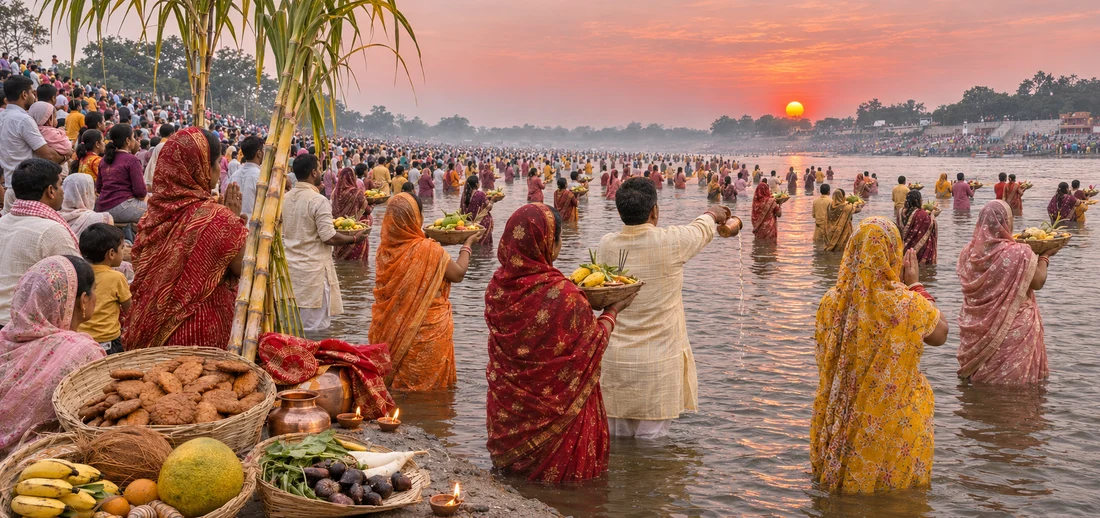
Chhath Puja is one of the oldest and most sacred Hindu festivals dedicated to Surya Dev (the Sun God) and Chhathi Maiya. According to popular Hindu traditions, the festival is also connected with the Ramayana, where Lord Rama and Goddess Sita are believed to have worshipped the Sun God after returning to Ayodhya from Lanka. This story highlights the importance of faith, gratitude, purity, and devotion.
The story of Sita and Rama makes छठ पूजा 2026 especially meaningful for devotees who want to understand the religious and cultural significance of this festival. Celebrated with traditional fasting, prayers, and offerings to the rising and setting Sun, Chhath Puja represents respect for nature and the life-giving energy of Surya Dev.
Sadhana Shop brings you closer to Hindu traditions through devotional knowledge, religious stories, and spiritual content. Whether you are exploring the Ramayana, learning about Chhath Puja rituals, or reading devotional prayers such as Shiv Chalisa, understanding these traditions can make your spiritual journey more meaningful.
In this article, we will explore the story of Sita and Ramayana, the connection between Lord Rama and Chhath Puja, its religious significance, important rituals, and frequently asked questions.
The Chhath Puja story of Sita and Ramayana is a popular religious tradition that connects the worship of Surya Dev with the return of Lord Rama and Goddess Sita to Ayodhya. According to a widely circulated belief, Rama and Sita performed Sun worship after returning from Lanka to express gratitude and seek divine blessings.
Chhath Puja is dedicated to Surya Dev and Chhathi Maiya. Devotees observe this festival to pray for good health, family happiness, prosperity, and the well-being of their loved ones.
The connection between Chhath Puja and Ramayana is particularly important in several regional traditions. However, it is worth understanding that different communities narrate the story differently, and this account is not presented as a universally agreed episode in every version of the Ramayana.
According to popular devotional beliefs, Goddess Sita is associated with the tradition of worshipping Surya Dev after her return to Ayodhya with Lord Rama.
After spending fourteen years in exile and facing many difficulties, Lord Rama, Goddess Sita, and Lakshmana returned to their kingdom. Their homecoming brought happiness to Ayodhya, and people celebrated their return with great devotion.
Some religious traditions connect this period with Sun worship and the observance of Chhath Vrat. Goddess Sita is remembered for her devotion, patience, purity, and dedication to religious practices.
This connection gives Chhath Puja a deeper spiritual meaning, reminding devotees that faith and gratitude remain important even after difficult times.
The return of Lord Rama and Goddess Sita to Ayodhya is one of the most celebrated episodes of the Ramayana.
After defeating Ravana, Lord Rama rescued Goddess Sita and completed his period of exile. Along with Lakshmana, Hanuman, and other companions, they returned to Ayodhya.
The people of Ayodhya welcomed them with happiness and enthusiasm. This homecoming is traditionally associated with the celebration of Diwali.
According to a popular Chhath-related belief, Rama and Sita also performed worship dedicated to Surya Dev after their return. Their devotion is remembered as an example of gratitude towards the divine source of life and energy.
The Ramayana tells the story of Lord Rama, Goddess Sita, and Lakshmana, who faced fourteen years of exile, separation, challenges, and the battle against Ravana.
The connection with Chhath Puja is understood through a devotional tradition that remembers Sun worship after their return to Ayodhya.
Lord Rama was the eldest son of King Dasharatha of Ayodhya. He was known for his honesty, kindness, bravery, and respect for his parents.
When the time came for his coronation, Queen Kaikeyi asked King Dasharatha to fulfil two promises he had made to her. She requested that her son Bharata become king and that Rama spend fourteen years in exile.
Lord Rama accepted his father's promise without protest. Goddess Sita and his younger brother Lakshmana also decided to accompany him into the forest.
Their decision demonstrated loyalty, love, sacrifice, and dedication to family values.
During their exile, Rama, Sita, and Lakshmana lived in the forest. One day, Ravana, the king of Lanka, planned to abduct Goddess Sita.
Using a deceptive plan involving a golden deer, Ravana managed to separate Sita from Rama and Lakshmana. He then took her to Lanka.
Lord Rama began searching for Sita with the help of Lakshmana and later received assistance from Hanuman and the Vanara army.
Hanuman eventually found Goddess Sita in Ashoka Vatika in Lanka and delivered Lord Rama's message to her.
Lord Rama gathered an army with the help of Sugriva, Hanuman, and other allies. A bridge was constructed towards Lanka, and Rama's army fought against Ravana's forces.
After a great battle, Lord Rama defeated Ravana and rescued Goddess Sita.
Following the completion of their exile, Rama, Sita, and Lakshmana returned to Ayodhya. The people celebrated their arrival with lamps, happiness, and devotion.
This event is remembered as the religious and cultural story behind Diwali.
According to a popular religious belief, Lord Rama and Goddess Sita performed Surya worship after returning to Ayodhya.
The Sun is considered the source of light, warmth, energy, and life. Worshipping Surya Dev represents gratitude towards nature and the divine power that supports all living beings.
This traditional connection is one reason devotees associate the Ramayana with Chhath Puja.
Surya Dev holds a special position in Hindu religious traditions. The Sun provides light and energy, supports agriculture, and plays an important role in sustaining life on Earth.
During Chhath Puja 2026, devotees worship Surya Dev by offering Arghya during sunset and sunrise. These rituals express gratitude, discipline, faith, and respect for nature.
Surya Dev is worshipped as the source of life and energy. In Hindu traditions, the Sun is associated with strength, health, knowledge, and prosperity.
Devotees believe that offering prayers to Surya Dev helps them develop positivity, discipline, and spiritual strength.
The following are some important beliefs associated with Surya worship:
Good health: Devotees pray for physical well-being and a healthy life.
Family prosperity: Worshippers seek blessings for happiness and success in their families.
Positive energy: The Sun represents light, hope, and new beginnings.
Gratitude towards nature: Sun worship expresses respect for the natural world.
Spiritual discipline: Fasting and prayers encourage dedication and self-control.
Chhathi Maiya is worshipped alongside Surya Dev during Chhath Puja. She is traditionally regarded as a protective mother goddess who blesses devotees with happiness, good health, and family well-being.
Many devotees pray to Chhathi Maiya for the welfare of their children and the prosperity of their households.
The festival is especially important for families who follow traditional Chhath rituals with devotion and discipline.
Chhath Puja is a four-day festival celebrated during the Kartik month of the Hindu calendar. Each day has a specific religious significance and traditional ritual.
In 2026, the festival will be observed from November 13 to November 16.
Nahay Khay marks the beginning of Chhath Puja. Devotees take a holy bath, clean their homes, and prepare traditional sattvik food.
The first day focuses on cleanliness, purity, and preparing for the upcoming fasting rituals.
On the second day, devotees observe a fast throughout the day. In the evening, they prepare traditional prasad such as jaggery kheer and roti.
After offering prayers, devotees break the daytime fast and traditionally begin a more demanding period of fasting.
Sandhya Arghya is one of the most important rituals of Chhath Puja.
Devotees gather near rivers, ponds, and other water bodies to offer Arghya to the setting Sun. Traditional offerings such as thekua, fruits, sugarcane, and coconuts are arranged in bamboo baskets.
Families sing devotional Chhath songs and pray to Surya Dev and Chhathi Maiya.
Usha Arghya is performed early in the morning when the Sun rises.
Devotees offer water to the rising Sun and pray for health, happiness, prosperity, and family well-being. After completing the morning rituals, they conclude their fast through Parana according to family traditions.
The story of Sita and Rama continues to inspire devotees during Chhath Puja. Their association with Sun worship represents faith, gratitude, and respect for divine blessings.
Today, families celebrate Chhath Puja by following traditional customs, preparing homemade prasad, and gathering near clean water bodies.
Offering Arghya to the setting and rising Sun is a unique feature of Chhath Puja.
The evening offering, known as Sandhya Arghya, expresses gratitude for the energy and blessings received throughout life.
The morning offering, known as Usha Arghya, represents hope, positivity, and new beginnings.
Together, these rituals remind devotees to appreciate nature and remain thankful for life's blessings.
Traditional prasad is an important part of Chhath Puja. Devotees prepare food with care and maintain cleanliness throughout the process.
Some popular offerings include:
Thekua prepared with wheat flour and jaggery.
Bananas and other seasonal fruits.
Sugarcane.
Coconuts.
Rice laddoos.
Traditional homemade sweets.
These offerings represent devotion, simplicity, and gratitude towards Surya Dev.
Celebrating Chhath Puja requires preparation, discipline, cleanliness, and faith. Devotees should understand the rituals and arrange the required materials before the festival begins.
Here are some important practices to follow:
Clean your home and worship area before starting the festival.
Prepare traditional sattvik food according to family customs.
Arrange fruits, thekua, sugarcane, and other prasad.
Keep bamboo baskets and puja materials ready.
Participate in Sandhya Arghya and Usha Arghya.
Sing devotional songs and offer prayers to Surya Dev and Chhathi Maiya.
Keep the riverbank and surrounding environment clean.
Yes, devotees can read Shiv Chalisa during Chhath Puja as an additional devotional practice.
Shiv Chalisa is dedicated to Lord Shiva and describes his divine qualities, blessings, and importance in Hindu religious traditions. Reading it can be part of a person's regular prayer routine.
However, Shiv Chalisa is not a substitute for Chhath Puja rituals, which are primarily dedicated to Surya Dev and Chhathi Maiya.
Sadhana Shop encourages readers to explore different Hindu prayers, devotional traditions, and religious stories to develop a better understanding of spirituality.
The story of Sita and Rama teaches important values that remain relevant in everyday life. Their journey represents courage, patience, sacrifice, devotion, and faith.
The connection between their story and Chhath Puja adds another important lesson: gratitude towards nature and the divine should remain an essential part of life.
Goddess Sita is remembered for her patience, courage, dignity, and devotion.
Her life teaches devotees several important values:
Patience: Stay strong during difficult situations.
Faith: Maintain trust and devotion during challenging times.
Courage: Face difficulties with strength and determination.
Simplicity: Value honesty and humility.
Dedication: Remain committed to your responsibilities and values.
Lord Rama is traditionally remembered as Maryada Purushottam, representing ideal conduct and righteousness.
His life teaches people to respect their responsibilities, honour promises, remain truthful, and follow the path of dharma.
These values connect beautifully with the discipline and devotion observed during Chhath Puja.
The Chhath Puja 2026 represents a beautiful connection between Hindu mythology, devotion, and Sun worship. According to popular religious traditions, Lord Rama and Goddess Sita performed Surya worship after returning to Ayodhya, expressing gratitude towards the divine source of life and energy.
Chhath Puja continues to bring families and communities together through fasting, prayers, traditional offerings, and the worship of the setting and rising Sun.
Key takeaways from this guide:
Chhath Puja is dedicated to Surya Dev and Chhathi Maiya.
Popular traditions connect Sita and Rama with Sun worship after their return to Ayodhya.
Chhath Puja is celebrated over four days with important rituals.
Sandhya Arghya and Usha Arghya are the central offerings to the setting and rising Sun.
Shiv Chalisa can be read as an additional devotional prayer.
The festival teaches gratitude, discipline, purity, and respect for nature.
Celebrate Hindu traditions with devotion and explore more religious stories, prayers, and spiritual knowledge with Sadhana Shop.
According to a popular Hindu religious belief, Lord Rama and Goddess Sita performed Sun worship after returning to Ayodhya from Lanka. Their worship of Surya Dev is traditionally connected with Chhath Puja. This story represents gratitude, devotion, and respect for the divine source of life and energy.
Some regional religious traditions associate Goddess Sita with Chhath Vrat and Sun worship. Different communities narrate the connection in different ways. It is important to understand that this is a devotional tradition rather than a universally established episode in every version of the Ramayana.
Lord Rama is connected with Chhath Puja through the popular belief that he and Goddess Sita worshipped Surya Dev after returning to Ayodhya. This association highlights the importance of gratitude, faith, and devotion towards the Sun God.
Chhath Puja 2026 will be celebrated from November 13 to November 16. Nahay Khay will take place on November 13, Kharna on November 14, Sandhya Arghya on November 15, and Usha Arghya on November 16. Local Panchang timings may vary.
Yes, devotees can read Shiv Chalisa as part of their additional daily prayers during Chhath Puja. It is dedicated to Lord Shiva and can be recited with devotion. However, the main Chhath rituals remain dedicated to Surya Dev and Chhathi Maiya.
The main purpose of Chhath Puja is to worship Surya Dev and Chhathi Maiya and express gratitude for their blessings. Devotees observe fasting, offer Arghya to the setting and rising Sun, and pray for good health, happiness, prosperity, and family well-being.
Sadhana Shop shares devotional and spiritual content about Hindu festivals, religious stories, prayers, and traditional worship practices. Readers can explore topics such as Chhath Puja, Ramayana, Shiv Chalisa, and other religious traditions to understand their cultural and spiritual significance.
Sadhana Shop Editorial Team creates informative content about Hindu festivals, mythology, devotional prayers, and spiritual traditions. The team aims to help readers understand the cultural and religious significance of Hindu celebrations and develop a deeper connection with traditional spiritual practices.