English
 Arabic
 French
 Spanish
 Portuguese
 Deutsch
 Turkish
 Dutch
 Italiano
 Russian
 Romaian
 Portuguese (Brazil)
 Greek

orslow Streetwear: Redefining Everyday Fashion with Modern Comfort
Shopping |
2026-11-14 16:52:31
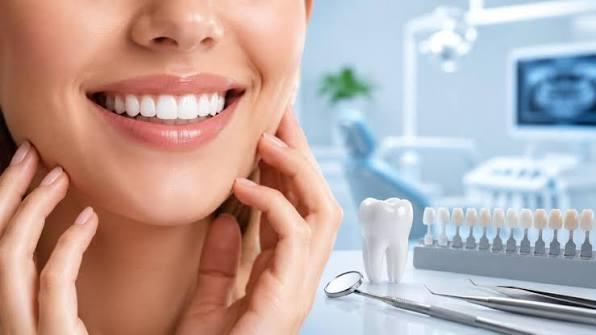
Cosmetic dentistry has evolved significantly over the years, offering patients more advanced ways to improve the appearance of their smiles. Traditional dental procedures often focused on correcting individual imperfections, but modern approaches take a more comprehensive view of dental aesthetics. Today, patients can explore personalized treatments that consider tooth colour, shape, alignment, facial proportions, and overall oral health.
Technological advancements have also changed how dentists examine teeth, plan procedures, and deliver treatment. Digital imaging, improved dental materials, minimally invasive techniques, and customized restorations have made smile makeovers more precise and adaptable to individual needs.
Understanding these developments can help patients learn how modern cosmetic dentistry is changing smile makeovers and what treatment options may be available.
One of the biggest developments in cosmetic dentistry is the shift towards personalized treatment planning. Instead of recommending identical procedures for different patients, dentists now consider individual facial features, dental structure, preferences, and aesthetic expectations.
A smile makeover may involve several treatments, including teeth whitening, veneers, dental bonding, orthodontics, and gum contouring. However, not every patient requires all these procedures.
Modern consultations focus on identifying specific concerns and selecting treatments that complement the patient's natural appearance. This personalized approach helps create results that look balanced rather than artificial.
Digital technology has improved how dentists evaluate and plan cosmetic treatments. Digital photographs, intraoral scanners, and specialized imaging software allow dental professionals to examine teeth and develop more detailed treatment plans.
Digital Smile Design is an approach that uses photographs and digital tools to help visualize potential changes to a patient's smile. It can assist in discussing tooth proportions, symmetry, and aesthetic expectations before treatment begins.
These visual tools also improve communication between patients and dental professionals. Patients can better understand proposed changes and discuss adjustments before committing to certain procedures.
However, digital previews are planning aids rather than guarantees of the final clinical result.
Dental veneers remain a popular option for improving the appearance of teeth with stains, chips, small gaps, and irregular shapes. Modern dental materials have made it possible to create restorations that closely resemble natural enamel.
Porcelain veneers are valued for their appearance, durability, and resistance to staining. Their translucency allows light to interact with the material in a way that can create a natural-looking finish.
Advances in digital impressions and laboratory techniques also support more precise customization. Dentists can consider tooth dimensions, colour, and surrounding facial features when planning veneers.
Depending on the patient's dental condition, conservative preparation techniques may help preserve more natural tooth structure.
Teeth whitening has become more accessible through advancements in professional whitening products and application methods. Modern dental whitening treatments are designed to reduce stains and improve the brightness of natural teeth.
Dentists assess the source of discolouration before recommending whitening. Surface stains caused by coffee, tea, tobacco, and certain foods may respond well to bleaching treatments.
Professional supervision is important because excessive or unsuitable whitening can cause temporary tooth sensitivity and gum irritation.
Modern treatment planning also considers the colour of existing crowns, fillings, and veneers, as these restorations do not whiten like natural enamel.
Another important development is the growing emphasis on preserving natural tooth structure. Many patients prefer treatments that improve dental aesthetics without unnecessary removal of healthy enamel.
Dental bonding is one example. It uses tooth-coloured composite resin to repair small chips, close minor gaps, and improve irregular tooth shapes. In suitable cases, bonding can be completed with little or no removal of natural tooth structure.
Conservative veneer techniques and carefully planned enamel contouring may also be appropriate for selected patients.
The goal is to achieve the desired improvement while maintaining as much healthy natural tooth structure as possible.
Orthodontic treatment has also contributed to the changing landscape of smile makeovers. Traditional braces remain effective for many alignment problems, but clear aligners have introduced another option for suitable patients.
Clear aligners are transparent, removable trays designed to move teeth gradually. They are generally less noticeable than conventional braces and can be removed for eating, brushing, and flossing.
Digital scans and treatment-planning software help dentists and orthodontists map tooth movements throughout treatment.
Clear aligners are not suitable for every case. Complex alignment and bite problems may require traditional braces or other orthodontic approaches. A professional assessment helps determine the most appropriate option.
Modern dental materials have improved the appearance and functionality of cosmetic restorations. Ceramic materials, porcelain, and advanced composite resins offer different benefits depending on the treatment.
For example, ceramic crowns can restore damaged teeth while providing a natural-looking appearance. Modern composite materials can be shaped and polished to blend with surrounding teeth.
Material selection depends on factors such as tooth location, biting pressure, available tooth structure, aesthetic expectations, and individual oral health.
These developments allow dental professionals to select restorations that balance appearance, strength, and practical requirements.
A beautiful smile is not determined by teeth alone. The appearance of the gumline also influences how balanced and symmetrical a smile looks.
Modern cosmetic dentistry increasingly considers the relationship between teeth, gums, and facial features. Gum contouring may help patients with excessive or uneven gum tissue by reshaping selected areas to create a more consistent gumline.
Laser technology is available for certain soft-tissue procedures, although the appropriate technique depends on the patient's condition.
A thorough examination is necessary to ensure that gum health and supporting structures are protected during treatment.
Modern smile makeovers are not simply about creating visually attractive teeth. Dentists also consider bite alignment, chewing function, gum health, and the long-term condition of natural teeth.
For example, placing veneers without properly evaluating the bite may increase the risk of chipping or damage. Similarly, untreated gum disease or tooth decay can affect the success of cosmetic procedures.
This is why modern treatment planning generally begins with a comprehensive dental examination. Underlying problems are addressed before aesthetic treatments are performed.
Combining cosmetic improvements with appropriate preventive care helps support healthier and more sustainable results.
Technology and improved communication have made it easier for patients to understand available cosmetic dental procedures.
Digital photographs, treatment simulations, detailed consultations, and improved explanations help patients compare different options. They can ask about expected outcomes, treatment duration, maintenance requirements, and potential complications.
This encourages realistic expectations and allows patients to participate more actively in decisions about their dental care.
Rather than choosing a procedure based only on popularity, patients can work with their dentist to identify treatments that suit their individual needs.
Although modern cosmetic dentistry offers many possibilities, every procedure has limitations. Patients should consider their oral health, treatment costs, expected maintenance, and the long-term effects of different procedures.
Some treatments, such as veneers and crowns, may require permanent changes to natural teeth. Others, such as whitening and bonding, may need periodic maintenance.
A qualified dental professional can explain these factors and recommend an appropriate treatment plan based on a clinical examination.
Modern cosmetic dentistry is changing smile makeovers through personalized treatment planning, digital imaging, advanced dental materials, minimally invasive techniques, and improved orthodontic options. These developments allow dentists to address different aesthetic concerns while considering natural tooth structure, oral health, and dental function.
At Atlantis GEO, patients can explore modern cosmetic dental solutions designed around their individual smile goals and dental needs. Anyone researching Cosmetic Dentistry in Jumeirah 1 Dubai can benefit from a professional consultation to understand available procedures, discuss realistic expectations, and discover suitable ways to achieve a more natural-looking and confident smile.