English
 Arabic
 French
 Spanish
 Portuguese
 Deutsch
 Turkish
 Dutch
 Italiano
 Russian
 Romaian
 Portuguese (Brazil)
 Greek

Which Exotic Car Is Best for a Coastal Drive Through Sarasota, Florida?
Other |
2026-10-15 20:05:43
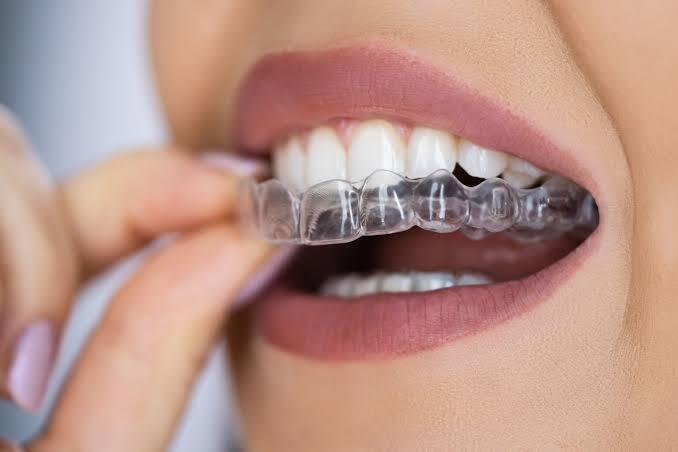
Orthodontic problems can affect more than the appearance of a smile. Misaligned teeth, uneven spacing, and bite irregularities may also make chewing, speaking, and maintaining proper oral hygiene more challenging. Traditionally, metal braces have been a common solution for correcting these concerns. However, advancements in dental technology have introduced clear aligners as a discreet and convenient alternative for many patients.
Clear aligners are custom-made transparent trays designed to move teeth gradually into more desirable positions. They offer an alternative to traditional braces without the need for visible metal brackets and wires. Although they are not suitable for every orthodontic condition, they can address several common alignment problems.
Understanding which orthodontic issues clear aligners can treat helps patients make informed decisions about their dental care and explore suitable treatment options.
Crowded teeth are among the most common orthodontic problems. This condition develops when there is insufficient space in the dental arch for all teeth to fit properly. As a result, teeth may overlap, twist, or become positioned unevenly.
Clear aligners can help correct mild to moderate crowding by applying controlled pressure to selected teeth. Through a series of customised trays, teeth gradually move towards their planned positions.
In certain cases, orthodontists may recommend interproximal reduction, which involves removing a small amount of enamel between specific teeth to create additional space. Attachments may also be used to improve the precision of tooth movements.
Correcting crowding can improve smile appearance and make daily brushing and flossing easier.
Dental gaps, also known as spacing problems or diastema, occur when noticeable spaces develop between individual teeth. These gaps may result from differences in tooth and jaw size, missing teeth, natural development, or certain oral habits.
Clear aligners can gradually close suitable spaces by moving teeth towards each other. Each tray is designed to produce small adjustments that contribute to the overall treatment result.
Patients with mild or moderate spacing concerns may benefit from this approach. However, gaps caused by missing teeth or significant differences in tooth size may require additional procedures, such as restorative dental treatment.
An overbite occurs when the upper front teeth overlap the lower front teeth vertically. Although a small overlap is normal, an excessive overbite can create functional and dental concerns.
Depending on its severity and underlying cause, an overbite may contribute to uneven tooth wear, discomfort, or damage to the soft tissues inside the mouth.
Clear aligners can help correct certain dental overbites through carefully planned tooth movements. Special attachments and orthodontic elastics may also be incorporated into the treatment plan to improve the relationship between the upper and lower teeth.
Severe overbites caused by skeletal differences may require more comprehensive orthodontic treatment.
An underbite develops when the lower front teeth extend beyond the upper front teeth when the mouth closes. This condition may be associated with differences in jaw development or the positioning of individual teeth.
Clear aligners can help treat selected mild underbite cases, particularly when the problem is primarily dental rather than skeletal.
Treatment involves gradually repositioning teeth to improve how the upper and lower dental arches meet. Orthodontic elastics may sometimes be recommended to support the required movements.
However, significant jaw discrepancies cannot generally be corrected with aligners alone. A professional assessment is necessary to determine the most appropriate treatment.
A crossbite occurs when one or more upper teeth sit inside the corresponding lower teeth instead of slightly outside them. It can affect the front teeth, back teeth, or both sides of the mouth.
If left untreated, certain crossbites may contribute to uneven tooth wear, gum recession, and asymmetrical tooth positioning.
Clear aligners can correct some crossbite conditions by gradually repositioning affected teeth. Attachments and elastics may be used to achieve more controlled movements.
The suitability of aligner treatment depends on whether the crossbite is caused by dental positioning or an underlying skeletal problem.
An open bite is an orthodontic condition in which the upper and lower teeth do not meet properly when the mouth closes. It is particularly noticeable when a gap remains between the front teeth.
This condition may develop because of genetics, tongue-thrusting habits, prolonged thumb sucking, or other factors affecting dental development.
Clear aligners can help correct certain open bites by adjusting the vertical positioning of selected teeth and improving how the dental arches meet.
However, identifying the underlying cause is important. Patients may also need to address contributing oral habits to support long-term treatment stability.
Rotated teeth occur when individual teeth turn away from their normal alignment. This can affect the appearance of the smile and create areas where plaque and food particles accumulate.
Clear aligners can gradually rotate certain teeth using customised trays. Small tooth-coloured attachments may be added to help the aligners grip specific teeth and produce more predictable movements.
The complexity of treatment depends on the degree of rotation, tooth position, and available space within the dental arch.
Some patients experience multiple alignment concerns rather than one specific orthodontic problem. Their teeth may appear uneven, with different levels of spacing, overlapping, or irregular positioning.
Clear aligners can address several of these concerns within one customised treatment plan. The orthodontist evaluates the position of individual teeth and determines the movements needed to achieve a more balanced dental arrangement.
Treating multiple issues requires careful planning to ensure that the final result supports both smile appearance and proper bite function.
Some people experience changes in their tooth positions after completing traditional orthodontic treatment. This is known as orthodontic relapse and may occur when retainers are not worn as recommended.
Clear aligners can help correct certain mild relapse cases by gradually returning teeth towards their intended positions.
Treatment may be suitable for patients who develop small gaps, minor crowding, or slight rotations after previous braces. However, more complicated relapse cases may require additional orthodontic procedures.
Clear aligners use a sequence of custom-made transparent trays to apply gentle, controlled forces to the teeth. Each set is designed to make specific adjustments according to a digital treatment plan.
The process generally involves several stages:
Initial consultation: The orthodontist examines the teeth, gums, and bite to identify existing problems.
Digital scanning: Dental scans and photographs help create a detailed representation of the patient's teeth.
Treatment planning: A customised plan outlines the expected tooth movements and treatment stages.
Aligner fabrication: A series of trays is produced according to the approved treatment plan.
Regular monitoring: Follow-up appointments help the orthodontist evaluate progress and recommend refinements when necessary.
Patients are generally instructed to wear their aligners for approximately 20 to 22 hours daily, removing them for meals, drinks other than water, and oral hygiene.
Although clear aligners can treat many orthodontic concerns, they are not appropriate for every case. Severe crowding, complex jaw discrepancies, significant bite irregularities, and certain difficult tooth movements may require traditional braces or combined orthodontic approaches.
Treatment suitability also depends on dental health and patient cooperation. Consistent aligner wear is essential because removing trays for extended periods can interfere with planned tooth movements.
An orthodontic examination helps identify the most appropriate treatment based on individual dental conditions and long-term goals.
Maintaining the results of orthodontic treatment requires ongoing care. After completing aligner treatment, patients are usually advised to wear retainers to prevent teeth from gradually shifting towards their previous positions.
Good oral hygiene is equally important. Regular brushing, flossing, and professional dental examinations help maintain healthy teeth and gums.
Patients should also follow their orthodontist's instructions regarding retainer use and attend recommended follow-up appointments.
Clear aligners can treat several common orthodontic problems, including crowded teeth, dental gaps, overbites, underbites, crossbites, open bites, and rotated teeth. Their effectiveness depends on the severity of the condition, the underlying cause, and the patient's commitment to following the treatment plan.
For individuals considering orthodontic correction, Dr Hasan Odeh can help assess dental alignment concerns and explore suitable treatment options. Professionally supervised Invisible Aligners in Dubai offer a discreet approach to improving tooth positioning, bite function, and overall smile appearance. A personalised orthodontic consultation is the best starting point for determining whether clear aligners are appropriate for your dental needs.