English
 Arabic
 French
 Spanish
 Portuguese
 Deutsch
 Turkish
 Dutch
 Italiano
 Russian
 Romaian
 Portuguese (Brazil)
 Greek

Study in Europe Without IELTS: Visa Options & Requirements 2027
Online Education |
2026-10-15 05:56:01
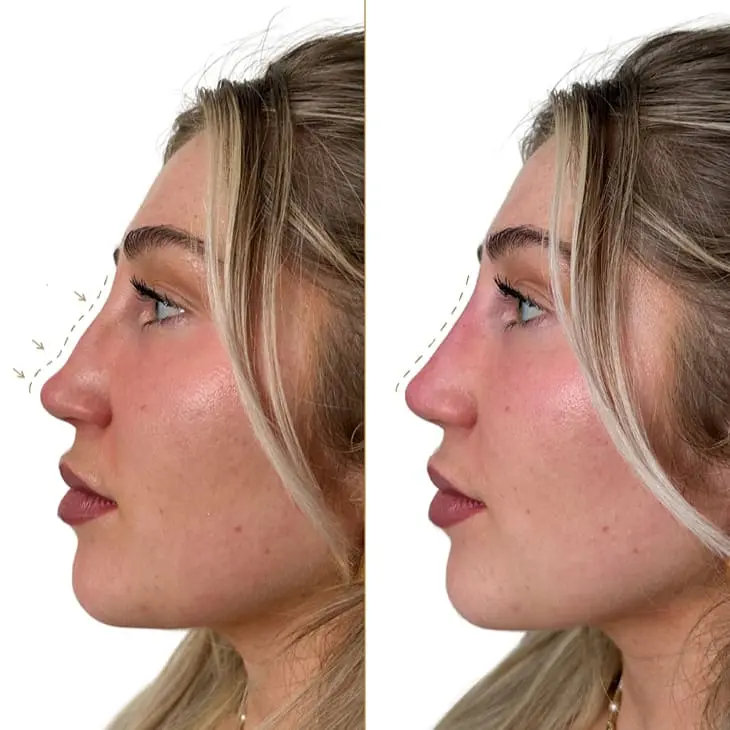
The nose plays an important role in defining facial appearance, proportions, and overall harmony. Even minor changes to its shape can influence how other facial features look together. People who are unhappy with their nasal appearance often consider different cosmetic treatments to achieve their desired results. Two commonly discussed options are surgical rhinoplasty and non-surgical nose fillers. Although both treatments can improve certain aesthetic concerns, they work differently and are suitable for different needs.
Nose fillers offer a temporary way to adjust selected nasal contours without surgery, while surgical rhinoplasty can make more significant and permanent structural changes. Understanding when surgery may be a better option helps individuals choose an approach that matches their aesthetic goals, medical requirements, and expectations.
Surgical rhinoplasty is a cosmetic or functional procedure that changes the structure of the nose. Depending on the patient's needs, a surgeon may reshape cartilage, adjust nasal bones, modify the nasal tip, or alter the nasal bridge.
The procedure can address several concerns, including a prominent nasal hump, a wide nasal structure, significant asymmetry, and certain breathing-related problems. It may also be performed to correct structural changes caused by injuries or previous surgeries.
Unlike temporary injectable treatments, surgical rhinoplasty provides structural alterations that generally produce long-lasting results. However, the final appearance develops gradually as swelling decreases and the tissues heal.
Non-surgical rhinoplasty uses injectable dermal fillers, commonly hyaluronic acid-based products, to adjust the appearance of selected areas of the nose.
The treatment involves adding volume to specific points to create smoother-looking contours or improve the appearance of minor irregularities. For example, filler may be placed around a small depression in the nasal bridge to create a straighter-looking profile.
However, nose fillers cannot remove tissue, reduce the actual size of the nose, or correct significant structural abnormalities. Their results are temporary, and the procedure also carries potentially serious vascular risks because of the complex blood supply around the nose.
Surgical rhinoplasty is generally a better option when an individual wants substantial changes to the nose's shape or structure.
For example, someone with a prominent nasal hump, a broad nasal bridge, or a large nasal tip may require structural modification rather than additional volume. Fillers can camouflage certain irregularities, but they cannot physically remove excess bone or cartilage.
Surgery allows the surgeon to modify the underlying nasal framework according to the patient's anatomy and treatment goals.
One of the most important differences between these treatments is their effect on nasal size. Nose fillers add volume, meaning they cannot physically make the nose smaller.
Individuals who want to reduce the width, length, projection, or overall size of their nose may benefit more from surgical rhinoplasty.
During surgery, selected cartilage and bone structures can be reshaped or adjusted to achieve a smaller or more proportionate appearance. The exact changes depend on facial anatomy, skin characteristics, and surgical suitability.
Minor surface irregularities may sometimes be improved with carefully placed fillers. However, significant asymmetry involving the nasal bones, cartilage, or overall structure often requires surgical correction.
Surgical rhinoplasty allows the surgeon to address underlying structural differences rather than simply adding volume to selected areas.
This can be particularly relevant for individuals whose noses appear noticeably crooked or uneven from the front.
Functional concerns are another important reason to consider surgical treatment. Some people experience difficulty breathing because of a deviated septum, enlarged turbinates, or other internal nasal abnormalities.
Dermal fillers cannot correct these problems because they only modify external contours.
Depending on the diagnosis, a patient may require septoplasty, functional rhinoplasty, or another appropriate surgical procedure. A medical assessment is necessary to identify the actual cause of breathing difficulties and determine the most suitable treatment.
People who want a lasting change to their nasal appearance may find surgical rhinoplasty more suitable than temporary filler treatments.
Hyaluronic acid fillers gradually break down over time, meaning patients may need repeat treatments to maintain their results. Surgical rhinoplasty, on the other hand, changes the underlying nasal structure and generally provides long-lasting results.
Although natural ageing and other factors can influence the nose over time, surgery is often considered when someone wants a more permanent structural improvement.
Accidents, sports injuries, and other forms of trauma can affect nasal bones and cartilage. These changes may result in a crooked appearance, uneven bridge, or difficulty breathing.
While fillers may camouflage certain minor contour irregularities, they cannot repair displaced bones or damaged internal structures.
Surgical rhinoplasty may be appropriate when an injury has created significant structural changes. The surgeon can evaluate the damage and recommend a procedure based on both appearance and nasal function.
Some individuals consider surgical rhinoplasty after experiencing unsatisfactory results from previous non-surgical treatments.
Repeated filler injections can add volume to the nose, potentially creating an overly full appearance. In these situations, further filler may not be the appropriate solution.
A qualified surgeon can assess the existing filler, nasal anatomy, and treatment history before recommending the next step. Depending on the circumstances, additional evaluation or management of previous filler may be necessary before surgery.
Understanding the differences between both procedures can make treatment decisions easier.
|
Feature |
Surgical Rhinoplasty |
Nose Fillers |
|
Treatment type |
Surgical procedure |
Injectable treatment |
|
Nose size reduction |
Possible |
Not possible |
|
Structural changes |
Yes |
No |
|
Breathing correction |
Possible in suitable cases |
No |
|
Results |
Generally long-lasting |
Temporary |
|
Recovery |
Requires surgical healing |
Usually shorter recovery |
|
Main purpose |
Structural reshaping |
Minor contour refinement |
Both treatments have different purposes, and neither is automatically the right choice for everyone. A professional assessment is essential before selecting either approach.
American Society of Plastic Surgeons+2
Before undergoing surgical rhinoplasty, individuals should consider several important factors:
Medical suitability: A complete health assessment helps determine whether surgery is appropriate.
Realistic expectations: The goal should be facial harmony rather than achieving an unrealistic or perfectly symmetrical nose.
Surgeon's experience: Choose a suitably qualified surgeon with relevant experience in nasal surgery.
Recovery requirements: Surgical rhinoplasty involves swelling, bruising, and a healing period that varies between patients.
Potential complications: Discuss risks such as infection, bleeding, breathing changes, scarring, and the possibility of revision surgery.
Treatment goals: Clearly communicate the changes you want and understand what can realistically be achieved.
A detailed consultation with an experienced professional helps patients understand the available options and make decisions based on their individual needs.
American Society of Plastic Surgeons+1
Choosing an appropriate nose enhancement treatment requires careful consideration of facial proportions, nasal anatomy, and individual expectations. Dr Hussam Abbadi recognises the importance of understanding these factors when discussing nasal aesthetic procedures.
A personalised assessment can help identify whether a concern involves a minor contour irregularity or a more significant structural issue. This distinction is important because non-surgical fillers and surgical rhinoplasty offer different capabilities.
Patients should have the opportunity to discuss their desired appearance, understand the limitations of each procedure, and receive professional guidance before proceeding with treatment.
Surgical rhinoplasty may be a better option than nose fillers when an individual requires significant reshaping, nose size reduction, correction of major asymmetry, or improvement in structural breathing problems. While fillers can address selected minor contour irregularities, they cannot provide the same structural changes as surgery. The most appropriate treatment depends on nasal anatomy, medical suitability, aesthetic expectations, and professional assessment. Individuals exploring Nose Fillers in Dubai can consult Dr Hussam Abbadi to understand the differences between surgical and non-surgical nose enhancement and determine which approach may best suit their facial aesthetic goals.