English
 Arabic
 French
 Spanish
 Portuguese
 Deutsch
 Turkish
 Dutch
 Italiano
 Russian
 Romaian
 Portuguese (Brazil)
 Greek
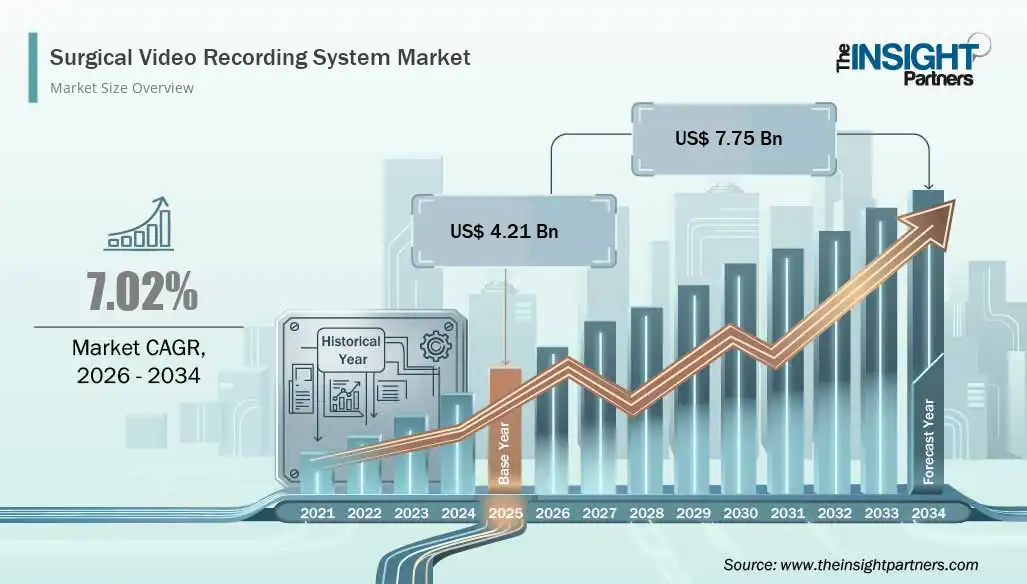
Global Surgical Video Recording System Market Growth Supported by Smart Operating Rooms
Health |
2026-10-27 10:32:17
Dev Uthani Ekadashi 2026 is an important Hindu fasting occasion, but people living with diabetes should take extra care before observing the vrat. Fasting can affect blood glucose levels and may increase the risk of hypoglycaemia, hyperglycaemia and dehydration. With medical guidance, some people may be able to observe a modified fast, while others should avoid fasting and choose alternative forms of devotion.
Shop Sadhana encourages devotees to approach religious observances with faith, awareness and care for their well-being. This guide explains the precautions people with diabetes should understand, how to prepare for the occasion and how to participate in Dev Uthani Ekadashi without unnecessarily risking their health.
By Shop Sadhana Editorial Team
Published: November 18, 2026 | Last updated: November 18, 2026
People with diabetes should consult their doctor or diabetes care team before keeping the Dev Uthani Ekadashi 2026 fast. Whether fasting is appropriate depends on the type of diabetes, blood glucose control, medicines, insulin use, existing complications and the duration of the proposed fast.
A religious fast may involve avoiding grains, eating only fruits or having no food for an extended period. Some traditions also restrict water. These practices can create additional challenges for people whose diabetes treatment depends on regular meals, fluids or carefully timed medication.
According to the American Diabetes Association's Standards of Care in Diabetes—2026, people planning religious fasting should receive an individual risk assessment and have their treatment plan reviewed in advance. The guidance highlights risks including low blood glucose, high blood glucose, dehydration and diabetic ketoacidosis.
Fasting changes the timing and amount of food a person consumes. If diabetes medication continues without appropriate medical adjustments, blood glucose may fall too low. On the other hand, missing prescribed medication or becoming dehydrated can contribute to high blood glucose and other complications.
The main risks include:
Hypoglycaemia: Blood glucose can become dangerously low, particularly for people using insulin or certain diabetes medicines.
Hyperglycaemia: Blood glucose may rise if medication is missed or food choices and portions change.
Dehydration: Avoiding fluids can increase the risk of dehydration, especially when blood glucose is high.
Diabetic ketoacidosis: Some people may be at risk of this serious complication, particularly when insulin is insufficient or they become unwell.
A strict fast may be unsuitable for people who have a high risk of diabetes-related complications. People using insulin, those who experience frequent low blood glucose, and individuals with kidney, heart, eye or nerve complications should discuss fasting with their healthcare team.
People who are pregnant, unwell, recovering from an illness or unable to manage their blood glucose reliably should also seek medical advice before considering a fast.
If a doctor advises against fasting, there is no need to put health at risk to observe the religious occasion. Prayer, meditation, devotional reading and participation in puja can be meaningful alternatives.
Preparation is essential for anyone with diabetes who is considering a religious fast. Do not wait until the evening before Ekadashi to discuss your plans with your doctor.
Explain the type of fast you intend to observe. Tell your doctor whether you plan to avoid grains, eat only fruits, skip meals or avoid water.
Ask your healthcare team to assess your individual risk and explain whether fasting is appropriate. If it is considered possible, request a written plan covering food, medication, blood glucose monitoring and situations in which you must stop fasting.
Never stop, skip, reduce or change the timing of prescribed diabetes medication on your own.
Some medicines, including insulin and sulfonylureas, can increase the risk of low blood glucose when meals are missed. Other medicines may require specific precautions depending on your health and hydration status.
Your doctor should decide whether any medication adjustment is necessary. Do not copy another person's diabetes fasting schedule because treatment requirements differ.
Regular monitoring helps identify changes in blood glucose during a fast. Your healthcare team should tell you how frequently to check your levels and what readings require action.
Keep your glucose meter or continuous glucose monitor available, along with testing supplies and your prescribed emergency treatment for low blood glucose.
If you are concerned about whether checking glucose affects your religious observance, discuss the matter with your spiritual guide. Do not skip medically necessary monitoring.
If your doctor approves a modified fast, discuss suitable meals and portion sizes with a registered dietitian or diabetes educator.
A meal plan should account for your usual medication, carbohydrate requirements and blood glucose targets. Avoid assuming that every traditional fasting food is automatically suitable for diabetes.
Keep your glucose monitoring equipment, prescribed low-glucose treatment, medication and emergency contact details accessible.
Inform a family member or someone you trust about your fasting plan. They should know the warning signs of low blood glucose and what to do if you become confused or unwell.
There is no single Ekadashi fasting method that is safe for every person with diabetes. The suitability of a fasting practice depends on individual medical circumstances, not simply on whether the food is traditionally permitted.
A Nirjala fast involves avoiding both food and water. This can be particularly risky for people with diabetes because dehydration and changes in blood glucose may become serious.
A modified fast may involve eating selected foods or maintaining fluid intake, depending on the religious tradition. However, even a modified fast needs medical approval and an appropriate meal and medication plan.
Important: Do not assume that a fruit-only fast, water-only fast or one-meal fast is safe simply because it is less restrictive than Nirjala fasting.
Some Ekadashi traditions allow fruits, but people with diabetes need to consider the type, quantity and timing of fruit.
Fruit contains natural carbohydrates that can affect blood glucose. Large portions, fruit juices and dried fruits may cause different glucose responses from smaller portions of whole fruit.
If your doctor approves fruit consumption during a modified fast, ask about appropriate portions and suitable choices. Do not replace prescribed meals with fruit without professional guidance.
Sabudana, potatoes and kuttu are commonly used in some Ekadashi preparations. However, traditional fasting foods are not automatically appropriate for everyone with diabetes.
Sabudana and potatoes contain carbohydrates and can affect blood glucose. Kuttu preparations may also contain substantial carbohydrates depending on the recipe and serving size.
Consider these points before including a food in your fasting meal:
Check the carbohydrate content and serving size.
Avoid assuming that a fasting label means a food is low in carbohydrates.
Be careful with fried foods and recipes containing added sugar.
Discuss suitable portions with your dietitian.
Monitor your blood glucose according to your medical plan.
Blood glucose monitoring is one of the most important precautions for people with diabetes who have medical approval to fast.
Your doctor should provide personal glucose thresholds and explain when to stop fasting. Do not rely only on how you feel because blood glucose can sometimes become abnormal without obvious early symptoms.
Low blood glucose, also known as hypoglycaemia, can cause:
Shaking or trembling
Sweating
Sudden hunger
Dizziness or weakness
Fast heartbeat
Headache
Confusion or difficulty concentrating
Unusual irritability
If your glucose reading reaches the low threshold provided by your healthcare team, or you develop symptoms of hypoglycaemia, stop fasting and follow your prescribed treatment plan immediately.
Diabetes UK advises people experiencing a hypo to break the fast and treat the low blood glucose with their usual hypo treatment, such as glucose tablets or a sugary drink, followed by an appropriate snack.
Do not delay treatment to complete a religious fast. If someone becomes unconscious or cannot swallow safely, do not give them food or drink by mouth. A trained person should use prescribed emergency glucagon if available and seek emergency medical help.
High blood glucose, also called hyperglycaemia, may cause:
Excessive thirst
Frequent urination
Unusual tiredness
Blurred vision
Dry mouth
Headache
Follow the high-glucose action plan provided by your diabetes care team. If you have been advised to stop fasting at a particular glucose level, follow that instruction.
If you are not drinking during the fast and develop high blood glucose, dehydration may become a concern. Seek medical advice and drink water if your medical action plan instructs you to do so.
Vomiting, abdominal pain, deep or rapid breathing, severe weakness or confusion can indicate a medical emergency. Seek urgent medical attention rather than continuing the fast.
Food planning should be based on individual medical advice. There is no universal Ekadashi meal plan for people with diabetes because dietary requirements and medication schedules vary.
If your doctor approves fasting, discuss a balanced meal plan for the period before it begins.
Depending on your dietary requirements, your healthcare professional may recommend meals containing suitable portions of carbohydrates, protein, fibre and other nutrients. Avoid overeating in anticipation of the fast or deliberately skipping meals to prepare your body.
Follow the meal and hydration instructions provided by your healthcare team. Do not replace prescribed meals with large portions of fruit, sabudana preparations or sugary drinks without checking whether they fit your diabetes plan.
If your religious observance permits water, follow your clinician's hydration advice. If it does not, discuss the additional risk of fluid restriction before making a decision to fast.
Breaking the fast, traditionally called Parana, should also be approached carefully.
Avoid eating a very large meal immediately after fasting. Follow your doctor's advice about meal timing, carbohydrate portions and medication. Continue monitoring your blood glucose as instructed.
If you have been advised not to fast, do not delay meals or medication simply to follow the Parana schedule.
People who cannot safely fast can still participate in the spiritual significance of Dev Uthani Ekadashi. Religious devotion does not have to depend on food or water restriction.
Consider these alternatives:
Perform Vishnu Puja: Offer prayers to Lord Vishnu according to your family tradition.
Read devotional texts: Spend time reading religious stories, teachings or scriptures.
Chant mantras: Practise simple prayers and devotional chanting.
Practise meditation: Use the occasion for reflection, gratitude and spiritual discipline.
Perform charity: Help someone in need through food donations, clothing or other acts of kindness, according to your ability.
Attend a religious gathering: Participate in a temple visit or family puja if your health and circumstances permit.
Shop Sadhana supports a thoughtful approach to religious observances in which devotion and personal well-being are both respected.
Neeb Karori Baba, also known as Neem Karoli Baba, is remembered by devotees for teachings associated with love, service, faith and humility. His spiritual legacy can inspire people to approach religious occasions with sincerity and compassion.
For people living with diabetes, these values can also encourage a balanced approach to religious practice. Taking care of one's health, accepting medical guidance and choosing a safe form of devotion need not reduce the spiritual meaning of Ekadashi.
Devotees can use the occasion to practise kindness, help others and strengthen their faith without feeling pressured to follow a strict fast that may be medically unsuitable.
Yes. Devotees who wish to include Shiv Chalisa in their personal prayers may do so according to their beliefs and family traditions. Reading devotional verses does not require food restriction or a strict fast.
Dev Uthani Ekadashi is primarily associated with Lord Vishnu and his awakening from Yoga Nidra. Shiv Chalisa is a devotional prayer dedicated to Lord Shiva, so it is an optional personal practice rather than a compulsory part of Vishnu-focused Ekadashi observance.
People with diabetes can spend time reading Shiv Chalisa, chanting or meditating while following their prescribed meal, medication and blood glucose monitoring schedule.
Dev Uthani Ekadashi 2026 is observed on Friday, November 20, according to the Smarta calendar listing for New Delhi on Drik Panchang. The Ekadashi tithi begins at 7:15 AM on November 20 and ends at 6:31 AM on November 21, 2026.
For New Delhi, the listed Smarta Parana window is November 21, from 1:11 PM to 3:18 PM. The Gauna or Vaishnava observance is listed on November 21, with a separate Parana window on November 22.
These timings are location- and tradition-specific. Devotees should check the Panchang for their own city and follow their family's observance.
For people with diabetes: Do not delay a medically necessary meal, water intake or medication to wait for the traditional Parana time. Your medical safety plan should take priority.
Keeping the Dev Uthani Ekadashi 2026 fast while living with diabetes requires careful planning and medical guidance. A strict fast, particularly one that restricts both food and water, may be unsafe for some people. A medically approved modified observance or devotional activities without fasting can be meaningful alternatives.
Remember these key points:
Consult your diabetes care team before deciding to fast.
Never change or skip prescribed medication without medical advice.
Monitor blood glucose according to your individual plan.
Stop fasting if your healthcare team’s safety thresholds or warning symptoms require it.
Choose prayer, puja, charity and meditation if fasting is not suitable.
Shop Sadhana encourages devotees to celebrate Dev Uthani Ekadashi with faith, understanding and care. Choose an observance that respects both your spiritual beliefs and your health.
Some people with diabetes may be able to observe a modified fast after an individual medical assessment. Others, particularly those at higher risk of low blood glucose, dehydration or complications, may need to avoid fasting. Consult your diabetes care team before making a decision.
People taking insulin may have an increased risk of hypoglycaemia when meals are missed or delayed. They should not change insulin doses or timings independently. A doctor must assess whether fasting is appropriate and provide an individual treatment and monitoring plan.
A Nirjala fast involves avoiding both food and water and can create significant health risks for people with diabetes. Dehydration and abnormal blood glucose levels are important concerns. People with diabetes should not attempt a Nirjala fast without medical assessment, and many may be advised to avoid it.
Some people with diabetes may include suitable portions of whole fruit in a medically approved meal plan. However, fruit contains carbohydrates and can affect blood glucose. Portion size, fruit type and medication timing matter, so ask your dietitian or diabetes care team for individual advice.
Yes, these symptoms may indicate low blood glucose, although other conditions can also cause them. Check your glucose level if possible and follow your prescribed action plan. If hypoglycaemia is suspected, stop fasting and treat it immediately. Seek urgent help for severe symptoms.
Yes. Reading Shiv Chalisa can be a personal devotional practice and does not require fasting. People with diabetes can participate in prayers, chanting and meditation while continuing their prescribed meals, medication and glucose monitoring.
Devotees often associate Neeb Karori Baba's teachings with love, faith, humility and service. These values can inspire a thoughtful approach to religious observances. People with diabetes can express devotion through prayer, kindness and charity without undertaking a fast that may put their health at risk.
The appropriate meal depends on the person's diabetes treatment and dietary requirements. Avoid overeating after a fast and follow your clinician's advice about carbohydrate portions, meal timing and medication. Continue monitoring blood glucose according to your individual plan.
Blood glucose monitoring is an important safety measure for people with diabetes. Do not skip a glucose check because of a religious concern. If you are unsure whether a particular monitoring method affects your observance, discuss it with your spiritual guide while following your healthcare team's instructions.
Shop Sadhana shares devotional information and practical festival guidance to help readers understand religious observances. People can use its content to learn about Ekadashi traditions, prayers and spiritual practices while seeking qualified medical advice for personal health decisions.
Shop Sadhana Editorial Team creates devotional and festival-related content to help readers understand Hindu traditions, religious observances and spiritual practices. The team focuses on presenting accessible information for devotees and families celebrating festivals in India and abroad. Medical guidance in this article should be confirmed with a qualified healthcare professional.