English
 Arabic
 French
 Spanish
 Portuguese
 Deutsch
 Turkish
 Dutch
 Italiano
 Russian
 Romaian
 Portuguese (Brazil)
 Greek
Professional Fridge Repair in Dubai – Same-Day Service Available
Home Services & Local Business |
2026-10-26 11:44:41
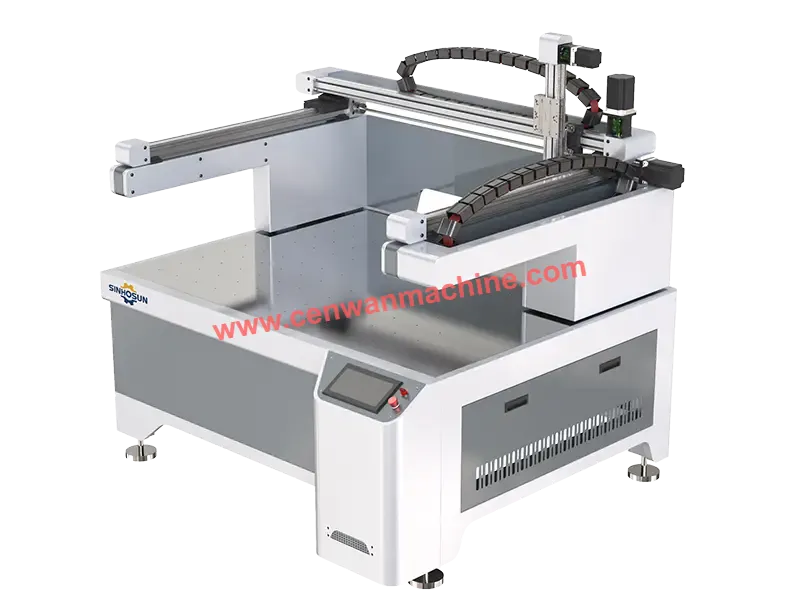
When a packaging workshop begins handling cartons with different shapes, folding patterns, and adhesive requirements, choosing an Auto Folder Gluer Machine becomes a decision connected to the entire production process rather than a single piece of equipment. A box that looks straightforward on a drawing may behave differently after printing, creasing, folding, and glue application. Purchasing discussions therefore need to begin with actual packaging samples, the expected working environment, and the type of finished carton that customers receive. Understanding these conditions helps buyers identify equipment suitable for their manufacturing operations without relying entirely on general descriptions or sales terminology.
Carton construction is one of the first details worth examining. Straight-line boxes, crash-lock bottom cartons, multi-panel packaging, and other folding structures can involve different movement sequences and adhesive positions. The board itself also affects how a carton travels through the machine. Thin material may bend easily, while thicker board can require careful handling around creases and folding edges. Coated surfaces, printed areas, and pre-existing folds introduce additional considerations. Buyers should prepare representative samples covering their regular production work and discuss whether the proposed equipment can process these structures within the intended operating conditions.
Folding accuracy deserves attention during equipment evaluation because small deviations can become visible after cartons are assembled. A panel that does not follow its crease may create an uneven edge, while a flap positioned incorrectly can affect the finished shape. When inspecting a demonstration, buyers should look at the relationship between the printed design, crease lines, folded panels, and glued sections. The carton should be examined from several angles instead of judging its appearance only from the front. Repeated samples also help reveal whether the process remains consistent throughout a demonstration or changes as the machine continues running.
Adhesive application is another practical area to review. The location of glue, the amount applied, and the timing between application and carton contact influence the finished joint. Excess adhesive may create visible marks, while insufficient coverage can leave sections improperly bonded. Packaging requirements vary according to carton design, material surface, and how the finished product will be handled. Buyers should discuss the adhesive types used in their factory, the cleaning procedures associated with them, and how operators inspect glue application during normal work. These questions provide a clearer picture of daily production responsibilities than a general equipment description.
Workshop layout can affect equipment selection just as carton design does. The available floor area, material storage locations, feeding arrangements, finished carton collection, and movement of workers should be considered before installation. A machine positioned without sufficient access may complicate material loading, inspection, cleaning, and maintenance. The production team should also consider how cartons move from printing or die-cutting into folding and gluing, and where completed packaging goes afterward. A drawing of the existing production floor, together with photographs of nearby equipment, can help suppliers understand the installation environment and discuss suitable arrangements.
Operator experience should remain part of the purchasing conversation. Different production teams may have different levels of familiarity with folding equipment, adjustment procedures, and adhesive systems. Buyers can ask how common setup tasks are performed, which adjustments require technical assistance, and what information is provided for routine operation. During a demonstration, observing the operator prepare the machine for a carton change can reveal useful details about accessibility and working procedures. The discussion should cover the actual tasks performed by staff, including sample inspection, material preparation, cleaning, and handling cartons that require adjustment.
Maintenance planning begins before the machine reaches the factory. Buyers should identify the components requiring regular inspection, the cleaning practices associated with adhesive systems, and the procedures used when production stops unexpectedly. Documentation should describe the equipment configuration supplied, relevant operating instructions, maintenance schedules, and the process for obtaining replacement parts. Packaging manufacturers also need to consider the availability of technical communication across time zones, particularly when equipment is purchased internationally. During supplier discussions, clear written records of the proposed configuration, included accessories, installation arrangements, and responsibilities can help prevent misunderstandings after the purchase agreement has been prepared.
Choosing an Auto Folder Gluer Machine should involve a review of the carton samples, working conditions, folding requirements, adhesive process, and maintenance arrangements that define the intended application. A supplier conversation becomes easier to evaluate when these details are recorded together instead of being scattered across emails and product descriptions. The equipment range at https://www.cenwanmachine.com/product/ can be included in the comparison process, with the selected configuration discussed against the packaging work planned for the factory. On a sample carton placed beside the production table, the folded corners, crease alignment, and adhesive seam provide visible details for the next purchasing discussion.