English
 Arabic
 French
 Spanish
 Portuguese
 Deutsch
 Turkish
 Dutch
 Italiano
 Russian
 Romaian
 Portuguese (Brazil)
 Greek
Advanced Compression Therapy Products Driving Innovation in the Abdominal Binders Market
Other |
2026-11-10 07:22:08
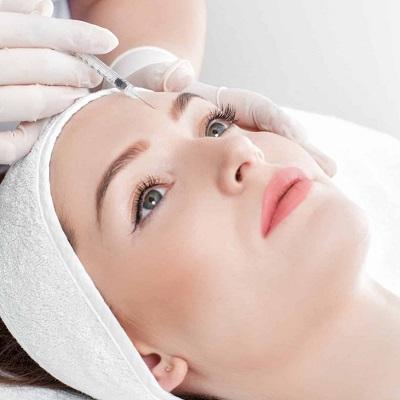
Botox is a popular non-surgical cosmetic treatment for people who want to reduce the appearance of wrinkles and achieve a smoother, refreshed facial appearance. Although the procedure is relatively quick and requires minimal downtime, proper aftercare plays an important role in supporting a comfortable recovery and achieving the desired results. Patients should understand that what they do after treatment can influence their overall experience and help them avoid unnecessary irritation or complications.
Following Botox Injections, patients are generally able to return to their usual daily routines, but certain activities and habits should be avoided for a short period. From rubbing the treated areas to engaging in strenuous exercise immediately after the procedure, some actions may increase discomfort, bruising, or unwanted pressure around the injection sites. Understanding these precautions helps patients make informed decisions and follow appropriate post-treatment care.
One of the most important precautions after Botox is avoiding unnecessary pressure on the treated areas. Although patients may feel tempted to touch their forehead, eyebrows, or the areas around their eyes to check for changes, rubbing and massaging should be avoided.
Botox is injected into specific muscles to temporarily reduce their activity. Applying unnecessary pressure or repeatedly manipulating the injection sites immediately after treatment is generally discouraged because it may irritate the skin and potentially affect the intended placement of the product.
Patients should avoid:
Rubbing or scratching the injection sites.
Massaging the forehead or areas around the eyes.
Applying firm pressure while washing the face.
Using facial rollers or massage tools immediately after treatment.
Pressing the treated areas while applying skincare products.
Gentle facial cleansing is usually acceptable, provided it does not involve vigorous rubbing. Patients should use light movements and avoid unnecessary contact with the injection points.
It is also advisable to follow the specific instructions provided by the treating healthcare professional. Recommendations may vary depending on the injection locations and individual treatment plans.
Physical activity is beneficial for general health, but intense exercise is usually best avoided for the remainder of the day following Botox treatment, unless the healthcare professional provides different instructions.
Activities that involve significant exertion can temporarily increase blood flow, body temperature, and physical pressure. Although there is limited evidence that ordinary exercise directly affects Botox placement, avoiding strenuous activity immediately after injections may help reduce discomfort and bruising around the treated areas.
Activities patients may consider postponing include:
Running and jogging.
High-intensity interval training.
Heavy weightlifting.
Intense cycling sessions.
Demanding fitness classes.
Exercises involving repeated bending or inverted positions.
Light activities, such as gentle walking, are generally acceptable for most patients.
Patients should also avoid rushing back into demanding workouts immediately after treatment. Waiting until the following day is a commonly recommended precaution, although individual instructions should always take priority.
Returning to exercise gradually allows patients to remain comfortable while following appropriate post-treatment guidance.
Exposure to excessive heat is another precaution worth considering after Botox injections. Although normal daily temperatures are not generally a concern, activities involving prolonged or intense heat may increase temporary redness, flushing, and discomfort.
Patients are often advised to avoid saunas, steam rooms, hot tubs, and very hot baths for approximately 24 hours after treatment or for the period recommended by their healthcare professional.
Heat-related activities to avoid temporarily include:
Visiting a sauna.
Using a steam room.
Taking excessively hot showers or baths.
Sitting in hot tubs.
Undergoing heat-intensive spa treatments.
These precautions are mainly intended to minimise irritation and discomfort around recently treated areas. There is limited direct evidence that ordinary heat exposure causes Botox to migrate, so patients should avoid unnecessary worry while following reasonable aftercare recommendations.
When washing the face or showering, lukewarm water is generally a comfortable option. Patients should also avoid vigorous towel drying and excessive friction.
Patients are commonly advised to remain upright for approximately four hours after receiving Botox. This precaution is intended to minimise unnecessary pressure or manipulation of the treated areas during the initial period following injections.
Immediately lying down may also encourage patients to press their face against a pillow or repeatedly adjust their sleeping position.
For the first few hours after treatment, patients should avoid:
Taking a nap immediately after the appointment.
Lying flat on a bed or sofa.
Resting the face against cushions.
Pressing the forehead or cheeks against a surface.
Applying unnecessary pressure around injection sites.
After the recommended waiting period, patients can generally resume their usual sleeping routines.
When sleeping on the first night, it may be helpful to avoid positions that place excessive pressure on recently treated areas, particularly if there is tenderness or swelling.
However, patients should understand that there is limited scientific evidence linking normal sleeping positions to changes in Botox effectiveness. These recommendations are primarily precautionary and should not create unnecessary anxiety.
Alcohol consumption is another consideration after Botox treatment. Alcohol may affect blood vessel function and can increase the likelihood of bruising in some individuals. For this reason, avoiding alcohol for approximately 24 hours after injections is a common precaution.
Patients should also be careful with medications and supplements that may increase bleeding or bruising.
Examples include:
Aspirin.
Certain non-steroidal anti-inflammatory medicines.
Some fish oil supplements.
Vitamin E supplements.
Certain herbal products.
However, this does not mean patients should independently discontinue prescribed medication. Medicines such as aspirin or anticoagulants may be essential for managing existing health conditions.
Any changes to medication or supplement use should be discussed with the prescribing healthcare professional.
Patients should also avoid taking additional medication simply to manage minor post-treatment discomfort without first checking whether it is appropriate for their medical circumstances.
The safest approach involves providing a complete medication and supplement history before treatment and following individualised medical advice afterwards.
After Botox, patients should be cautious about arranging additional cosmetic procedures involving the same facial areas. Although Botox can be combined with other aesthetic treatments in some treatment plans, the timing and order of procedures matter.
Treatments that involve pressure, heat, exfoliation, or manipulation of the skin may cause unnecessary irritation when performed too soon after injections.
Examples include:
Facial massages.
Chemical peels.
Microneedling.
Laser skin treatments.
Microdermabrasion.
Certain facial spa procedures.
The appropriate waiting period depends on the type of treatment, injection locations, and individual skin condition. Patients should consult their healthcare professional before booking another cosmetic procedure.
What About Makeup and Skincare?
Many patients wonder whether they can apply makeup or use their usual skincare products after Botox.
Light makeup can generally be applied after a few hours if there is no bleeding or significant irritation, but patients should avoid vigorous application or pressure over the injection sites.
Gentle skincare products are usually acceptable, while harsh exfoliants, strong chemical treatments, and aggressive facial cleansing should be postponed if they could irritate the skin.
Following professional guidance helps patients maintain their skincare routine without unnecessarily disturbing recently treated areas.
Understanding what to expect after Botox is just as important as knowing which activities to avoid. Patients should remember that the treatment does not produce its full cosmetic effect immediately.
Some individuals notice initial improvements within three to five days, while the full results typically develop over approximately 10 to 14 days.
During this period, minor redness, swelling, tenderness, or bruising around injection sites may occur. These reactions are generally temporary and improve naturally.
However, patients should not ignore symptoms that seem unusual or become progressively worse.
Symptoms That Require Medical Attention
Although serious complications are uncommon, patients should seek prompt medical advice if they experience:
Significant or persistent swelling.
Increasing pain or unusual skin changes.
Unexpected eyelid or eyebrow drooping.
Changes in vision.
Persistent or severe headaches.
Difficulty breathing, swallowing, or speaking, as well as widespread muscle weakness, may indicate a rare but serious complication. These symptoms require immediate emergency medical attention.
Patients should also avoid judging their results too early or requesting additional injections before the full effect has developed. Waiting approximately two weeks allows a more accurate assessment of the treatment outcome.
1. How long should patients avoid touching their face after Botox?
Patients should avoid unnecessary touching, rubbing, or massaging the treated areas immediately after injections. Gentle facial cleansing is generally acceptable, but vigorous pressure should be avoided. Following the treating professional's instructions is the best way to protect the injection sites.
2. Can patients sleep normally after getting Botox injections?
Most patients can return to their normal sleeping routines after the recommended initial waiting period, commonly around four hours. Avoiding unnecessary pressure on the treated areas during the first night may help maintain comfort.
3. Is it safe to exercise the day after Botox treatment?
Most patients can resume their usual exercise routines the following day if they feel comfortable and have not received different medical instructions. Strenuous workouts are generally postponed for the remainder of the treatment day to minimise discomfort and bruising.
4. Can patients drink alcohol after Botox injections?
It is generally recommended to avoid alcohol for approximately 24 hours after Botox. Alcohol may increase the likelihood of bruising in some individuals. Patients should follow any additional recommendations based on their medical history.
5. When can patients apply makeup after Botox?
Light makeup can usually be applied after a few hours, provided the injection sites are not bleeding or significantly irritated. Patients should use clean applicators, apply products gently, and avoid rubbing or pressing the treated areas.
6. What happens if patients accidentally rub the treated area?
Accidentally touching the face does not necessarily mean the treatment has been affected. However, repeated or vigorous rubbing should be avoided. Patients who experience unusual symptoms or have concerns about their treatment should contact their healthcare professional rather than attempting to correct the area themselves.
Proper aftercare is an important part of the Botox experience. Although the treatment generally requires little downtime, patients can benefit from avoiding certain activities immediately after injections, including vigorous exercise, excessive heat exposure, facial massage, and unnecessary pressure on treated areas.
Understanding these precautions helps patients feel more confident during recovery and recognise when professional advice may be needed. It is equally important to maintain realistic expectations, allow sufficient time for results to develop, and avoid unnecessary additional treatments before the initial outcome can be assessed.
Every patient responds differently to cosmetic injections, so personalised aftercare instructions should always take priority over general recommendations. With appropriate preparation, responsible aftercare, and professional guidance, patients can approach Botox treatment with greater confidence and a clearer understanding of what to expect.
Read More About Botox Injections: https://sohomoy.com/blogs/82902/Do-Botox-Injections-Hurt-What-Does-the-Procedure-Feel-Like