English
 Arabic
 French
 Spanish
 Portuguese
 Deutsch
 Turkish
 Dutch
Dutch
 Italiano
 Russian
 Romaian
 Portuguese (Brazil)
 Greek
Greek

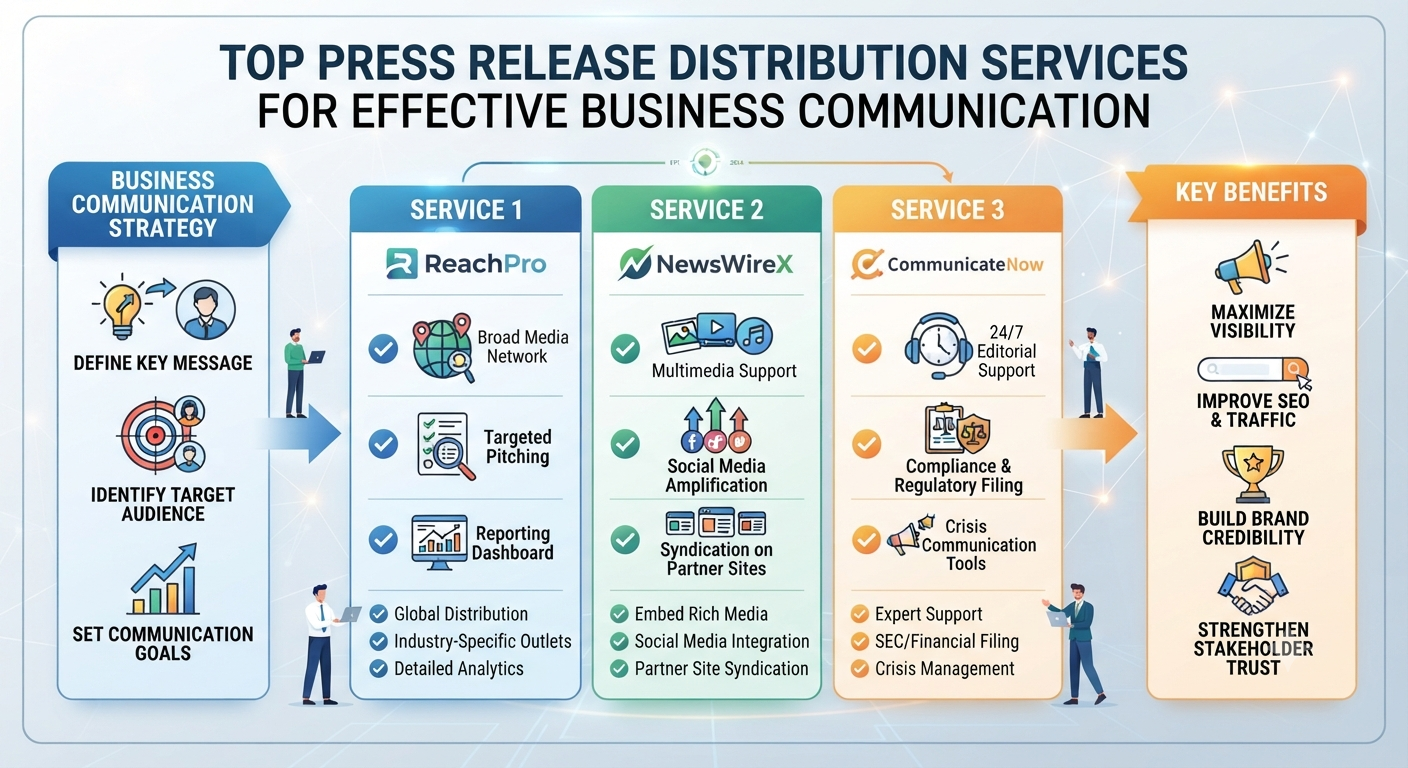
Top Press Release Distribution Services for Effective Business Communication
Other |
2026-09-28 16:20:56

"Where do I even find blogs that accept guest posts?" It is the question that stops most beginners before they start. The good news: every niche has dozens of publications hungry for expert contributors — including community platforms like YRUZ Blogs, where creators publish across forty-plus topic shelves. The better news: finding them is a repeatable process, not luck. This guide gives you six prospecting methods, qualification filters, and the outreach math that turns a list into published posts.
Find guest blogging opportunities by combining search operators ("write for us" + your niche), competitor backlink analysis, community platforms with open publishing, social listening for contributor calls, and relationship-first networking — then qualify every prospect for relevance, traffic, and editorial standards before pitching. Fifty qualified prospects reliably produce two to five placements per campaign cycle.
Google remains the fastest prospecting tool. Combine your niche keyword with contributor-intent phrases:
Work through the first five result pages per query and log every candidate. Vary the niche term (singular, plural, synonyms, adjacent topics) to multiply results. This single method routinely surfaces thirty to fifty prospects in an afternoon.
Your competitors' guest posts are a pre-qualified prospect list: any blog that published your competitor accepts outside experts in your niche. Enter a competitor's domain into a backlink tool, filter for contextual links from blogs, and look for author bios that are not the site owner — those are guest placements. Export the domains, de-duplicate against your list, and prioritize blogs that hosted multiple competitors. These prospects convert at two to three times the rate of cold search results because the "do they accept guests" question is already answered.
The highest-leverage targets are community publishing platforms where contribution is the default, not a favor. YRUZ is built exactly for this: instead of begging three editors for one slot, you publish directly to topic shelves — from digital marketing to business to technology — and your work is immediately readable, shareable, and indexed. Use community platforms two ways: as portfolio pieces that prove your quality to picky editors, and as distribution channels in their own right, since their built-in audiences and internal discovery do part of your promotion for you.
Editors announce openings where writers hang out. Set up ongoing monitoring:
Respond within 48 hours. Contributor calls get flooded fast, and early, specific pitches win.
The best placements are never advertised. Identify ten dream publications and spend a month becoming visible to their editors: share their articles with thoughtful commentary, reply substantively to their posts, reference their work in your own content, and introduce them to useful people with no ask attached. When you finally pitch, you are a familiar name, not a cold email. This method is slow and has the highest acceptance rate of anything in this guide — routinely above fifty percent — because trust precedes the ask.
The most overlooked prospecting method is attraction: publish link-worthy content on your own properties so editors come to you. Original research, industry surveys, free tools, and definitive guides naturally accumulate mentions — and every mention is a warm introduction to a blog that already respects your work. A single data study can generate a dozen inbound contributor invitations, flipping the outreach dynamic entirely. Even without research budgets, a sharply opinionated essay on a debated topic in your niche gets shared by editors looking for fresh voices. Publish two or three genuinely remarkable pieces on community hubs like YRUZ Blogs, promote them well, and watch how quickly "we would love a piece from you" emails start arriving. Outbound prospecting fills the pipeline; inbound magnetism fills it with better opportunities.
A long list of bad blogs is worse than a short list of good ones. Score each prospect:
Fifty qualified prospects per campaign cycle is the working number. Expect roughly a forty percent open rate, ten percent reply rate, and a handful of placements. Bigger lists help, but list quality moves the needle far more than list size.
Editorial fees exist on a spectrum from legitimate (large publications with real review costs) to disguised link selling. Pay only where the publication has genuine readership you would buy as advertising, disclose appropriately, and never pay a site whose main business is selling links — those networks get devalued in waves.
Go adjacent and go community. Adjacent niches share audiences (a CRM consultant can write for sales, marketing, and startup blogs). And community platforms like YRUZ let you reach readers by topic shelf without needing a dedicated niche publication to exist at all.
A simple spreadsheet with columns for blog, contact, date pitched, idea pitched, status, published URL, and link details beats any complex CRM at this scale. Review weekly, follow up once after seven days, and retire non-responders after two touches.
Keep it under 150 words: who you are in one line, two or three specific headline ideas tailored to their content gaps, one sentence on why their readers will care, and links to two writing samples. Specificity is the entire game — editors can tell in seconds whether you actually read their blog.
Seven days for the first nudge, then move on after a second unanswered follow-up. Editors are busy, not rude; a brief polite bump doubles response rates. Never follow up more than twice — persistence becomes pestering fast, and burned bridges in a niche are permanent.
Opportunities are abundant for anyone who prospects systematically: search operators for volume, competitor backlinks for pre-qualified targets, community platforms like YRUZ Blogs for instant publishing and portfolio building, social listening for fresh calls, and relationships for the placements money cannot buy. Build your list of fifty this week, qualify ruthlessly, and start pitching. The blogs are waiting — they need your expertise more than you need their platform, and the best partnerships start the moment you realize that.
If this guide helped, keep going with How to Write a Guest Post That Editors Actually Accept and Guest Post Outreach: Email Templates That Get Replies — together they turn one good idea into a complete guest-blogging system.