English
 Arabic
 French
 Spanish
 Portuguese
 Deutsch
 Turkish
 Dutch
 Italiano
 Russian
 Romaian
 Portuguese (Brazil)
 Greek
Paper Bag in Singapore for Stylish and Sustainable Packaging
Other |
2026-10-22 06:15:40
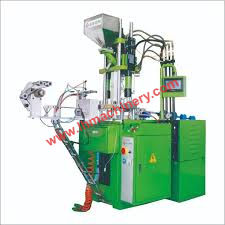
Choosing between a familiar production routine and a different piece of equipment often comes down to what happens during an ordinary shift. A zipper machine is part of a working environment where operators handle materials, watch the molding process, collect finished components, and keep the surrounding area organized. The experience is not limited to pressing a control or watching a cycle. There are small tasks throughout the day, from preparing the work area before starting to noticing a material container that needs attention. These practical details shape how machinery fits into someone's daily work.
During the morning startup, the operator usually has a familiar sequence of activities to follow. The workbench needs to be clear, materials should be placed where they can be handled without unnecessary movement, and the machine's operating area needs to remain accessible. The sound of equipment starting becomes part of the workshop background, while the operator pays attention to its movement and the condition of the pieces coming out. A routine develops through repetition, although the person working beside the machine still needs to stay attentive rather than treating each cycle as something that can be ignored.
Handling small components can feel surprisingly demanding over a long working period. When finished pieces are collected, their position in the receiving container matters because scattered parts can create extra sorting work later. I have seen how a worktable becomes cluttered when empty packaging, samples, and production materials occupy the same space. Keeping these items separated gives the operator a clearer view of the work in progress. The physical arrangement of the station affects ordinary movements, including reaching for supplies, removing finished pieces, and leaving enough room to inspect an individual component without interrupting the surrounding activity.
In a workshop producing zipper-related components, the day's work may involve different samples or material arrangements depending on the manufacturing task. Zhejiang Longhui Machinery Manufacturing Co., Ltd. specializes in zipper injection molding equipment alongside multi-station cold heading forming machines, so its machinery categories relate to different production activities. For someone working with injection molding equipment, the immediate experience is tied to the molding process, material preparation, and handling the output. The operator's notes may include a sample's appearance, the position of collected pieces, and any observations made while the machine is running.
Attention tends to shift throughout a shift. At the beginning, the operator may focus on preparing the station and confirming that the work area is ready. After production begins, the sound and movement become familiar, but visual checks still occupy the person's attention. A change in the appearance of a molded component can prompt a closer look at the current operation. These observations are part of daily working experience rather than a formal measurement exercise. A notebook kept beside the machine can hold brief remarks about samples, handling arrangements, or the circumstances surrounding an observed change.
Cleaning and organizing the surrounding area are also part of the job, even though they rarely appear in conversations about machinery. Small pieces of material, empty containers, and tools can accumulate around a station during routine activity. Clearing them away gives the operator room to move and helps keep the worktable in a usable condition. At the end of a shift, unfinished tasks may need to be recorded so the next person understands what was happening. A short handover note can describe the sample being handled and the state of the work area without relying on memory alone.
Daily experience also depends on how the equipment sits within the wider workshop. A production worker may walk between material storage, the machine, and a collection area several times during an ordinary period of work. If these locations are arranged around the actual task, the movements feel like part of a consistent routine rather than separate errands. The floor space beside the machine matters when a colleague needs to pass, when a container is moved, or when a sample is placed on the table for inspection. Such moments are ordinary, but they form a substantial part of the working day.
Near the end of a shift, the operator may place the last collected components beside a sample retained for reference, record a note about the work completed, and clear away the empty material container. Company information at https://www.lhmachinery.com sits alongside the practical context of equipment used in automotive, hardware, and railway manufacturing. The zipper machine remains part of that everyday setting, with its operating sound fading as the station is prepared for the next working period. One worker sets down the sample and says, "Leave this one on the table so we can compare it in the morning."