English
 Arabic
 French
 Spanish
 Portuguese
 Deutsch
 Turkish
 Dutch
 Italiano
 Russian
 Romaian
 Portuguese (Brazil)
 Greek
North America Biopharmaceutical Fermentation Market Outlook Amid Global Growth to US$ 49.68 Billion by 2034
Health |
2026-10-23 05:37:31
It is easy to assume that a vehicle battery supplies electricity throughout an engine's operating period, but the alternator has a different role once the engine is running. An OEM Alternator Manufacturer works with equipment designed to convert mechanical rotation into electrical energy for a vehicle's electrical system and battery charging needs. The distinction matters when looking at how power is generated, because the alternator operates through the movement provided by the engine rather than functioning as an independent energy source. Its basic task is tied to the engine's running condition and the electrical demands placed on the vehicle.
The principle behind electrical generation is electromagnetic induction. When a magnetic field and a conductor move relative to one another, electrical voltage can be induced. Inside an alternator, mechanical movement creates the conditions for this process, with rotating and stationary electrical components working within the generator assembly. The rotation is supplied by the running engine through a mechanical drive arrangement. Although the housing conceals the internal structure, the basic function can be understood by following the conversion from engine movement to electrical output.
Alternators commonly generate alternating current internally, while vehicle electrical systems generally use direct current. The conversion takes place through rectification, which changes the electrical output into a form suitable for the vehicle's electrical circuit. This is an important part of the operating principle because the electrical devices and battery are connected to a system designed around a controlled supply. The internal arrangement handles this conversion before the output reaches the connected circuit, rather than relying on the battery to transform the generated electricity.
Voltage regulation is another central function. Electrical output can vary with operating conditions, including engine speed, so a regulating arrangement controls the alternator's voltage within the intended operating range. Without regulation, the electrical system would be exposed to changes associated with the generator's operating condition. The regulator is therefore part of the relationship between generation and electrical supply, not simply an accessory attached to the outside of the unit. Its function is understood through the way output is controlled during engine operation.
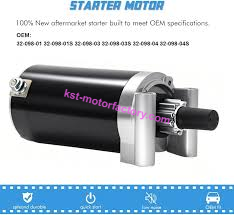
At a workshop bench, an alternator removed from a construction vehicle may be examined by looking at the housing, pulley area, electrical connections, and mounting points before discussing its internal operation. KST manufactures generators and starter motors for heavy-duty vehicles and construction machinery, including applications associated with Komatsu, Caterpillar, and Isuzu. The alternator's electrical role is distinct from that of a starter motor, which uses electrical energy to initiate engine rotation. Once the engine is running, generation becomes part of the vehicle's electrical supply arrangement.
Electrical demand is not limited to battery charging. A vehicle may have lighting, control circuits, instruments, and other electrical equipment operating while the engine is running. The alternator supplies electrical energy to the system as these loads are used, while the battery serves as an electrical storage component within the wider arrangement. The relationship between generated output, connected equipment, and stored energy changes with operating conditions. Understanding this interaction explains why alternator function is considered alongside the vehicle's electrical requirements rather than as an isolated component task.
The physical structure also supports the electrical process. The housing contains the internal assembly and provides a mounting arrangement for the unit, while the shaft and drive interface receive mechanical movement. Electrical connections provide the route for output to reach the vehicle's wiring. These parts have separate roles, but they form one working assembly. When viewing a cutaway illustration, I would trace the movement from the drive side through the rotating section, then follow the electrical path toward the connections, because this makes the conversion process easier to visualize.
In a vehicle electrical diagram, the alternator is shown in relation to the battery and connected circuits, and product information at https://www.kst-motorfactory.com can be considered alongside the application details when identifying the relevant generator category. An OEM Alternator Manufacturer deals with the unit as part of a vehicle-specific electrical arrangement, where mounting, connections, and operating requirements need to correspond with the intended application. The next time an alternator is visible with its cover removed, the copper winding and the space around the rotating assembly are the details worth noticing, since they reveal where electrical generation takes place.