English
 Arabic
 French
 Spanish
 Portuguese
 Deutsch
 Turkish
 Dutch
 Italiano
 Russian
 Romaian
 Portuguese (Brazil)
 Greek
Last Mile Delivery Market Trends Signal 8.75% CAGR Through 2031
Other |
2026-11-03 05:19:01
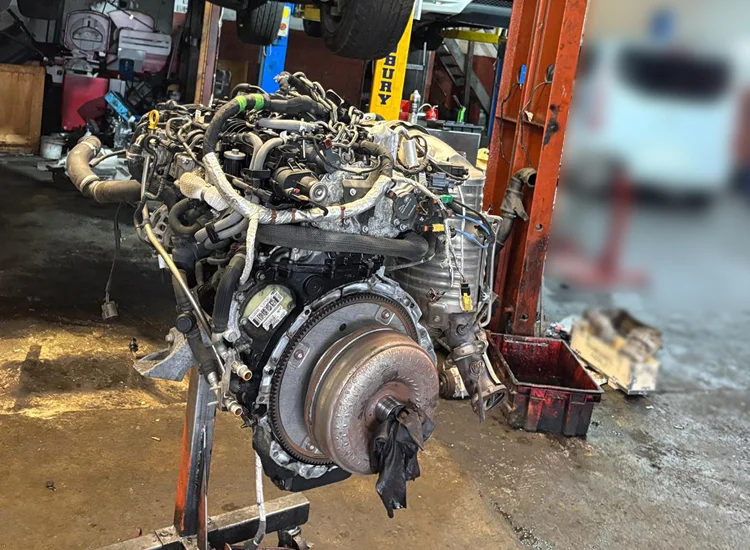
Buying a replacement engine can be a major decision for any Range Rover owner. A brand-new unit may come with a high price, making a reconditioned option worth exploring. A reconditioned Range Rover 2.0 Engine can offer a practical balance between cost and performance when the work has been completed to a good standard. However, the value of this choice depends on the engine's condition, the quality of the reconditioning process, and the supplier's reliability. Understanding these factors can help you decide whether this option suits your vehicle and budget.
One of the main reasons drivers consider reconditioned engines is the potential savings compared with buying a brand-new replacement. The original engine has been inspected, cleaned, and repaired, with worn or damaged components addressed during the process. This can make a Range Rover 2.0 Engine a more affordable option without automatically sacrificing everyday usability. The actual value depends on the parts used and the standard of the work. Comparing prices alongside the condition and specification will give you a clearer idea of whether the asking price is reasonable.
A proper reconditioning process involves more than cleaning an engine and replacing a few visible parts. A specialist should inspect important internal components, identify wear, and repair or replace parts that no longer meet suitable standards. When a Range Rover 2.0 Engine receives careful attention, the work can help restore its operating condition and improve its suitability as a replacement. The exact work may vary depending on the engine's previous condition, so ask the supplier what has been inspected, repaired, and replaced before making a decision.
A reconditioned engine can support regular driving when it has been prepared correctly and installed professionally. However, reliability depends on the quality of the components, the repair work, and the maintenance carried out after fitting. Before choosing a Range Rover 2.0 Engine, ask whether it has undergone testing and whether the supplier can explain its condition. A clear record of the work provides greater confidence than a general claim that the engine is in good condition. Regular servicing and suitable driving habits will also help maintain performance.
The previous condition of an engine can tell you a great deal about its suitability. Ask the supplier whether they know its mileage, original vehicle details, and reason for removal. Although reconditioning addresses identified problems, a documented history still helps you understand what the unit has experienced. When comparing a Range Rover 2.0 Engine with other available options, consider whether the seller can provide accurate information rather than relying on verbal assurances. Clear documentation makes it easier to assess the purchase and identify any details that need further explanation.
The components used during reconditioning can influence how well an engine performs after installation. Poor-quality replacement parts may create problems later, even when the initial repair appears satisfactory. A reputable specialist should be able to explain which components were replaced and whether suitable parts were used. Before purchasing a Range Rover 2.0 Engine, ask about the quality of its internal components, seals, gaskets, and other repaired areas. This information helps you compare different suppliers and understand what you are paying for.
A warranty can provide additional reassurance when purchasing a reconditioned engine. It shows that the supplier offers some level of support if a covered problem develops within the agreed period. However, warranty terms can differ, so read them carefully before committing. Check the coverage period, exclusions, fitting requirements, and any conditions related to servicing. A supplier offering a Range Rover 2.0 Engine should explain these details clearly. Make sure you understand the process for reporting a fault and what evidence may be required if you need to make a claim.
The supplier plays an important role in the quality of your purchase. Look for a business with experience in reconditioned engines and a clear approach to inspection, repair, and testing. Customer feedback can also help you understand how the company handles communication, delivery, and after-sales support. When searching for a Range Rover 2.0 Engine, avoid choosing solely on the lowest advertised price. A trustworthy supplier should answer technical questions, provide accurate specifications, and explain the condition of the engine without making unrealistic promises.
Compatibility is essential when buying any replacement engine. Different Range Rover models and production years may use different engine specifications, codes, and associated components. Even an engine with the correct capacity may not be suitable for every vehicle. Before ordering a Land Rover 2.0 Engine, confirm its engine code, model compatibility, and relevant technical details with a qualified specialist. You should also check whether additional components, modifications, or electronic adjustments may be required during installation. Confirming these details beforehand can prevent unnecessary costs and fitting delays.
Professional installation is another important part of the overall decision. An incorrectly fitted engine can develop problems that have little to do with the quality of the reconditioning itself. A qualified mechanic should check the supporting components, connections, cooling system, and other relevant areas before completing the job. Once the Range Rover 2.0 Engine has been installed, follow the supplier's recommendations for initial running, servicing, and maintenance. Keeping invoices and installation records can also help with future maintenance and any warranty-related requirements. A reconditioned engine can be worth considering when it comes from a reliable specialist and meets your vehicle's exact requirements. Its value depends on the inspection process, replacement parts, testing, warranty, and installation quality. Taking time to check these details can help you make a more confident decision and find a replacement that suits your Range Rover and budget.