English
 Arabic
 French
 Spanish
 Portuguese
 Deutsch
 Turkish
 Dutch
 Italiano
 Russian
 Romaian
 Portuguese (Brazil)
 Greek
Backlink Marketplace for Smarter Link-Building Strategies
Other |
2026-10-15 03:01:33
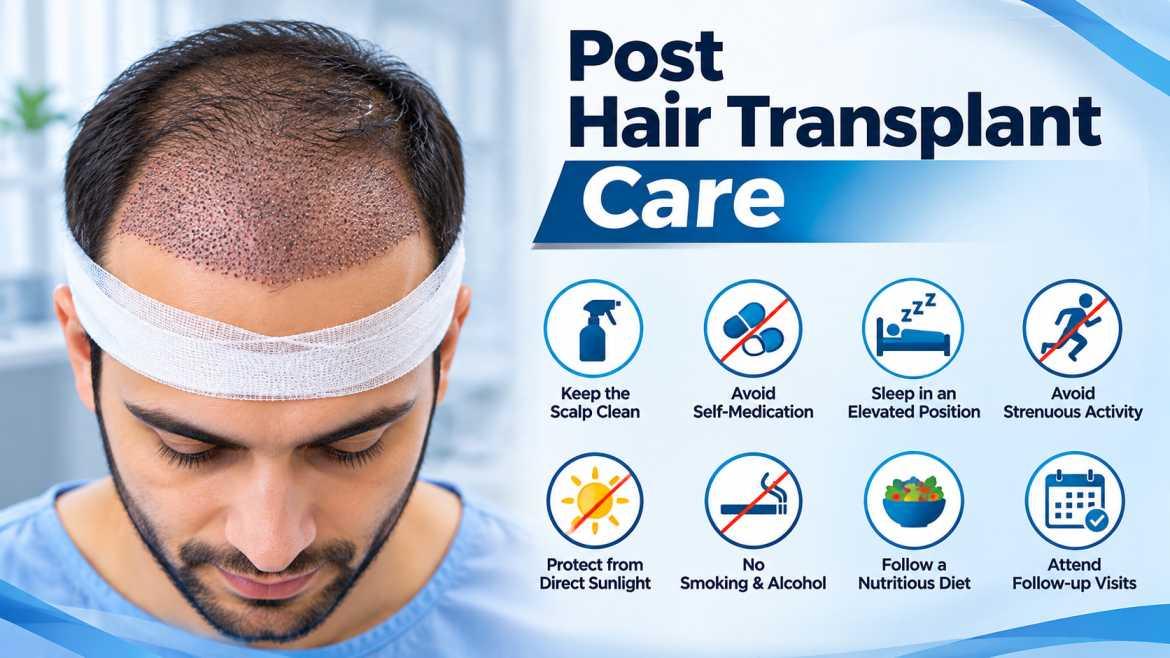
A hair transplant is an effective solution for people experiencing hair loss, thinning hair, or pattern baldness. It helps restore hair density and improve overall appearance. However, achieving successful results requires more than choosing an experienced surgeon and undergoing the procedure. Proper post hair transplant care plays a crucial role in protecting newly implanted hair grafts, supporting scalp healing, and promoting healthy hair growth.
After hair transplant surgery, the scalp becomes sensitive, and the newly implanted grafts need time to settle and recover. Following the right aftercare routine can help minimize complications and create favorable conditions for hair restoration. Whether you have undergone Follicular Unit Extraction (FUE) or Follicular Unit Transplantation (FUT), understanding how to care for your scalp is essential. In this guide, we will discuss the best ways to protect your new hair grafts and encourage healthy growth after surgery.
Post hair transplant care includes all the precautions, treatments, and lifestyle habits that patients should follow after hair restoration surgery. Newly implanted grafts are delicate during the initial healing period. Excessive touching, scratching, improper washing, and physical pressure can irritate the scalp and potentially interfere with recovery.
Following your surgeon's instructions helps protect the grafts, manage swelling, reduce the risk of infection, and support the natural healing process. Proper aftercare also helps patients understand the different stages of hair growth and maintain realistic expectations about their results.
Protecting transplanted hair grafts is one of the most important aspects of post hair transplant care. During the initial days after surgery, avoid touching, rubbing, scratching, or pressing the treated area. Newly implanted follicles need time to settle into their recipient sites.
Be careful when changing clothes, getting into bed, or performing everyday activities. Avoid wearing tight headwear unless your surgeon approves it. Even minor trauma to the scalp can cause unnecessary irritation. Following your clinic's instructions will help protect the grafts during this important recovery stage.
Every patient has different recovery requirements depending on the surgical technique, number of grafts, scalp condition, and individual health. Therefore, following your surgeon's personalized instructions is essential.
Your doctor may provide guidance regarding medications, hair washing, sleeping positions, exercise restrictions, and scalp protection. Avoid experimenting with home remedies or using products that have not been approved by your clinic. If you notice unusual symptoms or have questions about your recovery, contact your surgeon for professional advice.
Hair washing is an essential part of post hair transplant care because it helps maintain scalp cleanliness during recovery. However, washing must be performed carefully to avoid disturbing the newly implanted grafts.
Start washing your scalp only when your surgeon recommends it. Use the prescribed shampoo and follow the washing technique provided by your clinic. Avoid hot water, strong water pressure, aggressive rubbing, or scratching. Gently cleanse the scalp and allow scabs to fall off naturally. Never remove scabs forcefully, as this may irritate healing tissue.
Your sleeping position can affect comfort during the initial recovery period. Most surgeons recommend sleeping on your back with your head slightly elevated for the first few nights. Extra pillows or a suitable neck pillow can help maintain this position.
Avoid sleeping face down or putting direct pressure on the transplanted area. This precaution may help reduce swelling and prevent accidental contact with the grafts. Follow your surgeon's recommendations regarding when you can return to your regular sleeping position.
Physical activity can increase sweating, blood pressure, and body temperature. During the early recovery period, these changes may cause discomfort or irritation around the treated area.
Avoid running, weightlifting, intense gym workouts, swimming, and strenuous physical activities until your surgeon gives you permission. Light walking may be allowed depending on your recovery. Gradually return to your normal exercise routine according to your doctor's instructions. Taking sufficient rest during the initial healing period can support a smoother recovery.
Nutrition plays an important role in maintaining healthy hair and supporting tissue repair. A balanced diet provides essential nutrients that contribute to the body's natural healing processes.
Include protein-rich foods such as eggs, fish, chicken, beans, lentils, and dairy products. Add green vegetables, fruits, nuts, and whole grains to your meals. Nutrients such as iron, zinc, and vitamins are important for overall hair health. Drink enough water throughout the day to maintain proper hydration.
Although a healthy diet cannot guarantee faster hair growth, maintaining good nutrition can support overall health and recovery after surgery.
Smoking and alcohol consumption can negatively affect the recovery process. Smoking may reduce blood circulation and oxygen delivery to healing tissues, while alcohol can contribute to dehydration and interact with certain medications.
Your surgeon may recommend avoiding both substances for a specific period before and after surgery. Follow these recommendations carefully. Making healthier lifestyle choices can support recovery and improve your overall well-being.
The scalp may remain sensitive for several weeks after a hair transplant. Excessive exposure to direct sunlight can cause irritation and discomfort during the healing process.
Avoid spending extended periods outdoors under direct sunlight until your surgeon confirms that it is safe. If you need to go outside, follow your clinic's recommendations for appropriate scalp protection. Do not apply sunscreen directly to the treated area unless your surgeon approves it.
Long-term sun protection is also a useful habit for maintaining healthy scalp skin.
Your surgeon may prescribe antibiotics, pain relievers, anti-inflammatory medications, or other treatments based on your medical needs. Take all prescribed medications according to the recommended schedule. Never change dosages or start additional treatments without professional advice.
Follow-up appointments are equally important because they allow your surgeon to monitor scalp healing and evaluate hair growth. Your doctor can identify potential complications and recommend suitable treatments when necessary. Regular monitoring is an essential part of effective post hair transplant care.
One of the most important things to remember after hair transplant surgery is that visible results do not appear immediately. Transplanted hairs commonly shed during the first few weeks. This temporary shedding, known as shock loss, is generally a normal part of the recovery process.
New hair growth often begins around three to four months after surgery. More noticeable improvements usually develop between six and nine months, while mature results may take twelve to eighteen months. The exact timeline varies from person to person.
Avoid comparing your progress with other patients because hair growth depends on individual factors, graft characteristics, and scalp conditions. Consistent aftercare and regular medical follow-ups are important throughout the process.
Even small mistakes can create unnecessary problems during recovery. Avoid scratching the scalp, picking scabs, washing aggressively, exercising too soon, and exposing the treated area to excessive sunlight. Do not use unapproved hair oils, styling products, dyes, or chemical treatments during the initial healing period.
Also, avoid ignoring unusual symptoms such as increasing redness, severe pain, pus, fever, or worsening swelling. Contact your surgeon promptly if you experience these symptoms.
Proper post hair transplant care is essential for protecting newly implanted hair grafts, supporting scalp healing, and promoting healthy hair growth. Following your surgeon's instructions, washing your hair gently, maintaining a balanced diet, avoiding strenuous activities, and protecting your scalp from direct sunlight can help create favorable conditions for recovery.
Remember that hair restoration is a gradual process, and patience is necessary to achieve mature results. Every patient's recovery journey is different, so personalized medical guidance should always be your priority. With consistent aftercare, healthy lifestyle habits, and regular follow-up appointments, you can support your recovery and enjoy the long-term benefits of your hair transplant.