English
 Arabic
 French
 Spanish
 Portuguese
 Deutsch
 Turkish
 Dutch
 Italiano
 Russian
 Romaian
 Portuguese (Brazil)
 Greek
Atrial Fibrillation Market to Reach US$ 27.80 Billion With Catheter Demand
Other |
2026-11-09 11:46:11
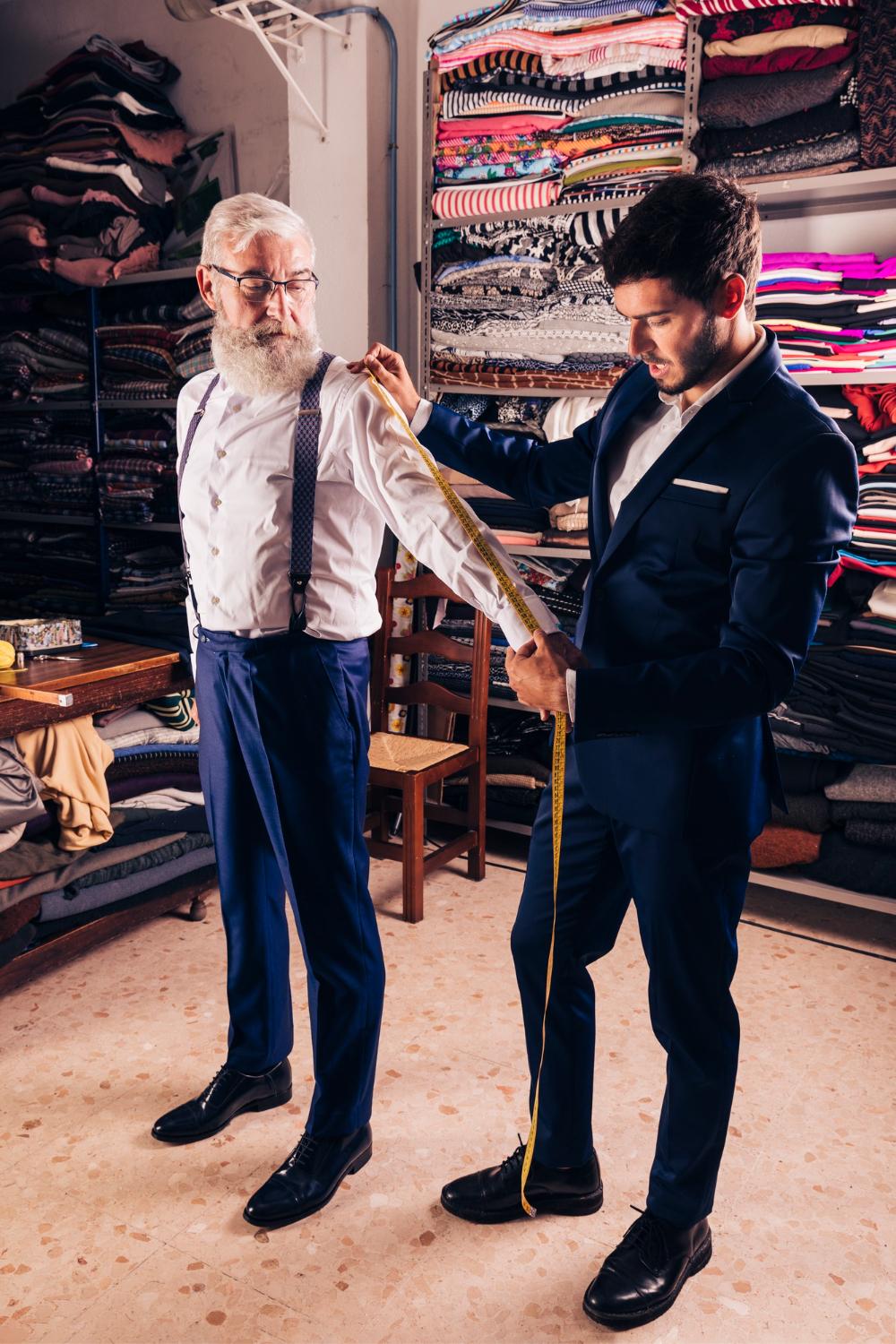
Bangkok has become a recognized destination for personalized clothing, attracting international visitors interested in traditional tailoring and contemporary fashion. The search for a bespoke tailor Bangkok often comes from individuals who prefer clothing designed around their measurements, personal preferences, and specific wardrobe requirements.
Bespoke tailoring involves more than adjusting the size of an existing garment. It generally includes individual consultations, pattern development, fabric selection, garment construction, and multiple fitting stages. Each step contributes to creating clothing that reflects the wearer's preferred style and proportions.
For customers from the United States, understanding the bespoke tailoring process can help establish realistic expectations about craftsmanship, fabric quality, pricing, and delivery schedules.
Bespoke tailoring refers to the process of creating garments according to an individual's measurements and design preferences. Unlike ready-made clothing, bespoke garments are developed with greater attention to individual body proportions and specific styling requirements.
Bangkok has a diverse tailoring industry that serves local residents, business professionals, and international travelers. Its services include custom suits, formal jackets, trousers, shirts, and other personalized garments.
A bespoke tailoring process generally begins with a detailed consultation. During this stage, the customer discusses the intended use of the garment, preferred design, fabric requirements, and fitting expectations.
The tailor then uses the collected information to develop a garment according to the agreed specifications.
The main difference between bespoke tailoring and standard clothing production is the degree of individual customization.
Ready-made clothing follows predetermined sizes, while made-to-measure garments generally begin with an existing pattern that is adjusted to an individual's measurements.
Bespoke tailoring typically involves a more individualized pattern-making and construction process.
Several characteristics help explain this distinction:
The exact process may vary between tailoring professionals, so customers should clarify which services are included.
A bespoke tailor in Bangkok may offer different types of personalized clothing depending on individual requirements.
1. Bespoke Suits
Custom suits are among the most recognized forms of bespoke clothing. They generally include personalized jacket and trouser designs, with options for different cuts, lapels, shoulders, buttons, and pockets.
2. Formal Jackets
Formal jackets can be designed with different structures and proportions. Their appearance depends on fabric selection, shoulder construction, lapel style, and overall garment balance.
3. Custom Shirts
Bespoke shirts allow adjustments to collar shapes, cuff designs, sleeve lengths, and body measurements. Fabric and button choices also influence the finished appearance.
4. Tailored Trousers
Custom trousers can be designed according to preferred waist positioning, leg shape, pleats, and length. Accurate measurements help improve comfort and proportions.
5. Waistcoats
Waistcoats are often included in three-piece suit combinations. Their design can vary according to button arrangements, neckline shapes, fabric choices, and overall fit.
Fabric selection is an important part of bespoke tailoring because materials influence the garment's appearance, structure, comfort, and durability.
Common fabric options include:
For customers from the United States, climate is an important consideration. A suit intended for regular use in a cooler region may require different fabric characteristics from clothing designed for warmer conditions.
Accurate measurements form the foundation of bespoke garment construction. Tailors generally record shoulder width, chest circumference, waist measurements, sleeve length, jacket length, and trouser dimensions.
However, measurements alone do not determine the final fit. Posture, body proportions, and movement also influence how a garment sits.
Fittings allow the tailor to assess these details and identify areas requiring adjustments.
For example, a jacket may need refinements around the shoulders, sleeves, chest, or waist. Trousers may require adjustments to their length, leg shape, or waist positioning.
Multiple fittings can help improve garment balance and ensure that the finished clothing meets the agreed specifications.
The process of working with a bespoke tailor in Bangkok generally involves several stages.
Initial Consultation: The customer discusses clothing requirements, preferred styles, and intended occasions.
Fabric Selection: Suitable materials are selected according to comfort, appearance, and garment purpose.
Measurements and Pattern Development: Individual measurements are recorded, and a personalized pattern is prepared.
Garment Construction: The fabric is cut and assembled according to the agreed design and construction methods.
Fittings: The garment is evaluated for proportions, comfort, and overall appearance.
Final Adjustments: Necessary refinements are completed before the garment undergoes a final quality inspection.
The number of fittings and the completion time depend on garment complexity and the tailoring process.
The cost of bespoke clothing in Bangkok varies according to fabric quality, construction techniques, design complexity, and the number of fittings required.
Premium fabrics and detailed construction methods may increase the overall cost. Additional garments, specialized features, and alterations can also influence the final quotation.
Customers should understand what the quoted price includes before beginning the process. Important details include fabric specifications, pattern development, fittings, alterations, and delivery arrangements.
For American travelers, currency conversion and travel-related expenses may also influence the overall budget.
International visitors can benefit from planning their tailoring requirements before arriving in Bangkok.
Some practical considerations include:
Advance planning can make the process more organized, particularly for visitors with limited time in the city.
Finding a bespoke tailor Bangkok involves understanding individual customization, fabric selection, pattern development, garment construction, and fitting procedures. These elements distinguish bespoke tailoring from standard ready-made clothing and contribute to the overall quality of personalized garments.
For customers from the United States, evaluating craftsmanship, measurements, materials, pricing, and delivery schedules can support informed decisions.
Ultimately, bespoke tailoring is a detailed process that combines individual design preferences with technical garment-making skills. Accurate measurements, suitable fabrics, careful construction, and appropriate fittings remain essential to producing well-balanced custom clothing.