English
 Arabic
 French
 Spanish
 Portuguese
 Deutsch
 Turkish
 Dutch
 Italiano
 Russian
 Romaian
 Portuguese (Brazil)
 Greek
BIGDATE Snacks Wholesale: Stocking Snacks Customers Want
Food |
2026-10-13 22:02:35
The growing consumer preference for natural beverages, increasing awareness of wellness-focused lifestyles, and rising demand for caffeine-free herbal tea are driving the growth of the Peppermint Tea Market. Peppermint tea is an herbal infusion prepared from peppermint leaves and is widely consumed for its refreshing aroma, cooling taste, and naturally caffeine-free properties. Consumers are increasingly incorporating herbal teas into their daily routines as alternatives to conventional caffeinated beverages. Moreover, growing interest in natural wellness products, digestive health, relaxation, and convenient tea formats is encouraging manufacturers to expand their peppermint tea portfolios. Product innovation, organic sourcing, and the availability of specialty herbal teas through online retail channels are further supporting market development.
Market Overview
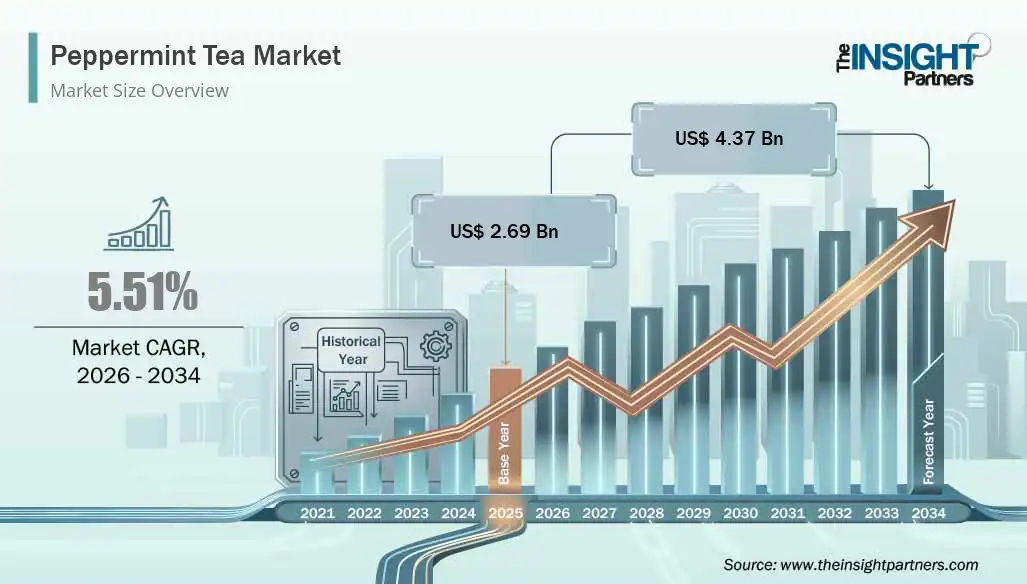
According to The Insight Partners, the Peppermint Tea Market was valued at US$ 2.69 billion in 2025 and is projected to reach US$ 4.37 billion by 2034. The market is expected to register a CAGR of 5.51% from 2026 to 2034. Increasing consumer interest in herbal beverages, growing demand for natural wellness products, and expanding retail availability are supporting market growth.
Peppermint tea is available in different formats, including tea bags and loose-leaf products. Consumers use it as a standalone herbal infusion and as part of broader wellness-oriented beverage routines. Manufacturers are focusing on organic product varieties, convenient packaging, and premium blends to meet changing consumer preferences. The growing availability of peppermint tea through supermarkets, convenience stores, and e-commerce platforms is also improving product accessibility.
Peppermint Tea Market Growth Drivers
Growing Wellness Awareness Supports Peppermint Tea Consumption
Increasing consumer awareness of natural wellness products is supporting demand for peppermint tea. Consumers are exploring herbal beverages as part of their everyday routines, particularly products that offer refreshing flavors without caffeine. Peppermint tea is commonly associated with digestive comfort and relaxation, making it attractive to consumers seeking alternatives to conventional beverages. This growing interest in herbal infusions is encouraging manufacturers to expand their product offerings.
Demand for Natural and Caffeine-Free Beverages
The increasing preference for caffeine-free beverages is creating opportunities for peppermint tea producers. Consumers who want to reduce their caffeine intake are exploring herbal tea options for different consumption occasions, including evenings and relaxation routines. Peppermint tea's naturally caffeine-free characteristics and distinctive flavor are helping it gain visibility in the wider herbal tea category.
Growing Popularity of Herbal Tea Products
The wider adoption of herbal teas is contributing to the development of the peppermint tea market. Consumers are exploring different botanical ingredients and tea varieties as part of their beverage choices. Retailers and tea brands are responding by offering a broader selection of herbal infusions, including peppermint-based blends. These developments are improving consumer awareness and supporting product availability across markets.
Key Trends in the Peppermint Tea Market
Increasing Demand for Organic Peppermint Tea
The growing preference for organic food and beverages is influencing product development in the peppermint tea industry. Consumers are paying greater attention to ingredient sourcing, cultivation methods, and product quality. Organic peppermint tea offers brands an opportunity to appeal to customers interested in organic and naturally positioned products. Manufacturers are increasingly highlighting product origin and sourcing practices to differentiate their offerings.
Peppermint Tea as Part of Natural Wellness Routines
Herbal tea consumption is increasingly associated with self-care and everyday wellness routines. Peppermint tea is attracting consumers who value its refreshing flavor and caffeine-free profile. Its use in relaxation routines and after-meal consumption is contributing to its popularity. This trend is encouraging brands to position peppermint tea as an accessible option within the broader natural beverage market.
Convenient Packaging and Online Retail Expansion
Convenience is an important factor influencing tea purchasing decisions. Tea bags offer easy preparation, while loose-leaf products appeal to consumers who prefer traditional brewing methods. Online retail platforms are also making specialty and premium herbal teas easier to discover and purchase. These channels enable brands to reach consumers beyond traditional supermarket distribution.
Opportunities in the Peppermint Tea Market
Expansion of Premium and Organic Herbal Tea Products
The rising demand for premium and organic beverages presents opportunities for peppermint tea manufacturers. Companies can introduce organic peppermint tea, premium loose-leaf varieties, and carefully developed herbal blends to attract consumers seeking differentiated products. Transparent sourcing and quality-focused positioning can further strengthen brand appeal.
Product Innovation and Specialty Herbal Blends
Product innovation can help manufacturers expand their customer base and create new consumption occasions. Peppermint can be combined with other botanical ingredients to develop distinctive herbal tea blends. Companies can also explore different flavor profiles and packaging formats to appeal to consumers interested in variety and convenience.
Sustainable Sourcing and Responsible Packaging
Growing environmental awareness is creating opportunities for tea brands to improve sourcing and packaging practices. Responsible cultivation, recyclable packaging, and transparent supply chains can help companies differentiate their products. Businesses that integrate sustainability into their operations may strengthen relationships with environmentally conscious consumers.
Top Players in the Peppermint Tea Market
The key companies profiled in The Insight Partners' report include:
By Product Form
By Category
By Distribution Channel
Tea bags provide convenience and ease of preparation, making them suitable for everyday consumption. Loose-leaf peppermint tea appeals to consumers who prefer traditional brewing methods and greater control over tea preparation. By category, organic and conventional products serve different consumer preferences and purchasing priorities. Hypermarkets and supermarkets provide broad product visibility, convenience stores support quick purchases, and online retail platforms enable access to specialty and premium herbal tea varieties.
Regional Outlook
North America: The North American market is supported by growing interest in herbal beverages, caffeine-free alternatives, and natural wellness products. The report covers the United States, Canada, and Mexico. Increasing availability of specialty teas through supermarkets and online platforms is creating opportunities for peppermint tea brands.
Europe: Europe represents an important market for herbal tea products, supported by established tea-drinking habits and consumer interest in natural beverages. The report covers the United Kingdom, Germany, France, Russia, and Italy, along with the rest of Europe. Demand for organic tea varieties and premium herbal infusions is contributing to regional market development.
Asia-Pacific: The Asia-Pacific market includes China, India, Japan, Australia, and the rest of Asia-Pacific. Established tea consumption patterns and growing interest in herbal and specialty beverages are creating opportunities for peppermint tea manufacturers. Expanding retail distribution and product diversification may further support market development.
South and Central America: The report covers Brazil, Argentina, and the rest of South and Central America. Growing interest in diverse beverage options and the development of modern retail channels may create opportunities for herbal tea brands across the region.
Middle East and Africa: The regional analysis includes South Africa, Saudi Arabia, the UAE, and the rest of the Middle East and Africa. Increasing availability of specialty beverages and the expansion of modern retail channels may support the adoption of peppermint tea products.
Future Outlook
The Peppermint Tea Market is expected to experience steady growth through 2034, supported by rising interest in herbal beverages, demand for caffeine-free alternatives, and growing awareness of natural wellness products. Consumers are likely to continue exploring organic peppermint tea, premium loose-leaf products, and convenient tea bags for everyday consumption.
Manufacturers are expected to focus on product innovation, sustainable sourcing, packaging improvements, and expansion through digital retail channels. The introduction of distinctive herbal blends and premium product varieties may also help brands attract new consumers. As interest in natural and specialty beverages continues to develop, peppermint tea is expected to maintain an important position in the global herbal tea market.
About Us
The Insight Partners, we provide comprehensive analysis and insights into market trends that empower businesses to make informed decisions. Our reports are designed to equip stakeholders with the necessary information to navigate the complexities of various industries, including healthcare, technology, and finance. We are dedicated to delivering high-quality research that enables our clients to achieve their strategic objectives.
Contact Us:
Contact Person: Ankit Mathur
E-mail: ankit.mathur@theinsightpartners.com
Phone: +1-646-491-9876