English
 Arabic
 French
 Spanish
 Portuguese
 Deutsch
 Turkish
 Dutch
 Italiano
 Russian
 Romaian
 Portuguese (Brazil)
 Greek
Beauty and Wellness Products Market Expansion Supported by Rising Demand for Holistic Wellness Solutions
Networking |
2026-11-10 07:54:07
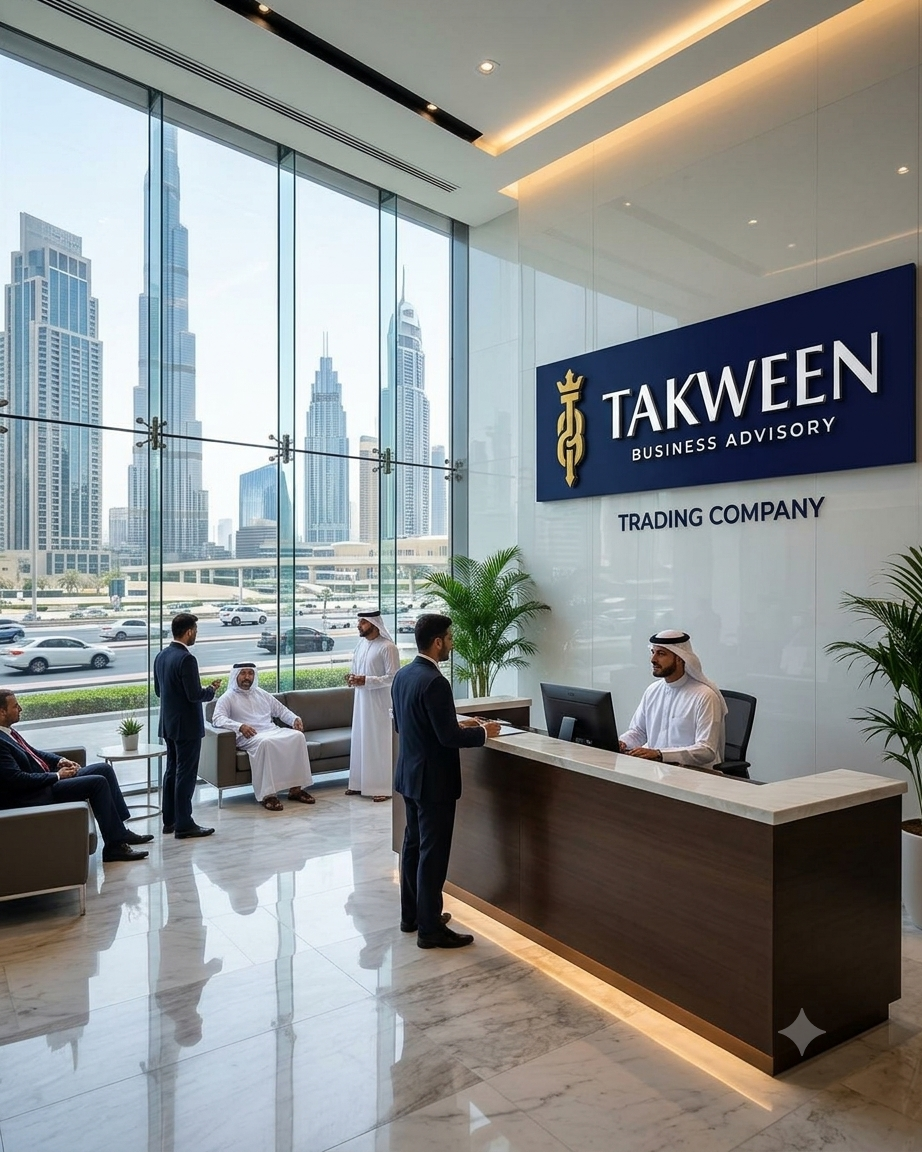
Dubai has become a leading destination for entrepreneurs and international investors interested in starting trading businesses. Its strategic location, modern logistics infrastructure, international connectivity, and access to global markets make it an attractive place for import, export, wholesale, and distribution activities. However, before starting operations, entrepreneurs must make an important decision: selecting the right legal business structure. The chosen structure can influence licensing requirements, ownership arrangements, business activities, and future expansion opportunities.
When planning to establish a trading company in dubai, entrepreneurs should carefully evaluate their business goals, target markets, operational requirements, and preferred location. Dubai offers different company formation options, including mainland and free zone structures, each with its own regulations and advantages. Understanding these options can help business owners make informed decisions. With professional guidance from Takween Advisory, entrepreneurs can better understand the company formation process and identify a suitable structure for their trading activities.
The first step in selecting a business structure is identifying exactly what products your company will trade. Dubai offers opportunities across several trading sectors, including electronics, textiles, food products, building materials, cosmetics, machinery, and general merchandise.
Your proposed business activities will influence the type of trade licence and approvals you may require.
Before proceeding, consider:
Having a clear understanding of your business model makes it easier to identify an appropriate company structure.
A mainland company is a suitable option for entrepreneurs who want flexibility when conducting business across the UAE market.
Mainland businesses are licensed by the relevant emirate's licensing authority and can operate according to their approved commercial activities.
Some important advantages include:
Many commercial activities allow 100% foreign ownership, although specific strategic activities may have additional requirements. Entrepreneurs should confirm the applicable ownership rules before establishing their companies.
Free zones are another popular option for international entrepreneurs establishing trading businesses in Dubai.
These designated business areas offer specialised infrastructure and company formation arrangements. Different free zones may focus on particular industries, such as logistics, commodities, technology, or general trading.
Potential advantages include:
However, free zone companies must follow applicable rules when conducting business in the UAE mainland. Entrepreneurs should understand the relevant distribution, licensing, and customs requirements before selecting a free zone.
Choosing between mainland and free zone company formation requires evaluating your intended business operations.
Consider the following differences:
| Business consideration | Mainland | Free Zone |
|---|---|---|
| Main operating market | UAE market and international markets | Free zone and international markets, subject to applicable rules |
| Licensing authority | Relevant emirate authority | Selected free zone authority |
| Ownership | 100% foreign ownership for many activities | Foreign ownership arrangements |
| Business facilities | Offices and approved commercial premises | Facilities offered by the selected free zone |
| Market access | Broad UAE market access | Mainland activities subject to applicable requirements |
The right choice depends on your business activities, customers, supply chain, and expansion plans rather than simply choosing the most popular option.
A trading company must obtain a licence that accurately reflects its intended commercial activities.
Depending on the business model, entrepreneurs may consider general trading or specific trading activities. A general trading licence can cover multiple eligible product categories, subject to the licensing authority's conditions.
Before applying,avoid operational complications later.
Trading businesses that deal with international suppliers and customers must understand the UAE's import and export procedures.
Depending on the products and business location, companies may need customs registration, product-specific approvals, conformity documentation, and other regulatory clearances.
For example, food, cosmetics, healthcare products, and certain electronic goods may have additional registration or compliance requirements.
Entrepreneurs should investigate these obligations before finalising their business activities to ensure their selected structure supports their intended trading operations.
A suitable business structure should also support your company's financial and regulatory requirements.
Trading companies need to understand corporate bank account opening procedures, corporate tax obligations, VAT registration requirements, bookkeeping, and financial recordkeeping.
The specific obligations depend on the company's activities, taxable transactions, and applicable UAE regulations.
Business owners should also consider licence renewal, shareholder updates, and other ongoing administrative responsibilities.
Choosing a business structure involves several decisions that can affect your company's future operations. Foreign investors and first-time entrepreneurs may find it challenging to understand licensing conditions, jurisdictional differences, documentation, and regulatory procedures.
Takween Advisory helps entrepreneurs understand business setup requirements and navigate company formation procedures in Dubai. From evaluating mainland and free zone options to understanding trading licence requirements, professional guidance can make the decision-making process more organised.
Working with an experienced business consultancy can help you select a structure that aligns with your commercial objectives and long-term expansion plans.
1. Which business structure is best for a trading company in Dubai?
The best structure depends on your business activities, target customers, and operational plans. Mainland companies offer broad UAE market access, while free zones can be suitable for international trading and specialised business operations.
2. Can foreigners own 100% of a trading company in Dubai?
Yes. Many mainland and free zone business activities allow 100% foreign ownership, subject to the applicable licensing and regulatory requirements.
3. What is the difference between a mainland and free zone trading company?
A mainland company can generally conduct approved business activities across the UAE market. A free zone company operates under its free zone authority's regulations, with additional requirements potentially applying to mainland trading.
4. What licence is required to start a trading company in Dubai?
Entrepreneurs generally need an appropriate commercial trading licence. The specific licence depends on the products and activities the company intends to undertake.
5. Is a general trading licence suitable for import and export businesses?
A general trading licence may be suitable for businesses dealing in multiple eligible product categories. However, product-specific approvals and regulatory requirements may still apply.
6. Can a free zone trading company sell products in mainland Dubai?
Yes, subject to applicable legal, customs, distribution, and licensing requirements. Businesses should confirm the permitted arrangements for their specific activities.
7. What documents are required to establish a trading company in Dubai?
Common documents include passport copies of shareholders, application forms, proposed trade names, business activity details, and other supporting documents required by the relevant authority.
8. Can Takween Advisory help choose a business structure in Dubai?
Yes. Takween Advisory provides business setup guidance to help entrepreneurs understand company formation options, licensing requirements, and administrative procedures in the UAE.
Choosing the right business structure is one of the most important steps when establishing a trading business in Dubai. Entrepreneurs should carefully evaluate their commercial activities, target markets, ownership preferences, licensing requirements, and long-term expansion plans before making a decision.
Whether you choose a mainland or free zone company, understanding the relevant regulations can help establish a strong foundation for your business. With professional guidance from Takween Advisory, entrepreneurs can navigate the company formation process more confidently and prepare their trading businesses for sustainable growth in the UAE.