English
 Arabic
 French
 Spanish
 Portuguese
 Deutsch
 Turkish
 Dutch
 Italiano
 Russian
 Romaian
 Portuguese (Brazil)
 Greek
Car Service From O'Hare: A Straightforward Guide to Booking
Other |
2026-10-14 13:57:28
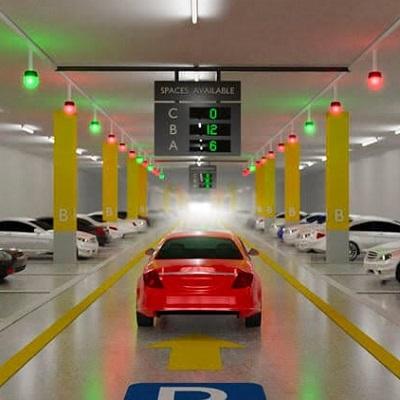
Parking has become a major challenge in busy urban areas, especially as cities continue to grow and vehicle ownership increases. In Riyadh, shopping malls, office buildings, residential communities, and commercial districts often experience parking congestion during peak hours. Finding an available space, managing vehicle movement, and maintaining security can be difficult when parking facilities rely on outdated methods. This is why businesses are increasingly exploring Smart Parking Solutions Riyadh to improve parking operations and deliver a better experience for drivers.
Traditional parking systems have served businesses for decades, but modern technology is changing how parking facilities operate. Smart parking solutions use digital tools, sensors, automated systems, and real-time information to make parking more organized and efficient. Both approaches have their advantages, but understanding their differences helps businesses choose the right option for their facilities.
Traditional parking systems generally rely on manual operations and basic infrastructure. Drivers enter a parking facility, search for available spaces, and park their vehicles without receiving real-time guidance. In many facilities, security personnel or parking attendants manage vehicle movement, entrances, exits, and parking-related issues.
These systems are commonly found in older commercial buildings, open parking areas, residential properties, and smaller business facilities.
Traditional parking may involve:
Manual ticket collection and verification
Security personnel directing vehicles
Drivers searching independently for parking spaces
Limited monitoring of parking occupancy
Manual payment processes
Basic entry and exit management
While these methods can work in smaller parking areas, they often become inefficient when vehicle numbers increase. Drivers may spend unnecessary time searching for spaces, while staff members struggle to manage traffic during busy periods.
Traditional parking also provides limited information about facility performance. Parking operators may not know which areas experience the highest demand, how long vehicles remain parked, or when parking spaces become available.
Smart parking systems use technology to simplify parking operations and improve space utilization. Instead of relying entirely on manual management, these systems use connected devices, software, automation, and digital monitoring to provide better visibility into parking activity.
Depending on the facility's requirements, smart parking solutions may include:
Parking occupancy sensors
Digital parking guidance displays
Automated entry and exit barriers
License plate recognition technology
Digital payment systems
Real-time parking monitoring
Centralized management software
Automated reporting and analytics
These technologies help drivers identify available parking spaces more quickly. They also allow parking operators to monitor occupancy, manage vehicle movement, and make informed operational decisions.
For example, a shopping mall can use parking sensors and digital displays to guide visitors toward available spaces. An office building can use automated access systems to manage employee parking. A residential community can monitor authorized vehicles and improve access control.
Smart parking is not simply about installing advanced equipment. It creates a more connected parking environment where information can help improve efficiency, convenience, and security.
The main difference between smart and traditional parking is the way parking operations are managed. Traditional systems depend heavily on manual processes, while smart systems use technology to automate tasks and provide real-time information.
In traditional parking facilities, drivers usually search for available spaces themselves. This can result in unnecessary driving, congestion, and frustration, especially during busy periods.
Smart parking systems can use sensors and digital displays to identify vacant spaces and guide drivers toward them. This reduces the time spent searching and helps improve the overall flow of vehicles.
Traditional parking facilities may experience congestion near entrances, exits, ramps, and busy parking zones. Without clear guidance, vehicles may circulate repeatedly while drivers search for spaces.
Smart parking technology can improve traffic movement by directing drivers toward available areas and helping operators monitor congestion. Automated entry systems may also reduce delays at access points.
Traditional parking often requires manual tickets, cash payments, or staff-assisted processes. These procedures may create queues during busy periods.
Smart parking systems can support digital payments, automated ticketing, contactless access, and other convenient processes. Depending on the system, drivers may enter or exit with less manual interaction.
Traditional parking relies largely on physical security personnel and basic surveillance. While these measures remain valuable, monitoring a large parking facility can be challenging.
Smart parking systems can combine cameras, access control, vehicle identification, and monitoring tools to improve visibility and help detect unauthorized activity.
Traditional parking management provides limited operational data, particularly when records are maintained manually.
Smart parking systems can collect information about occupancy, peak periods, vehicle movement, and parking utilization. This information helps businesses understand demand and plan improvements more effectively.
Businesses operating in Riyadh can benefit from modern parking technology because customer convenience, operational efficiency, and traffic management are important considerations in busy commercial environments.
Customers visiting shopping malls, offices, restaurants, hotels, and entertainment venues expect convenient access to parking. Spending several minutes searching for an available space can negatively affect their overall experience.
Smart parking systems help simplify the process by guiding drivers toward vacant spaces and reducing uncertainty. A smoother parking experience can create a positive first impression and encourage customers to spend more time at a business location.
Parking facilities often have spaces available in certain sections while other areas remain crowded. Without proper monitoring, drivers may overlook vacant spaces.
Smart parking technology helps identify available parking spaces and distribute vehicles more efficiently. This can improve the utilization of existing parking infrastructure without requiring businesses to expand their parking areas immediately.
Vehicles searching for parking contribute to congestion within parking facilities and surrounding roads.
Smart parking solutions can help reduce unnecessary circulation by directing drivers toward available spaces. Improved entry and exit management can also support smoother traffic movement during peak hours.
Manual parking operations require staff members to handle several repetitive responsibilities, including directing vehicles, checking tickets, monitoring spaces, and managing access.
Automation can simplify these activities and allow parking personnel to focus on customer assistance, security, and other important responsibilities. Businesses can also benefit from more organized parking operations and improved management visibility.
Traditional parking systems still have certain advantages, particularly for facilities with limited vehicle demand and straightforward operational requirements.
Traditional parking can be relatively simple to establish because it may not require advanced equipment or extensive digital infrastructure. Smaller facilities can often operate using basic signage, attendants, and clearly marked parking spaces.
Other advantages include:
Straightforward operational procedures
Less dependence on digital systems
Familiar processes for drivers and staff
Flexibility for small parking facilities
Basic management requirements
For facilities with low traffic volumes, traditional parking may provide a practical solution.
Despite these benefits, traditional parking becomes less effective when demand increases.
Common challenges include:
Drivers spending more time searching for spaces
Congestion at entrances and exits
Limited visibility into parking occupancy
Increased dependence on manual staff
Difficulties managing peak-hour demand
Limited parking performance data
Inconsistent parking experiences
These challenges can affect customer satisfaction, business operations, and parking facility efficiency.
As Riyadh continues to develop commercial and residential infrastructure, parking facilities may need more advanced management methods to accommodate increasing demand.
The choice between smart parking and traditional parking depends on the facility's size, traffic volume, operational needs, budget considerations, and long-term objectives.
Traditional parking may be suitable for small facilities with limited daily traffic, simple layouts, and minimal parking management requirements. In these environments, manual operations may be sufficient to maintain an organized parking experience.
However, smart parking is often a more suitable option for larger facilities, including shopping malls, commercial buildings, hotels, hospitals, residential communities, and busy business districts.
Smart systems offer several advantages for modern parking operations:
Real-time parking information
Faster vehicle entry and exit
Better parking space utilization
Improved security monitoring
Reduced unnecessary vehicle movement
Digital payment convenience
More effective operational planning
Businesses do not necessarily need to replace every traditional parking process immediately. Some facilities can adopt a gradual transition by introducing automated barriers, digital payment options, occupancy sensors, or parking guidance systems.
A phased approach allows parking operators to improve the most challenging aspects of their operations while adapting to new technology over time.
Ultimately, smart parking is generally the stronger long-term solution for facilities experiencing high demand, recurring congestion, or operational challenges. Traditional parking may remain practical for smaller facilities, but technology-driven management provides greater flexibility as parking needs evolve.
1. What is the main difference between smart parking and traditional parking?
Traditional parking relies primarily on manual processes, such as attendants, physical tickets, and drivers searching for spaces independently. Smart parking uses technology, sensors, automation, and digital monitoring to improve parking management and provide real-time information.
2. Is smart parking better than traditional parking?
Smart parking is generally more effective for busy parking facilities because it improves space utilization, reduces congestion, simplifies access, and provides useful operational data. Traditional parking may still be suitable for smaller facilities with lower traffic volumes.
3. How does smart parking help reduce traffic congestion?
Smart parking systems help drivers locate available spaces more quickly. By reducing unnecessary vehicle circulation, they can improve traffic flow within parking facilities and help minimize congestion around entrances, exits, and surrounding roads.
4. Can smart parking improve parking security?
Yes. Smart parking systems can integrate surveillance cameras, access control, vehicle identification, and digital monitoring. These features help parking operators monitor activity, manage authorized access, and improve security oversight.
5. Is smart parking suitable for shopping malls and commercial buildings?
Smart parking is particularly useful for shopping malls, commercial buildings, hotels, and other busy facilities. It helps manage high vehicle volumes, improve customer convenience, and provide better visibility into parking occupancy.
6. Can businesses upgrade from traditional parking to smart parking gradually?
Yes. Businesses can introduce smart parking technology in stages. They may begin with automated barriers, digital payment systems, occupancy sensors, or parking guidance displays before expanding to a more comprehensive parking management system.