English
 Arabic
 French
 Spanish
 Portuguese
 Deutsch
 Turkish
 Dutch
Dutch
 Italiano
 Russian
 Romaian
 Portuguese (Brazil)
 Greek
Greek

Grow Fast with YRUZ Offers, Advertising and Free Promotion Tools
Digital Marketing & SEO Strategies |
2026-09-26 02:48:03
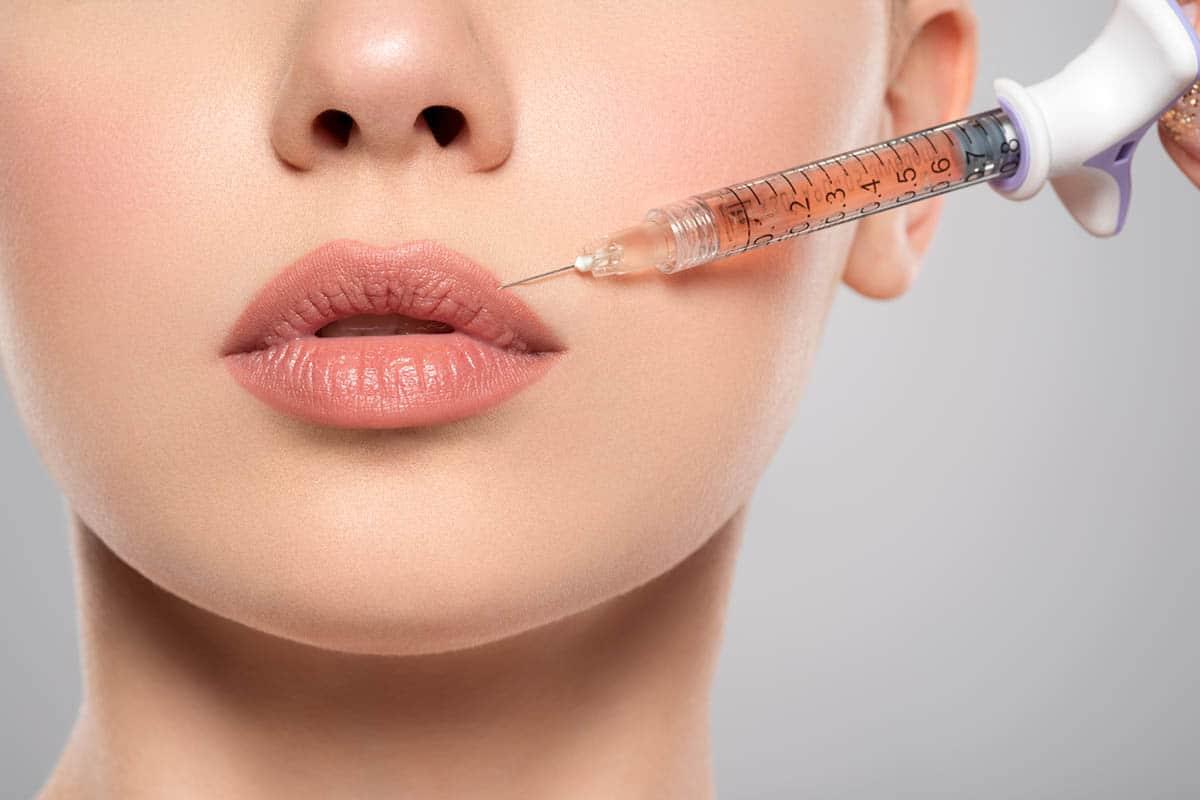
The Fillers Injection in Dubai takes about fifteen minutes and is followed by an appointment book that is often full for a fortnight. Those two facts are in tension, and the tension explains a great deal of what goes wrong. A treatment this quick is being asked to carry decisions that take half an hour to make properly, and the appointment length is set by what the clinic is full of rather than by what the face requires. Nobody is cheating. The schedule simply cannot hold a consultation.
This article is about the parts of a filler appointment that are usually compressed and should not be. What has to be established before anything is injected, why the order of sites matters, why more than one area in a single visit deserves a second conversation, and what a patient can ask in ten minutes that will change what happens next. None of it requires more time in the chair. It requires a small amount of time before the chair.
The reason to care about this at all is that filler is unusually forgiving of technique and unusually unforgiving of volume. A competent injector with conservative numbers will produce a good result with almost any material. An inexperienced injector with the right material and too much of it will produce a face that needs dissolving. Those two failures look identical in a photograph and require completely different amounts of work to fix.
Before a syringe is opened there is a sequence of things that cannot be skipped, and each of them takes less than a minute. Previous filler, from anywhere, including something placed by a colleague three years ago. Current medication and medical history. Skin thickness at the intended site, which varies enormously between one face and the next. Whether the area has been treated by a surgeon, and if so whether the tissue has been altered in ways that change where material belongs.
None of those steps is technically difficult and all of them are frequently skipped, because each is a question rather than a procedure and a question costs nothing to omit. Asking about previous filler takes six words. The consequence of not asking is a clinician working from an incorrect assumption about how much material is already present, which is a mistake that compounds quietly and surfaces weeks later as an asymmetry nobody can explain.
There is one piece of history that changes the plan entirely and it is the one patients assume is irrelevant: having had filler before, anywhere. Patients frequently describe an old treatment as something that wore off, when what usually happened is that it migrated. Material does not disappear, it moves, and it moves into areas that were never treated. A clinician who knows about the previous treatment can account for where it went, and one who does not will treat a face that is not the face in front of them.
Order is not a detail in filler and it is almost never discussed with patients. It determines whether you can see the whole result before deciding on the last site, and whether the sites that depend on each other are treated in a way that can be assessed. The general principle is that independent areas first and dependent areas last, which means the areas that determine the shape of everything else are treated once the rest is already in place and visible.
This is also the reason that a rushed appointment tends to produce a face that looks correct in the areas treated last and slightly wrong in the areas treated first. The final sites were chosen with the finished result in front of them. The first sites were chosen from a plan and then never revisited, because the appointment was over. That asymmetry is invisible to the patient on the day and quite visible two weeks later when the swelling has gone.
The price structure reinforces the problem. A clinician paid per syringe has a reason to want the material used, and a clinician paid for the appointment has a reason to finish within it. Both incentives point the same way and neither is corrupt. A clinician paid a flat fee for a planned treatment with a written volume has no particular reason to exceed the plan, which is the simplest way to align the interest of the appointment with the interest of the face.
The reason the pre-injection part of the appointment is usually compressed is that nobody sells it. Nobody advertises a conversation and nobody charges separately for one, so it is the part of the appointment with no revenue attached to it and therefore the part that is first to be trimmed. A clinic that charges for the consultation separately has at least priced it, and pricing is a small piece of evidence that something is being treated as real.
What that consultation contains is not complicated and does not require equipment. Previous treatments from anywhere, including a decade ago. Current medication, because blood thinners change the approach to bruising. Skin thickness at the intended site. Whether the area has had surgery. And a look at the face in movement, because filler placed on a face at rest will not look right on a face that talks, and every experienced injector in this field has watched that lesson arrive late.
Two of those five items take under a minute together and change the plan more than the other three. Previous filler changes what is already there and therefore what should be added. The face in movement changes where the material belongs at all. Everything else on the list refines the plan rather than resetting it, which is why they are the ones that get skipped when the appointment is running behind.
Best Dermal Fillers Clinic in Dubai is a ranking question and rankings here are not earned in any meaningful sense. What is checkable in a single conversation is whether the clinician asks about previous filler before discussing the face, whether they examine the face at rest and in movement, and whether they palpate the bone rather than the skin. Three questions, ten seconds each, and the answers separate a considered injector from a dispenser with more reliability than any review a patient could read.
The second check is whether the clinician is willing to say the plan might need two visits. Clinics that only ever describe single-session complete treatments are describing their preferred case rather than the typical one, and a patient who has heard that nothing is ever staged is unprepared for the appointment that becomes a review. Clinics that mention staging routinely have built it into the schedule, which is the practical version of having a considered plan.
A third check, and the least comfortable one, is whether the clinician will discuss what they would decline. Any injector with a reasonable volume of work has a list, and the list is short and specific: an active infection, a deficit that needs surgery, a patient who wants to leave in an hour. A clinician who names those has a standard. A clinician who declines nothing is either new to the treatment or has not decided what they are willing to be responsible for.
None of these checks require any medical knowledge to perform, and that is the point of them. A patient does not need to know what a tear trough is to notice that it was not mentioned, does not need to know a brand to notice that the material was not named, and does not need to know an anatomy to notice that the face was only examined from the front. What was skipped is observable by anybody who decides to look, which is a different thing from knowing what to look for.
A first visit should include a written plan naming the sites and the volume, the treatment itself, and a review inside a fortnight. Anything beyond that is good practice and much of it is not offered. The review is the item that matters most and the one most often presented as an optional extra, and the reason it matters is that the result is not knowable on the day because swelling is still resolving.
A review at two weeks should be an examination, and it should be possible to attend without a top-up being performed on the day. A review billed as a treatment carries an incentive to treat, and patients who attend as examinations are told what is actually needed rather than what is available. That distinction sounds procedural and it changes what gets said in the room.
The record should leave with the patient. Material name, sites, volumes, date. Not a summary, not a receipt with a product code on it, but the four pieces of information another clinician would need in order to calculate a correction correctly. A clinic that provides those on request is a clinic that expects to be compared favourably with its own work, which is the cheapest quality control available.
Not every price difference in this market is a quality signal, and it is worth saying so, because the suspicion runs the other way. A clinic that buys in volume, rents a room cheaply, charges a consultation fee separately and reuses a well-run template can produce results indistinguishable from a clinic charging four times as much. What a low price reliably predicts is less time, and less time costs quality at the margin rather than in the middle, so a mid-priced result is usually good and a lowest-priced result is usually adequate for a lip and unreliable for a face.
The other legitimate reason two clinics differ is geography and overhead. A clinic in a serviced building with a receptionist and a proper sterilisation room has a different cost base from a clinic working from a shared treatment space, and neither is cheating. The patient who wants to know which they are paying for should ask what is included, how long the appointment is, and whether there is a review, and the answers to those three questions separate a pricing difference from a care difference faster than the numbers do.
Best Dermal Fillers Doctors in Dubai cannot be bought and the patient who believes otherwise is being sold something. What can be bought is time before the injection, a plan in writing, a sequence that makes sense, a review inside a fortnight, and a record the patient keeps. Those five things are what the fee pays for and all five are verifiable by a patient without any medical training, which makes them a much better use of a budget than a clinic name.
The claim can only be checked at the second appointment rather than the first, which is true of most claims in this field and worth stating plainly rather than concealing. What the second appointment reveals is whether the clinician remembers the sites, whether they compare against the written plan, and whether they treat a small asymmetry as something to correct or something to explain. That last behaviour is the clearest signal available and it takes a single glance.
The cheapest arrangement in this field is not the discounted clinic. It is the patient who pays full price once, accepts whatever is proposed, does not attend the review, and then pays again a year later because the volume returned earlier than expected and the interval was never set. A review is an appointment that costs an hour and replaces a treatment, and treating it as optional is the mistake that makes a full face expensive over five years and cheap over one.
The sensible approach is to choose on the consultation, then optimise the cost. Price is available before the appointment and quality is not, so choosing on price reliably produces a middle result, which is acceptable and is not what anybody paid for. Perla Dermatology Clinic charges a flat fee for the planned treatment rather than per syringe opened, writes the sites and volumes down, and reviews every filler patient within a fortnight so that a small adjustment is available before it becomes an expensive one.
Filler usually stings more, particularly around the lips, and the sensation is brief and sharp rather than a dull ache. Most patients describe it as less unpleasant than expected and more noticeable than they expected. Numbing cream helps and is routinely offered, and it is worth asking for rather than assuming it comes as standard.
Yes, and it is commonly done. The two do not interact in a way that compromises either, and combining them on one visit saves the patient a fortnight. It does make the assessment harder, because swelling masks the filler result while the Botox result is not yet visible. Some injectors prefer to see the untreated face before adding anything else, which is a reasonable preference.
It is usually the plan rather than the product. A lump appears where volume was concentrated in one place rather than spread across a plane, and it is often most obvious two to three weeks later when the initial swelling has resolved. This is exactly the situation the two-week review exists for, and it is a five-minute fix at that stage and a longer one later.
Ten to fifteen minutes for the injections is realistic, and anything longer is not a problem. What matters is the ten minutes before them. A patient should expect a history, an examination of the face at rest and in movement, and a plan, and an appointment where those were skipped was an injection rather than a treatment, however skilled the injector.
Yes, provided they know the product and the amounts. A responsible clinician asks for that before doing anything, because an enzyme dose calculated for one material is wrong for another. If they decline to treat because they cannot establish what was used, that is the correct response, and it is worth travelling to find someone who can.
Avoid treating within two weeks of anything where appearance matters. Filler settles over roughly ten to fourteen days and any swelling or bruising from the injections lasts between two and five days. The combination means the risk of looking different on the day is real, and no amount of care makes it disappear. Planning forward is the only reliable version of this.
The fifteen-minute appointment is the constraint, not the treatment. What has to happen before the first injection takes ten minutes and none of it is technically difficult, and a patient who wants it can simply ask for it. Ask about previous filler before the consultation is over. It is the single most useful piece of history in this treatment and the one most often omitted, and material that has migrated explains asymmetries nobody can otherwise account for.
Insist on a plan with sites and volumes in writing, and on a review inside a fortnight. The review is where a small lump becomes a five-minute fix instead of a month-long one, and it is included in the appointment schedule far more often than patients assume.
Judge the Dr. Inas Musa clinic on what it refuses and on how much time it spends before the injection. Those two behaviours predict more about the outcome than the brand, the discount or the photograph. Perla Dermatology Clinic takes a flat fee for the planned treatment, writes down every site and volume, and reviews each filler patient within a fortnight